
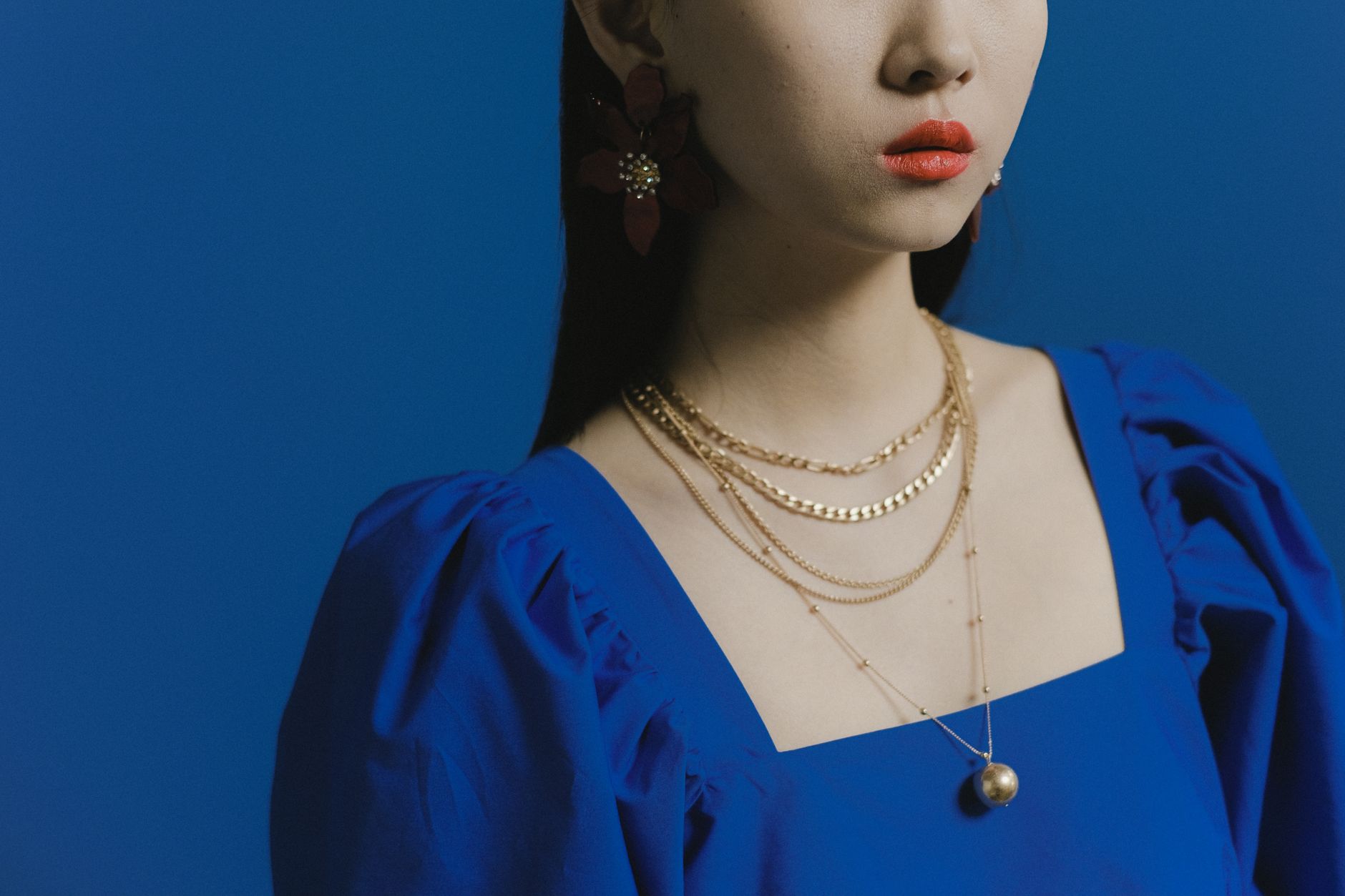
August 2026 evidence shows necklace makers emphasizing sculptural chains, adjustable lariats and marquise-set designs, while gem-lab guidance sharpens diamond and pearl checks. "Maker records" is not a standardized jewelry metric, so the reliable snapshot comes from makers' live disclosures—not a complete record of August launches. The practical takeaway is to separate visible design trends from verifiable material claims. Buyers should examine construction and wearability, then confirm important diamond or pearl descriptions through the appropriate laboratory documentation.
Table of Contents
- What do current maker disclosures show?
- Which features add practical value?
- What does GIA documentation establish?
- Why pearl terminology needs scrutiny
- A focused buying checklist
What do current maker disclosures show?
Gucci's High jewelry collection turns its Marina Chain motif into a double-chain pendant necklace with golden beryls and yellow sapphires. The design shows how a recognizable chain can become the central architecture rather than a simple support for stones, according to Gucci's collection disclosure. Jenny Bird offers another linked-metal approach with its new Nico Collar.
Individually linked spiral motifs in high-polish, silver-dipped brass create an oversized collar effect. Together, these examples point toward volume, repetition and visible metalwork. These pages are an August 27 snapshot, not dated evidence that every piece debuted during August. Readers should interpret "new" as currently presented by the maker unless a separate launch date is supplied.
Which features add practical value?
Mejuri's new Interconnected X Lariat necklace includes a sliding internal silicone stopper that holds its adjustable drop. This makes adjustability part of the physical mechanism, rather than a vague promise about styling versatility, as shown in Mejuri's product description.
Spinelli Kilcollin's current Wren collection includes the Valen and Vesta necklaces, both centered on marquise-cut diamonds. The long, pointed stone shape offers a distinct alternative to round-stone stations or conventional pendants. Before choosing a design, check:.
- Whether an adjustable necklace stays in position during normal movement.
- Whether a wide collar sits comfortably at the collarbone.
- Whether linked sections can catch hair or clothing.
- Whether pointed marquise settings expose vulnerable stone tips.
- Whether the listed metal is solid precious metal, plated metal or silver-dipped brass.
What does GIA documentation establish?
For loose colorless-to-near-colorless laboratory-grown diamonds of at least 0.15 carats, GIA provides a quality assessment that classifies stones as Premium or Standard. GIA also laser-inscribes "Laboratory-Grown" and an assessment number on the girdle, according to its laboratory-grown diamond service guidance. GIA's laboratory-grown colored-diamond reports also address growth type and post-growth treatment.
Those reports are digital-only. A seller's generic use of "certified" does not necessarily establish any of these specific findings. A GIA grading report independently confirms quality characteristics; it is not an appraisal or statement of monetary value. Buyers can compare the report details with GIA's Report Check database, but they may need a separate appraisal for insurance or valuation purposes.
Why pearl terminology needs scrutiny
Names such as "freshwater akoya," "Chinese akoya" and "baby akoya" can suggest saltwater Akoya pearls. GIA says these labels describe freshwater pearls, even when the pearls closely resemble Akoya in appearance, in its January 2026 pearl guidance. Visual similarity alone may not distinguish a freshwater strand from an Akoya strand.
For a significant pearl-necklace purchase, ask the seller to state the environment—freshwater or saltwater—in writing. A GIA pearl identification report can document whether pearls are natural or cultured, freshwater or saltwater, and identify the mollusk when determinable. It can also record detectable treatments, providing more useful evidence than an appearance-based trade label.
A focused buying checklist
Start with the product page, but do not stop there. Match each important sales claim to evidence designed to answer that specific question.
- Ask for the exact metal composition, including plating or dipping.
- Confirm stone type, natural or laboratory-grown origin, and any disclosed treatments.
- Match diamond report numbers through the issuing laboratory's database.
- Do not treat a grading report as a valuation.
- For pearls, request explicit freshwater or saltwater identification.