
How to Spot a Fake Gold Chain Necklace Before You Buy?

Hallmarks, magnets, density, and wear points — the counter-side checks that separate solid gold chains from plated base metal before you pay.
Hallmarks, magnets, density, and wear points — the counter-side checks that separate solid gold chains from plated base metal before you pay.
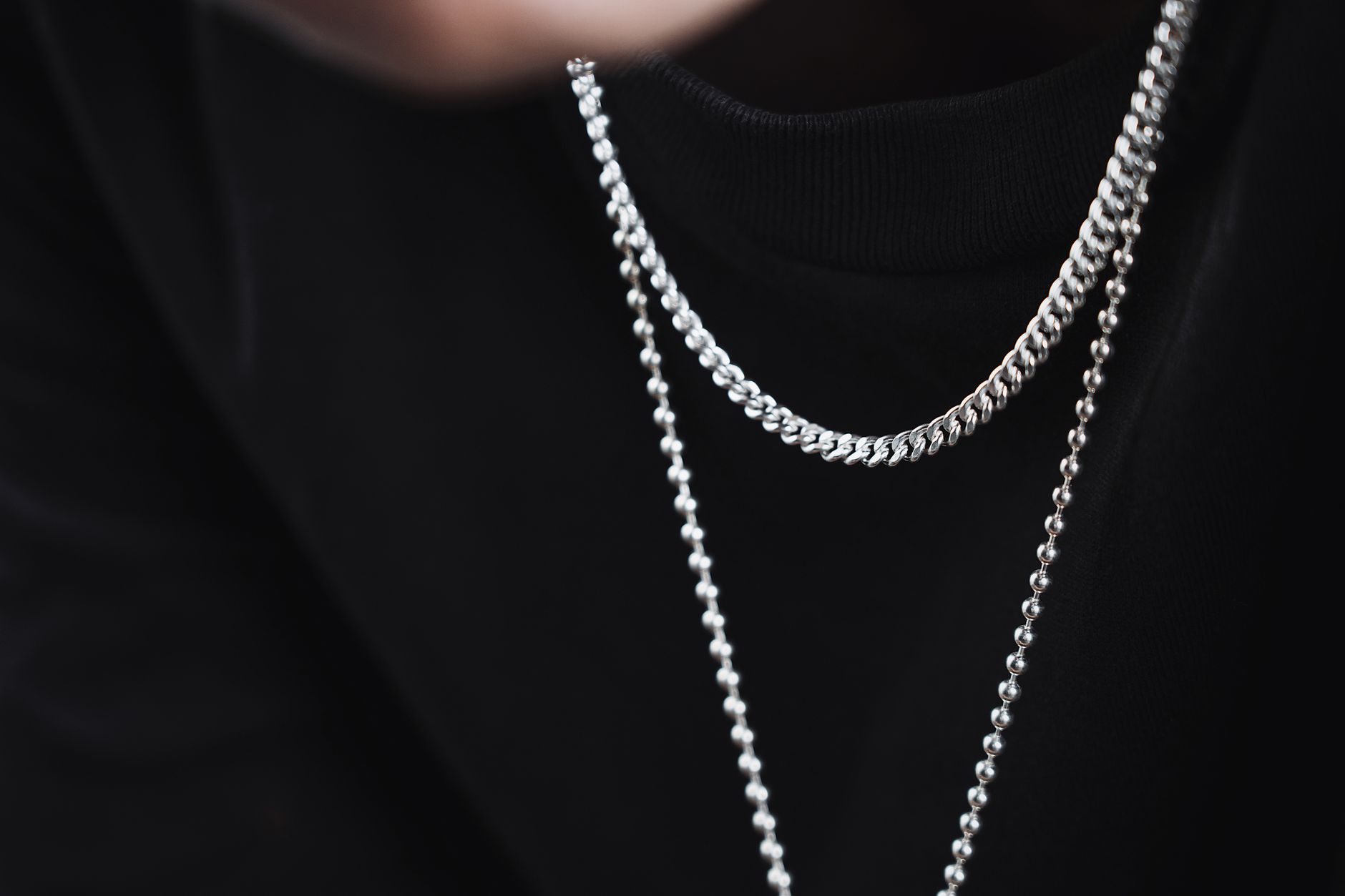
A clear-eyed comparison of curb and mariner link strength, plus the gauge, solder, and clasp details that decide which chain survives daily wear.
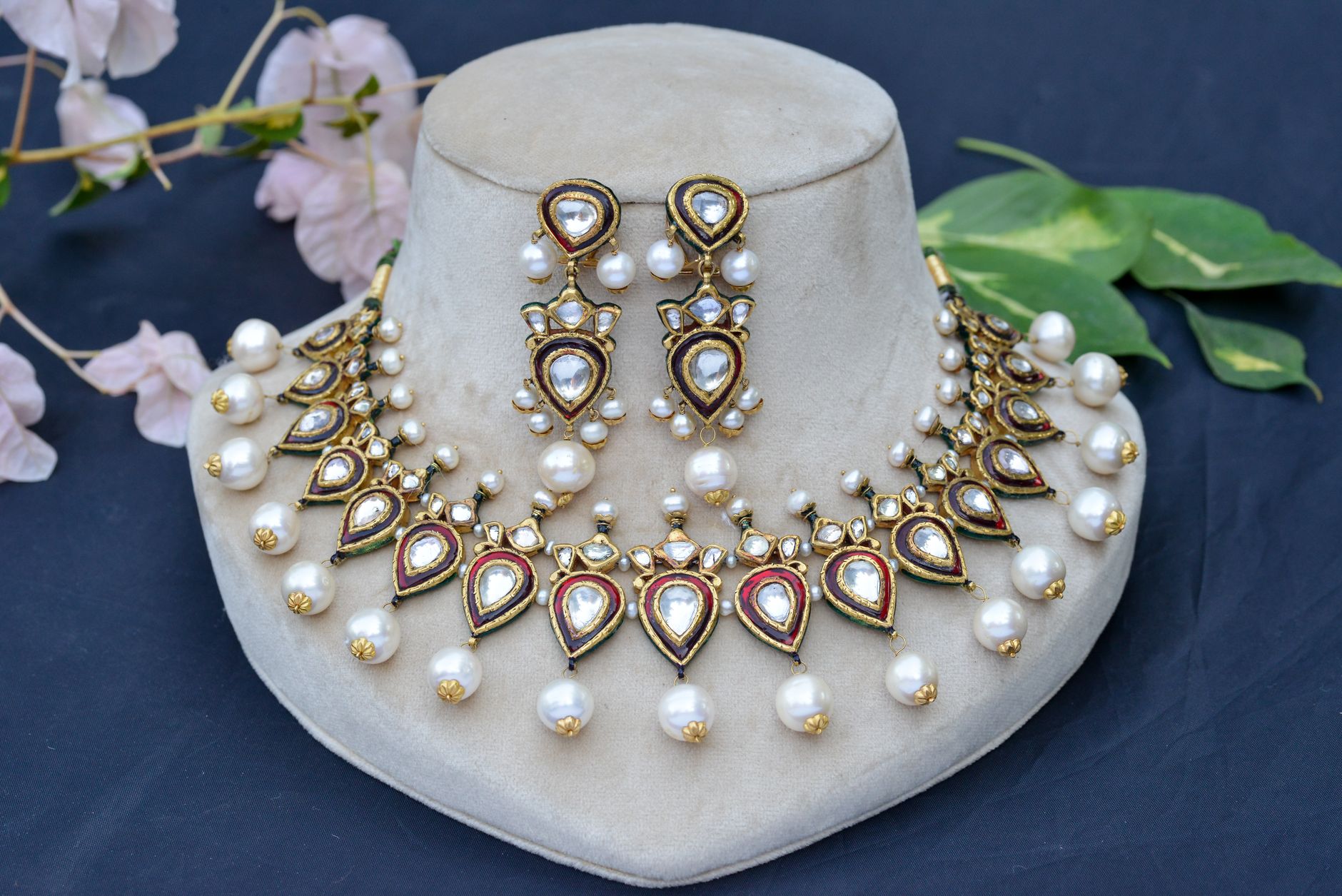
A measurement-first guide to choosing between a 14-16 inch choker and an 18 inch princess chain for the jacket you actually wear.

Melt, retail and resale prices for 14K gold diverge by hundreds of dollars per gram — here is the arithmetic and the November 2026 numbers behind each.
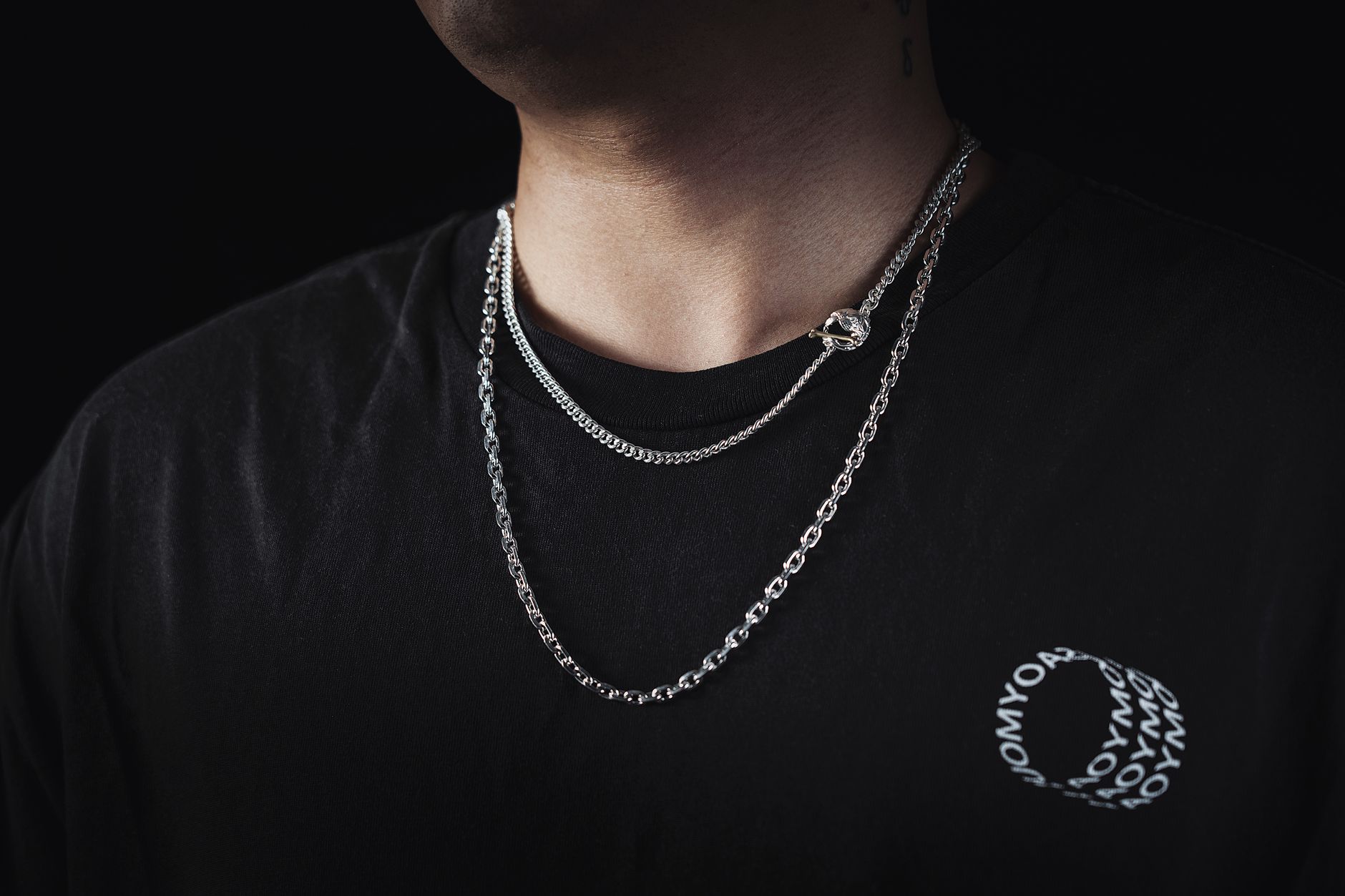
Why a 3mm solid rope outlasts a 5mm hollow one, and how karat, clasp and pendant weight change the gauge you need.

The four checks that decide an estate necklace’s value: karat stamp, matching hallmark set, stone report wording, and nickel-safe metal.

How to tell whether a 30% Swarovski necklace tag is a real deal, using the 40% tier, the SWA26 stacking code, and a 14-day return clock.

Why a 673-diamond, 200-carat historic necklace is likely to be dismantled, and what collectors should document before they ever lend a piece.

Compare the £600,000 necklace estimate with today’s £1.25 million set figure for smarter emerald buying.

Learn why flat herringbone links kink and how simple wearing and storage habits keep the chain smooth.