
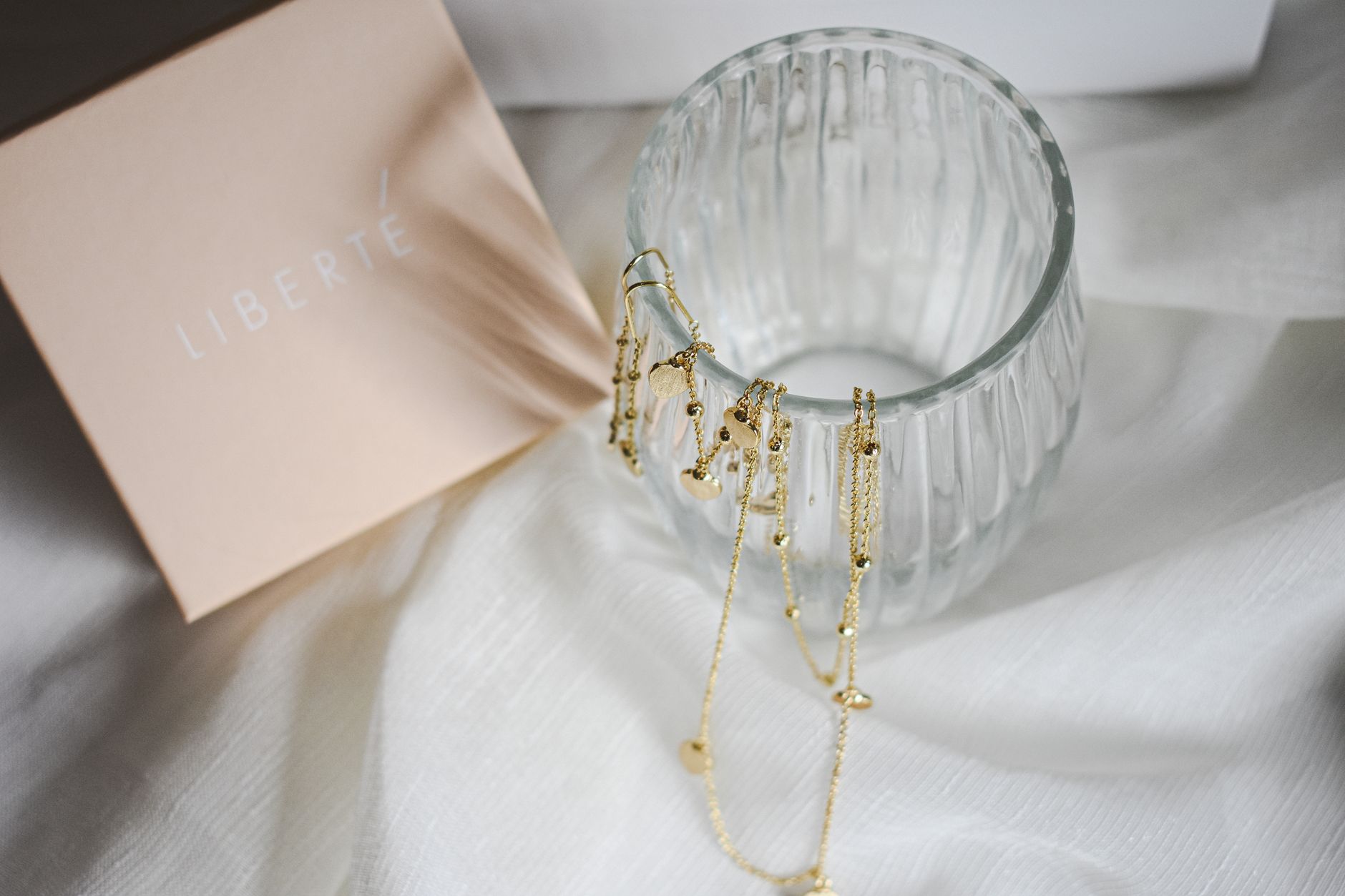
Yes, a gold vermeil necklace can tarnish and can appear to fade, but those are different changes. Tarnish is chemical discoloration; fading is physical wear that thins the gold layer and exposes the silver beneath. Gold vermeil is sterling silver covered with a comparatively substantial layer of gold. It offers a richer finish and longer potential life than thin flash plating, but it is not solid gold.
Table of Contents
- What Actually Changes on Gold Vermeil?
- Tarnish, Wear, or Surface Residue?
- What Makes a Vermeil Necklace Deteriorate Faster?
- What Should Buyers Check Before Purchasing?
- How to Preserve the Finish
What Actually Changes on Gold Vermeil?
gold itself resists tarnish, so an intact vermeil surface should stay bright longer than bare sterling silver. However, the gold alloy may contain other metals that react with moisture, sulfur compounds, sweat, or chemicals. The underlying silver can also darken where the coating is porous, scratched, or worn.
Tarnish often appears as gray, brown, or black discoloration around clasps, chain links, edges, and other exposed areas. Fading usually occurs through friction rather than light exposure. Repeated contact with skin, clothing, pendants, and fingers gradually removes gold from high-contact points, revealing cooler-toned silver.
Tarnish, Wear, or Surface Residue?
A dull necklace is not necessarily tarnished. Lotion, soap, perfume, sunscreen, and skin oils can leave a cloudy film that reduces shine without changing either metal.
Appearance provides useful clues, although it cannot confirm the cause with certainty: A soft, dry jewelry cloth can test for simple residue. Avoid vigorous rubbing: if the gold has already become thin, polishing may remove more of it.
- A smooth, cloudy film usually suggests product or oil buildup.
- Gray, brown, or black patches suggest tarnish.
- Pale silver areas on raised links or edges suggest worn gold.
- Flaking, bubbling, or widespread uneven color may indicate coating failure or poor workmanship.
What Makes a Vermeil Necklace Deteriorate Faster?
Daily wear exposes a necklace to sweat, salt, cosmetics, cleaning products, and constant movement. Exercise, sleeping, showering, and swimming add moisture and friction; chlorinated or salt water can be especially harsh. Storage conditions also matter. Humid air and sulfur-containing materials can encourage silver tarnish, particularly at worn spots.
Loose storage allows chains and pendants to rub against harder jewelry. Design affects longevity as much as care. Fine chains, moving links, clasps, and pendant contact points endure more abrasion than broad, protected surfaces. A frequently worn necklace may therefore lose color unevenly even when its overall coating was properly applied.
What Should Buyers Check Before Purchasing?
Ask the seller to confirm that the base is sterling silver, not brass or another base metal. A "925" mark supports a sterling-silver claim, but it does not establish the gold layer's thickness, quality, or authenticity by itself. Request the gold karat and coating thickness in writing.
Higher-karat gold provides a richer yellow color, but thickness, construction, friction, and wearing habits often matter more to service life than karat alone. Also check whether the seller offers inspection or replating. Vermeil is renewable rather than permanent: a jeweler can often clean the silver and apply a new gold layer, provided the chain and fittings remain structurally sound.
How to Preserve the Finish
Put the necklace on after perfume, lotion, hairspray, and sunscreen have dried. Remove it before exercise, bathing, swimming, sleeping, household cleaning, or any activity that makes the chain rub repeatedly. After wear, wipe it gently with a clean, soft, dry cloth.
Store it separately in a dry pouch or closed container, with the chain laid flat enough to prevent tangling and abrasion. Do not use silver dip, toothpaste, baking soda, abrasive polishing cloths, or an ultrasonic cleaner unless the maker specifically approves them. If cleaning does not remove dark areas, or silver shows through at contact points, request professional cleaning or replating instead of polishing harder.