
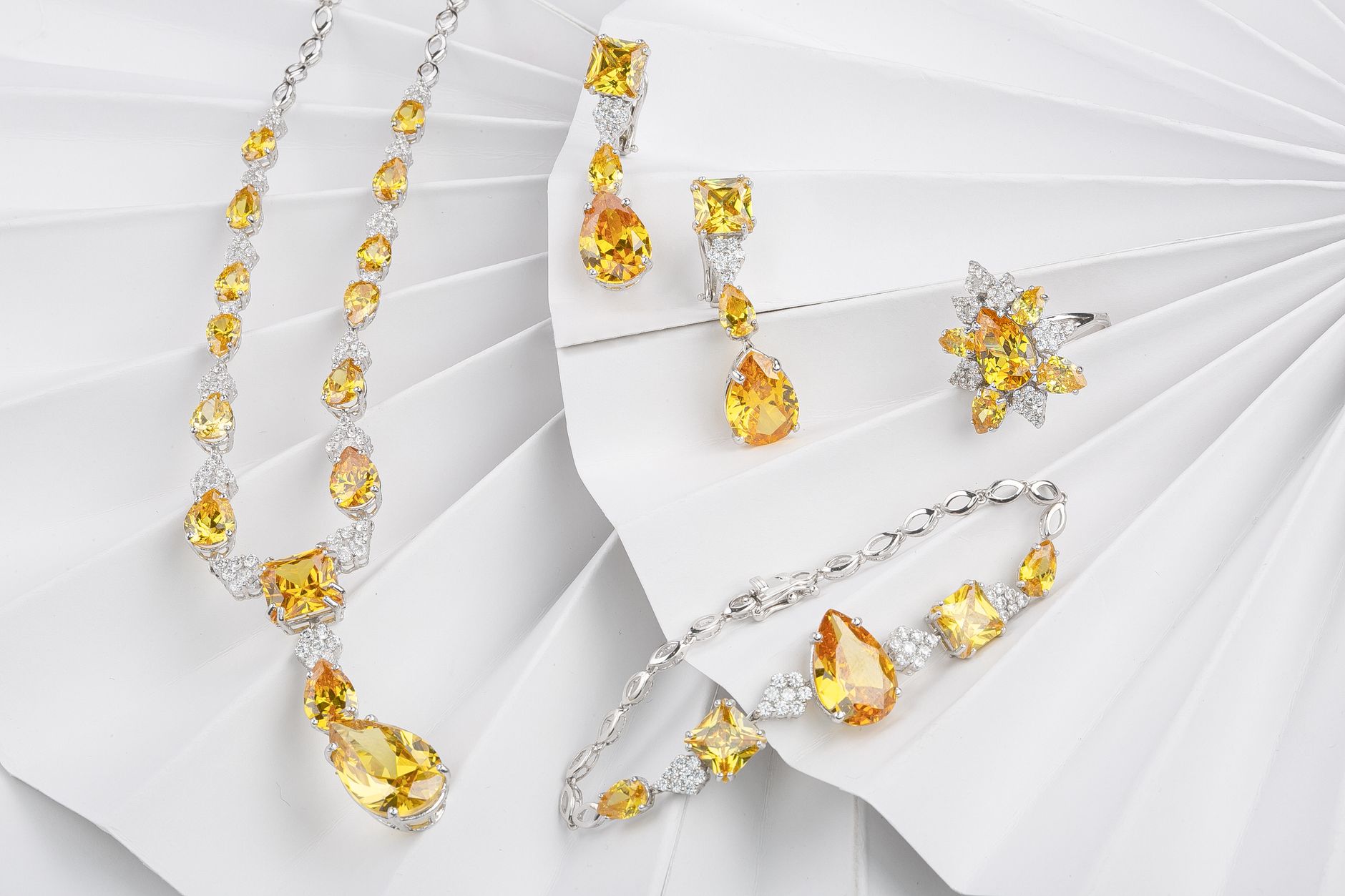
A gemstone that looks different from its photos may reflect lighting, camera processing, screen settings, or the stone's natural optical behavior. A large mismatch can also mean the seller used a representative image, edited the color heavily, or sent a different item. Do not treat color alone as proof that a stone is fake or treated. Document the difference promptly under controlled conditions, preserve the listing, and check the return period before seeking an appraisal.
Table of Contents
- Why lighting and screens change gemstone color
- When the stone itself changes appearance
- When the mismatch deserves closer scrutiny
- What to photograph for useful evidence
- How to decide what to do next
Why lighting and screens change gemstone color
A gemstone does not have one fixed appearance under every light. Daylight, warm household bulbs, cool LEDs, and jewelry-store spotlights contain different mixtures of wavelengths. A ruby may look vivid under one lamp and darker or more purple under another. Cameras add another layer.
Automatic white balance, exposure adjustments, high-dynamic-range processing, and "vivid" color modes can change hue and saturation. Sellers may also brighten shadows or reduce reflections to make a faceted stone easier to see. Your screen can widen the gap. High saturation, night mode, reduced blue light, and maximum brightness may make listing photos look warmer or richer than the physical stone. Compare the listing on a second, neutrally adjusted display before assuming the image is accurate.
When the stone itself changes appearance
Some gems genuinely shift color with the light source. Alexandrite and certain garnets are well-known examples, but the strength and direction of the change vary by stone. A seller's photograph may show the most favorable lighting rather than the appearance you will see most often. Pleochroism is the display of different colors when a gemstone is viewed from different directions.
It can be noticeable in gems such as tanzanite, iolite, tourmaline, and sapphire. The cut and mounting determine which direction faces upward, so a small change in angle can affect the visible color. Cut depth, windowing, inclusions, and the metal setting also matter. A deep stone may appear dark indoors, while a shallow "windowed" area can look pale. Yellow gold can add warmth near the edges; white metal and open-backed settings may produce a cooler appearance.
When the mismatch deserves closer scrutiny
Concern is reasonable when the stone remains materially different under several ordinary light sources. Examples include a listed blue gem that consistently appears green, a saturated stone that remains gray or nearly black, or color zoning absent from the advertised images. First determine whether the listing showed the exact item. Listings for natural gemstones sometimes use a sample photograph, even though individual stones vary in tone, saturation, zoning, and inclusions.
The listing should make that distinction clear enough for a buyer to understand what will arrive. Other warning signs include missing identifying features, different prong positions, changed measurements, or inclusions that do not match the photographs. Those differences may indicate an inventory error or substituted item. Color alone cannot establish gemstone identity, treatment status, or authenticity; those questions may require examination by an independent gemologist or laboratory.
What to photograph for useful evidence
Photograph the jewelry before removing tags, resizing it, cleaning it, or altering the setting. Keep the packaging, invoice, grading report, stock number, and screenshots of the full listing, including any statements about enhancement or representative images.
Capture a repeatable set of photographs: Turn off beauty filters, night mode, and color-enhancement settings where possible. Lock exposure and white balance if your camera permits it, then use the same settings for each comparison. A photograph taken beside the seller's image on a screen is useful context, but it is weaker evidence because the screen adds its own color distortion.
- Place the piece on a neutral gray or plain white surface, away from colored walls and clothing.
- Photograph it face-up in indirect daylight, avoiding direct sun and deep shade.
- Repeat the same view under a warm household lamp and a neutral or cool-white LED.
- Include one wider image showing the stone, light source, and surrounding setup.
- Take close-ups from directly above, at about 45 degrees, and from the side.
How to decide what to do next
Review the photographs across several light sources rather than selecting only the frame that looks best or worst. If the mismatch appears only under one lamp, optical behavior or lighting is the likelier explanation. If it persists across daylight and multiple indoor lights, compare identifying details and notify the seller in writing.
Describe observable differences instead of alleging fraud: for example, "The stone appears dark green in indirect daylight and two indoor lights, while the listing shows medium blue." Attach representative original images and ask whether the listing depicted the exact stone, what lighting was used, and what return procedure applies. For a valuable piece, an independent examination can address questions that photographs cannot. Keep the jewelry unaltered until return rights are clear, because resizing, polishing, stone removal, or damaged tags may complicate a return.