
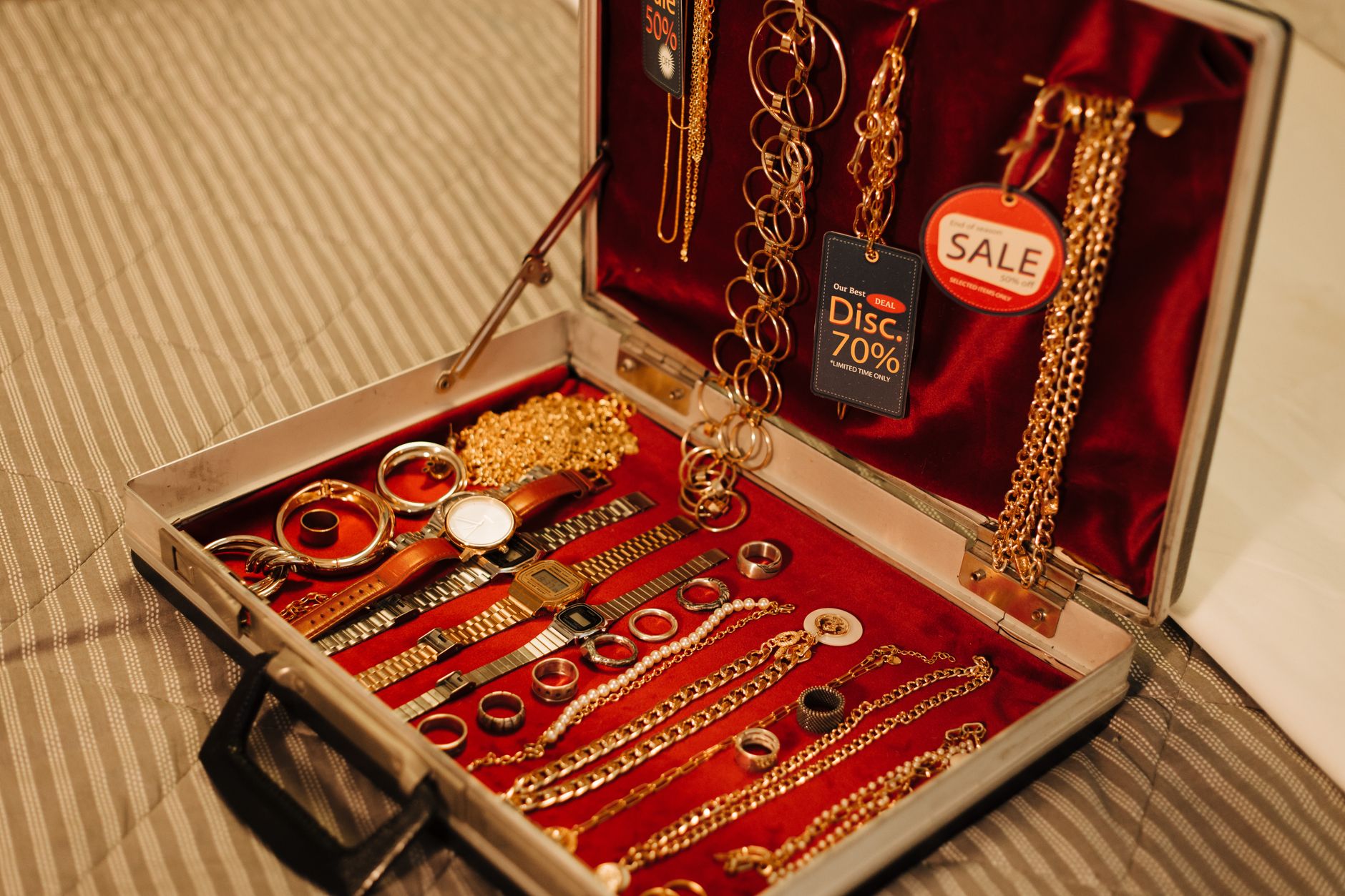
Clean a luxury watch with a soft, dry microfiber cloth using light pressure. For light soil, use a cloth barely dampened with plain water, then dry the watch fully right away. The finish means the visible outer surface, including mirror polish, brushed grain, gold plating, or a dark coating. Each type shows scratches, chemicals, and rubbing differently, so gentle handling matters more than strong cleaners.
Table of Contents
- Why luxury finishes mark so easily
- What is a safe routine cleaning?
- Which products and habits cause damage?
- How do materials change the approach?
- When should you stop and get service?
Why luxury finishes mark so easily
High-polish gold, stainless steel, and platinum scratch from dust, shirt cuffs, and hard cloths. The marks are usually fine hairlines, but they scatter light and dull the shine.
Brushed surfaces use very fine parallel lines to control reflection. Rubbing across the grain, even lightly, can leave a visible bright spot. Coated or blackened finishes are thinner than they look and may wear first on case edges and bracelet links.
What is a safe routine cleaning?
Dust removal does most of the work. Wipe the case, crystal, bracelet, and case back with a clean dry microfiber cloth.
Use a soft dry brush, such as a clean makeup brush, around lugs, bezel edges, and bracelet links. For fingerprints or perspiration, follow these careful steps: Keep water away from the crown, pushers, leather straps, and any opening. If moisture remains in a recess, let the watch air-dry face-up before wearing or storing it.
- Wash and dry your hands, then work over a soft towel.
- Dampen one corner of the cloth with plain water only.
- Wipe the metal lightly without pressing into crevices.
- Dry every surface immediately with a separate dry section.
Which products and habits cause damage?
Avoid household cleaners, alcohol wipes, vinegar, baking soda, toothpaste, and jewelry dips. They can strip coatings, dull polish, discolor gold alloys, and dry out gaskets or leather.
Also avoid paper towels, tissues, shirt sleeves, abrasive pads, and stiff brushes. Keep the watch away from perfume, sunscreen, insect repellent, chlorine pools, and salt spray, then rinse away accidental exposure with a barely damp cloth followed by drying.
How do materials change the approach?
Solid stainless steel and solid gold tolerate brief damp wiping better than plated or coated watches. Plated, gilt, bronze-toned, and black finishes need dry-only care whenever possible because repeated rubbing thins the surface layer.
Leather, suede, nubuck, and fabric straps should not be wetted to clean the watch. Wipe the metal near the strap carefully, clean the strap separately according to its material, and replace a cracked or stretched leather strap rather than soaking it.
When should you stop and get service?
Stop if you see flaking coating, loose markers, a fogged crystal, a stiff crown, or water inside the case. Do not open the case, tighten screws, polish out a deep scratch, or test water resistance at home.
A watchmaker can check seals, clean the bracelet properly, and refinish metal without rounding edges or removing engraving. Take watches with limited water resistance, vintage pieces, heirloom jewelry watches, and complications for professional care sooner.