
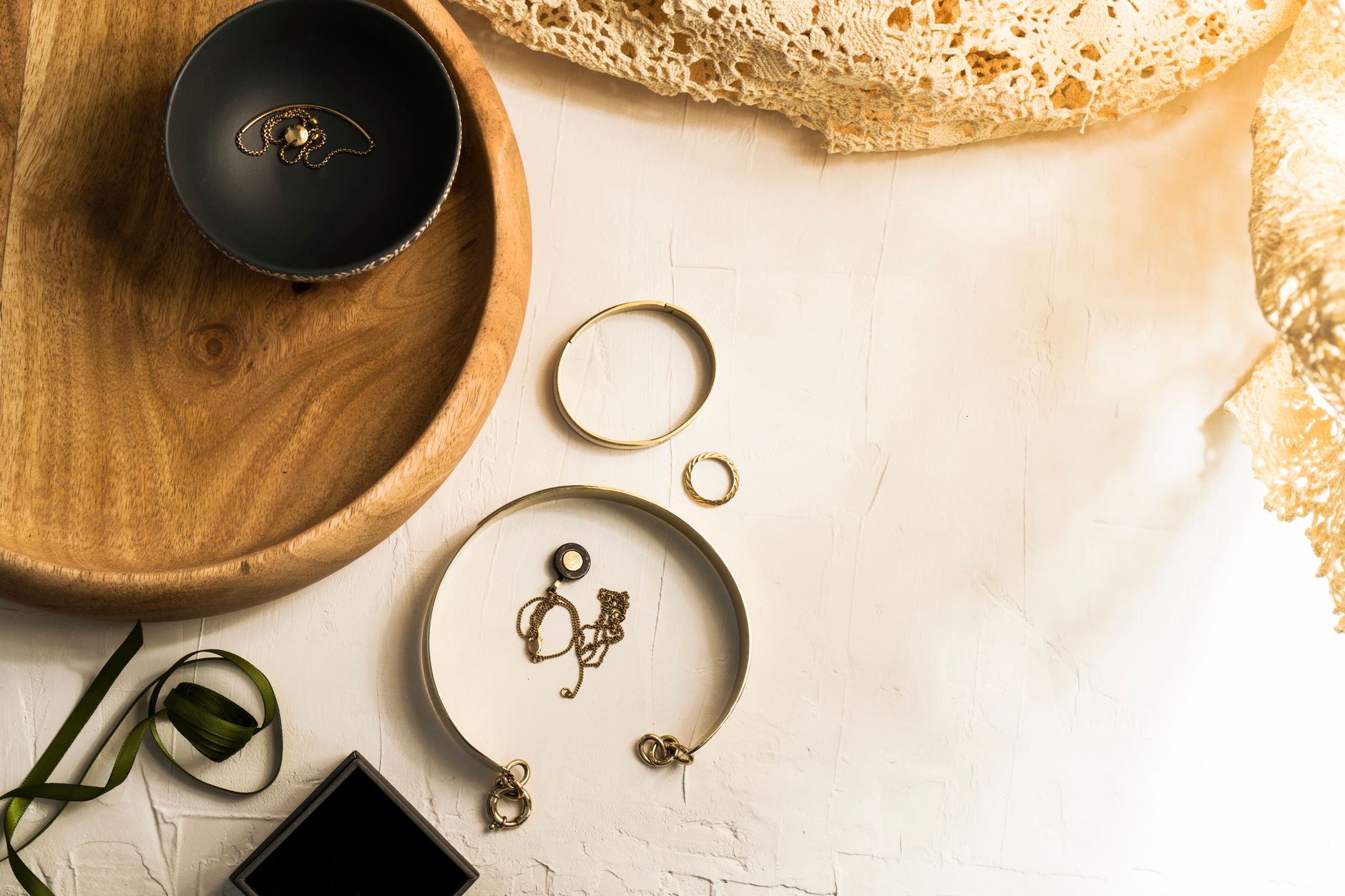
Clean a tarnished silver ring with warm water, a drop of mild dish soap, and a soft cotton cloth, then rinse and pat dry. For remaining dark film, rub lightly with a paste of baking soda and water or a polish made for silver, then rinse again. Tarnish is a thin dark layer that forms when silver reacts with sulfur in air, sweat, and everyday products. It dulls shine but does not mean the metal is ruined, and gentle cleaning preserves polished surfaces and intentional dark detailing.
Table of Contents
- Why does silver tarnish?
- What is the safest routine clean?
- How do special finishes change cleaning?
- What should you avoid?
- How can you slow future tarnish?
Why does silver tarnish?
Sterling silver is an alloy containing 92.5% silver, usually mixed with copper for strength. Both metals react with sulfur compounds in air, moisture, perspiration, wool, rubber bands, and foods such as eggs and onions. The result is silver sulfide, a yellow-to-black film that starts in recesses and spreads.
Humidity, heat, and poor airflow speed the change. A ring left in a bathroom, near a hot tub, or in a sealed leather box often darkens faster. Frequent wear can actually slow tarnish on raised areas because light friction keeps them bright.
What is the safest routine clean?
Start with the mildest method, especially for high-polish rings without stones. Soap and water remove oils and light tarnish without thinning the metal or dulling sharp engraving. Save pastes and polishes for dull patches that remain.
Work in good light and use little pressure. If the cloth shows gray-black residue, that is normal tarnish transfer. Repeat once rather than scrubbing harder.
- Mix warm, not hot, water with a small drop of mild dish soap.
- Soak the ring for one to two minutes, then rub gently with a soft cotton cloth or soft toothbrush only on plain metal.
- Rinse under clean warm water and remove all soap from settings and grooves.
- Pat dry with a lint-free cloth, then air-dry fully before storing.
How do special finishes change cleaning?
Many silver rings have finishes that look dark on purpose. Oxidized, antiqued, and blackened details sit in grooves to highlight patterns, letters, and filigree. Strong polish, baking soda, and dips remove that contrast along with tarnish, so clean raised areas only and leave recesses alone. Plated, brushed, matte, and hammered surfaces also need restraint.
A silver polishing cloth is usually safer than cream or paste because it cleans with less abrasion. Rub in the direction of the grain on brushed metal, and stop when brightness returns. Stones, pearls, enamel, wood inlay, and glued accents limit water and chemicals. Keep porous stones, pearls, opals, turquoise, coral, and enamel away from soaks and silver cleaners. Clean around them with a barely damp cloth, then dry promptly.
What should you avoid?
Avoid toothpaste, baking powder with added ingredients, stiff brushes, paper towels, and powdered household cleaners. They contain abrasives that leave fine scratches and turn a mirror polish cloudy. Bleach, ammonia, acetone, and vinegar soaks can pit silver, loosen glue, and harm many gems. Use aluminum-foil and hot baking-soda baths and liquid silver dips with caution.
They work quickly, but they can strip intentional oxidation, soften bright detail, and leave an uneven white cast. They are a poor choice for antique-style rings, thin plating, and stone-set pieces. Test any polish on the inside of the band first. Choose a product labeled for silver jewelry, follow its timing exactly, and rinse thoroughly. Discard gritty cloths and old brushes that may carry hard particles.
How can you slow future tarnish?
Wear often, store dry, and keep silver away from chemicals. Put rings on after lotion, perfume, hairspray, sunscreen, and cleaning products, and remove them for swimming, hot tubs, workouts, and heavy cleaning. Rinse off sweat and dry the ring after wear.
Store each ring separately in a small zip pouch or lined box with low humidity. An anti-tarnish strip or plain silica packet in the storage space helps absorb moisture and sulfur. Wipe the ring with a clean, dry soft cloth before putting it away.