
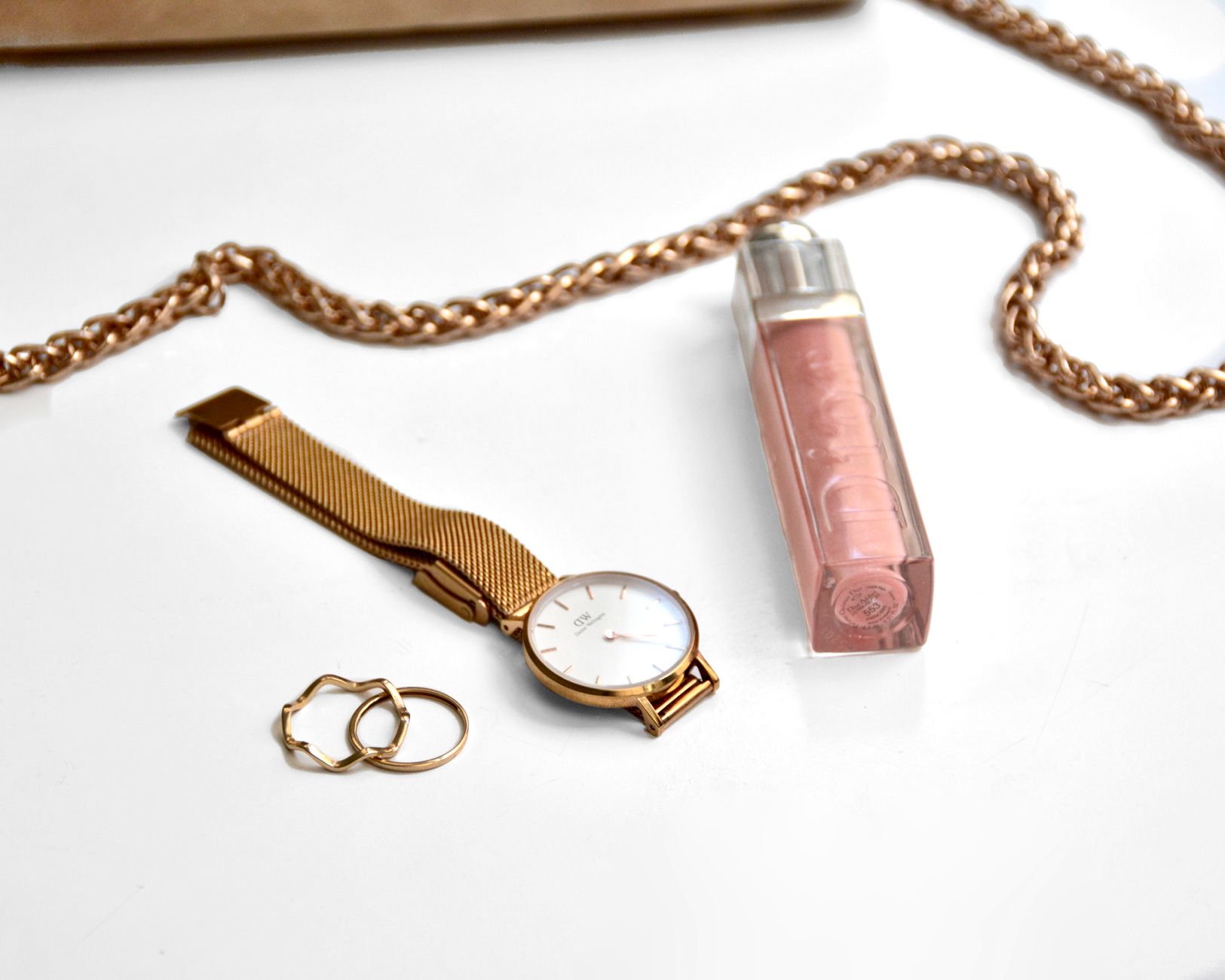
Clean a gold ring by soaking it in warm water with a few drops of mild dish soap, then brushing gently and rinsing. The setting, the metal structure that grips the center stone or accents, stays secure when you use soft tools and avoid harsh chemicals.
Gold collects lotion, soap film, and skin oils in small crevices. That buildup dulls shine and makes stones look dark. Gentle home cleaning removes most film without loosening prongs or scratching metal.
Table of Contents
- What is the gentlest cleaning routine?
- What can harm gold and settings?
- How do you clean around stones and detail?
- When should a jeweler handle it?
What is the gentlest cleaning routine?
Mix a small bowl of warm water with two or three drops of plain dish soap. Soak the ring for 15 to 20 minutes to loosen residue.
Rinse under warm running water with the sink plugged or a strainer in place. Blot dry with a soft, lint-free cloth, then let the ring air-dry fully.
- Lift the ring and brush lightly with a soft baby toothbrush.
- Pay attention to the back of the stone, where light enters.
- Use short, light strokes around prongs instead of scrubbing across them.
What can harm gold and settings?
Keep bleach, chlorine, and harsh bathroom cleaners away from gold rings. These chemicals can discolor gold alloys and weaken delicate prongs over time. Skip toothpaste, baking soda paste, and scouring powder.
Those abrasives scratch polished gold and leave tiny grooves that trap dirt. Also avoid stiff brushes, paper towels, and tissue, which can leave fine scratches. Remove your ring before swimming, heavy cleaning, and rough sports. A hard knock can bend a prong just enough to loosen a stone.
How do you clean around stones and detail?
Dirt hides where the stone meets metal, especially behind the center stone and between prongs. Brush those areas lightly from several angles rather than digging with a point. Light pressure cleans better than force around thin metal. Rings with pavé, many small stones set close together with tiny beads of metal, need extra care.
Do not pick at them with toothpicks, needles, or dental tools. If one small stone looks dark or missing, stop and save any loose stone in a small container. Pearls, opals, and emeralds scratch or absorb liquids more easily than diamonds and sapphires. For those rings, use only a brief soak, minimal soap, and no rubbing on the soft stone. When in doubt, clean the gold band only and ask a jeweler about the stone.
When should a jeweler handle it?
Check the ring before cleaning by shaking it gently near your ear and looking at each prong. A faint rattle, a stone that catches cloth, or a prong that looks bent, flat, or hooked means the setting needs attention. Leave ultrasonic and steam cleaning to a jeweler who has checked the setting first.
Those machines can shake a loose stone free, especially in older mountings or pavé work. A professional can also remove compacted grime behind the stone without thinning the metal. Bring the ring in if cleaning does not restore sparkle or if buildup stays trapped. If a stone rattles or a prong snags fabric, stop wearing the ring and take it in promptly.