
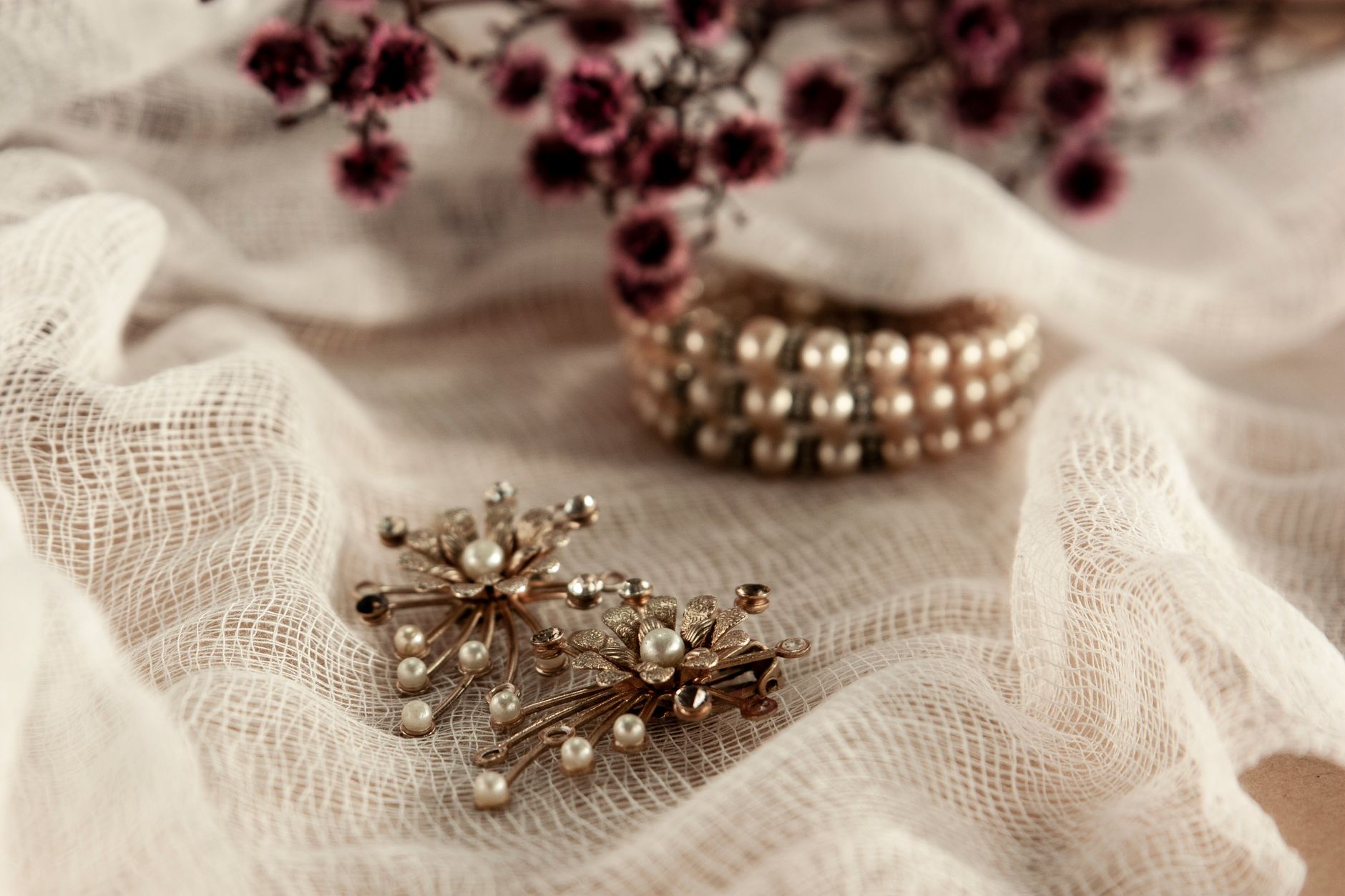
Yes, you can clean inherited jewelry before an appraisal, but keep the cleaning light and non-abrasive. An appraisal is a professional opinion of identity, quality, and value, and surface dirt can hide details the appraiser needs to see.
Gentle cleaning helps diamonds, gold, and platinum look clearer without changing the piece. Harsh polishing or repair can remove character and evidence of age. When in doubt, leave heavy tarnish alone and let the appraiser see the piece as found.
Table of Contents
- Why Does Light Dirt Matter?
- When Should You Leave Tarnish Alone?
- What Home Cleaning Is Safe?
- What Should You Bring to the Appraisal?
Why Does Light Dirt Matter?
Dust, skin oils, and soap film dull diamonds and colored stones. They also hide small chips, loose prongs, and hallmarks inside bands. An appraiser checks metal marks, weight, construction, and stone quality.
A clearer surface makes those observations faster and more reliable. Cleaning does not raise intrinsic value. It only reveals what is already there.
When Should You Leave Tarnish Alone?
Leave heavy tarnish, dark grooves, and antique finishes alone. That surface, often called patina, helps show age and original workmanship. This matters most for Victorian pieces, Art Deco pieces, oxidized silver, and engraved details.
Strong polishing can soften sharp edges and reduce contrast in the design. Pause if stones look glued, loose, cracked, or wobbly in their settings. Pearls, opals, emeralds, enamel, and cameos are easily damaged by water and rubbing.
What Home Cleaning Is Safe?
For sturdy gold, platinum, and diamond pieces, use only lukewarm water, a drop of mild dish soap, and a very soft brush. Stop if color rubs off, stones move, or metal looks flaking.
Avoid toothpaste, baking soda, bleach, silver dip, and ultrasonic cleaners. They can scratch metal, loosen stones, and strip antique finishes.
- Mix lukewarm water with a small drop of mild dish soap
- Soak for a few minutes if the piece feels sturdy
- Brush gently under clasps and around prongs, not over fragile stones
- Rinse in clean water over a plugged sink or bowl
- Pat dry with a soft, lint-free cloth
What Should You Bring to the Appraisal?
Bring boxes, receipts, old appraisals, family notes, and clear photos of the prior owner wearing the piece. Tell the appraiser what you cleaned and what you left alone. Ask for no polishing, plating, sizing, or stone tightening before the examination.
Repairs are easier to judge after the original condition is recorded. Keep each item in a separate soft pouch to prevent scratching. Bring written notes about who owned each piece and any known repairs.