
For August 2026, the safest jewelry-cleaning default is warm water, mild dish soap, and a soft brush—but only for suitable pieces. Pearls, treated gems, and fragile settings may require gentler care and should often avoid ultrasonic or steam cleaning. Routine jewelry care includes cleaning, limiting chemical exposure, storing pieces separately, and checking settings for wear. The correct method depends on the gem, any treatments, and the condition of its prongs, clasps, and joinings.
Table of Contents
- How should most colored-gem jewelry be cleaned?
- When is an ultrasonic cleaner unsafe?
- What special care do pearls need?
- Which everyday products can damage jewelry?
- How should jewelry be stored and inspected?
How should most colored-gem jewelry be cleaned?
The Gemological Institute of America says most colored-gem jewelry can be cleaned with warm water, mild dish soap, and a soft brush. This is a sensible home-cleaning method when the gem and treatment are known to tolerate it.
Rinsing in a glass reduces the chance of losing a loose stone down the drain. If a gem shifts, a clasp fails, or a prong appears damaged, stop cleaning and set the piece aside for inspection.
- Mix warm water with a small amount of mild dish soap.
- Clean gently with a soft brush.
- Rinse the piece in a glass of clean water.
- Keep the sink drain closed as an additional precaution.
When is an ultrasonic cleaner unsafe?
An ultrasonic cleaner uses rapid vibration to dislodge dirt. That vibration can also loosen stones, chip gems whose girdles touch, or damage certain treatments. gia advises against ultrasonic cleaning for fracture-filled, coated, oil-filled, resin-filled, glass-filled, organic, or temperature-sensitive gems.
Its guidance also notes that some heat-treated gems and fragile settings can be harmed by ultrasonic cleaning. Steam and solvents can also affect treated colored stones. If you do not know whether a gem has been treated, do not assume a powerful cleaner is safe; identify the gem and any detectable treatment first.
What special care do pearls need?
Pearls are especially delicate because they measure only 2.5 on the Mohs hardness scale. Acids, cosmetics, perfume, perspiration, high heat, and dehydration can damage their surface, cause discoloration, or contribute to cracking. According to GIA's pearl care and cleaning guidance, cultured pearls should never go into ultrasonic or steam cleaners.
Wipe them with a very soft, clean cloth after each wear and use warm soapy water only occasionally. If the pearls are strung, let the string dry completely before wearing them again. Putting on a damp strand may leave moisture trapped along the string and between the pearls.
Which everyday products can damage jewelry?
Household cleaners, chlorine, cosmetics, perfume, and hairspray can damage or discolor precious metals and some gems. GIA specifically warns that chlorine bleach can pit or otherwise damage gold alloys.
A practical exposure routine is simple: These precautions matter even when a stone itself is durable. The metal alloy, surface coating, gem treatment, or string may be less resistant than the main gem.
- Remove fine jewelry before swimming in a chlorinated pool.
- Take it off before using household cleaners.
- Apply perfume, cosmetics, and hairspray before putting jewelry on.
- Wipe pearls after wear to remove perspiration and product residue.
How should jewelry be stored and inspected?
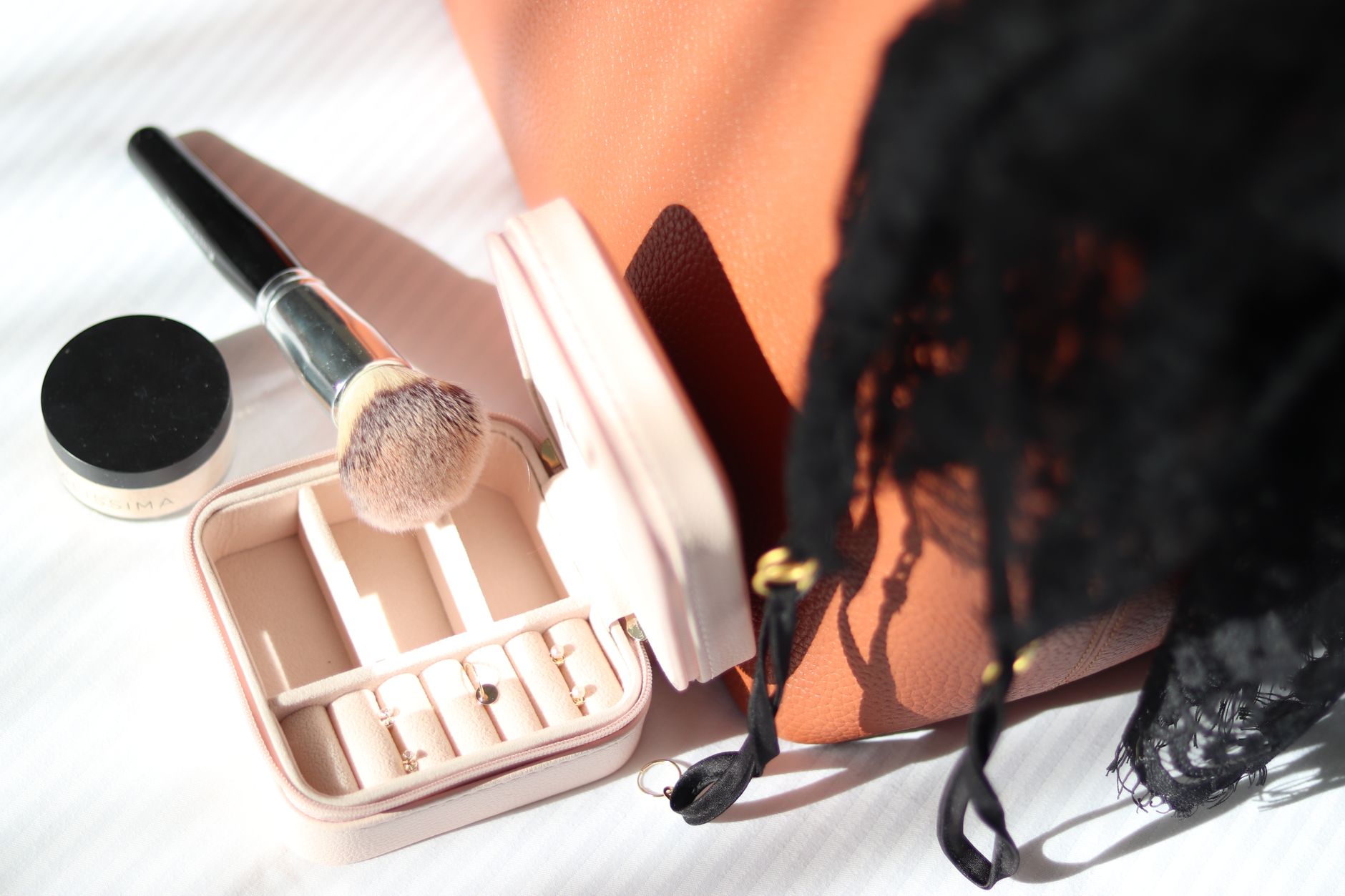
Store pieces separately in their original boxes or pouches, or in another lined container. Loose storage allows jewelry to rub together and develop scratches; sterling silver particularly benefits from an anti-tarnish bag or cloth. Impacts and snags can loosen prongs, clasps, and joinings without immediately causing complete failure.
Check frequently worn pieces after a noticeable strike or snag, and avoid wearing anything with a moving stone or unreliable clasp. Inspection timing depends on wear. GIA advises a jewelry check about every six months, while Tiffany recommends professional cleaning as often as annually, depending on use. A heavily worn ring may need attention sooner than a piece kept mostly in its box.