
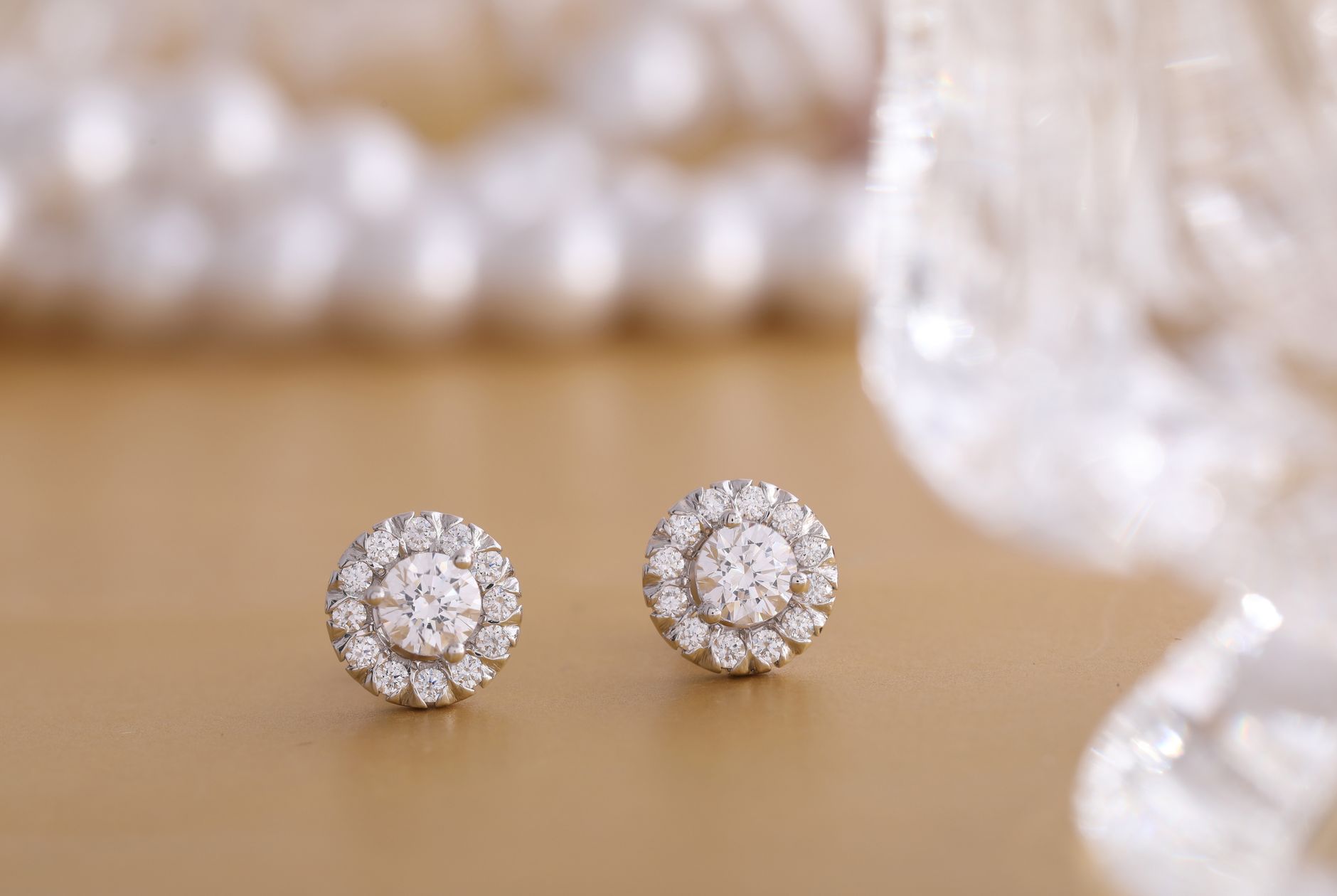
Jewelers price a diamond engagement ring from the center diamond first, then add the setting, metal and retail margin. They judge the diamond on the 4Cs — cut, color, clarity and carat weight — and rarer grades cost more.
Cut describes shape and light return. Color measures lack of color, clarity measures freedom from flaws, and carat weight measures size. Scarce combinations, such as large, colorless, high-clarity stones, command the highest prices.
Table of Contents
- What makes one diamond cost more than another?
- Why does a small size change move the price so much?
- Where does the rest of the ring price come from?
- How can shoppers check a price and avoid overpaying?
- Should you consider lab-grown for the same look?
What makes one diamond cost more than another?
Jewelers start with the grading system created by the Gemological Institute of America in the 1950s. According to the Gemological Institute of America, rarer grades cost more because large colorless high-clarity stones are scarcer, as explained on GIA's Diamond Quality Factors page. A better cut can increase brilliance and value without changing weight.
A step up in color or clarity also raises price because fewer mined stones reach that level. Shoppers can lower cost by choosing a slightly lower grade in a trait they notice least. A well-cut stone near the top of its color range often looks bright while costing less than the rarest grade.
Why does a small size change move the price so much?
Diamond prices rise faster than weight alone. According to CaratYes, a 2.0-carat natural stone typically costs three to four times a comparable 1.0-carat stone, as shown in its CaratYes ring-price breakdown. The same jump appears at popular thresholds.
That source reports a 1.00-carat stone costs 10–15% more than an otherwise identical 0.95-carat stone. Buyers can save by buying just under a whole or half carat. The visual size difference is small, but the per-carat rate drops.
Where does the rest of the ring price come from?
The center stone dominates the ticket. It typically forms 75–85% of a solitaire price and 60–70% in halo or three-stone designs. Setting and metal make up a smaller share, usually 10–25%, with retailer margin as the remainder.
Metal cost reflects weight and daily spot price, plus bench time. A 2026 guide lists 14K gold metal at $300–$1,200 or more and platinum at $1,000–$2,000 or more. Stone-setting labor runs $50–$400 or more by stone count and style.
How can shoppers check a price and avoid overpaying?
Wholesale jewelers price natural round diamonds against the Rapaport Price List. Published weekly since 1978, it lists dollars per carat by color, clarity and weight. Dealers quote real offers as a discount or premium to that list, such as Rap minus 35%.
The list tracks asking prices for round brilliants in D–H colors and IF–VS2 clarities, so it is only a benchmark. Fancy shapes, mounted stones and negotiated discounts differ from the list. Ask for an independent grading report to verify the offered grade before paying.
Should you consider lab-grown for the same look?
Buyers choosing lab-grown over natural pay far less for the same grades. According to TheDiamondPrice Team, the median 1-carat lab-grown price was $716 versus $3,940 natural, or 81.8% less, as reported in TheDiamondPrice natural-versus-lab comparison. Discounts widen at larger sizes.
That gap lets a buyer get a larger graded stone for the same budget. The trade is resale and perception, not daily appearance. Decide whether long-term value or initial size matters more, then compare identical grades across natural and lab-grown offers.