
How Can You Tell a Ring Is Lab-Grown Diamond Instead of Natural?

A lab report and laser inscription settle the question; no loupe check or diamond tester alone can confirm a stone’s origin.
A lab report and laser inscription settle the question; no loupe check or diamond tester alone can confirm a stone’s origin.

Carved in versus carved up: how depth direction separates a working signet ring from a purely decorative portrait piece.

Ceylon no-heat sapphire rings price per carat, not a flat number, and carat weight alone can multiply the total several times over.
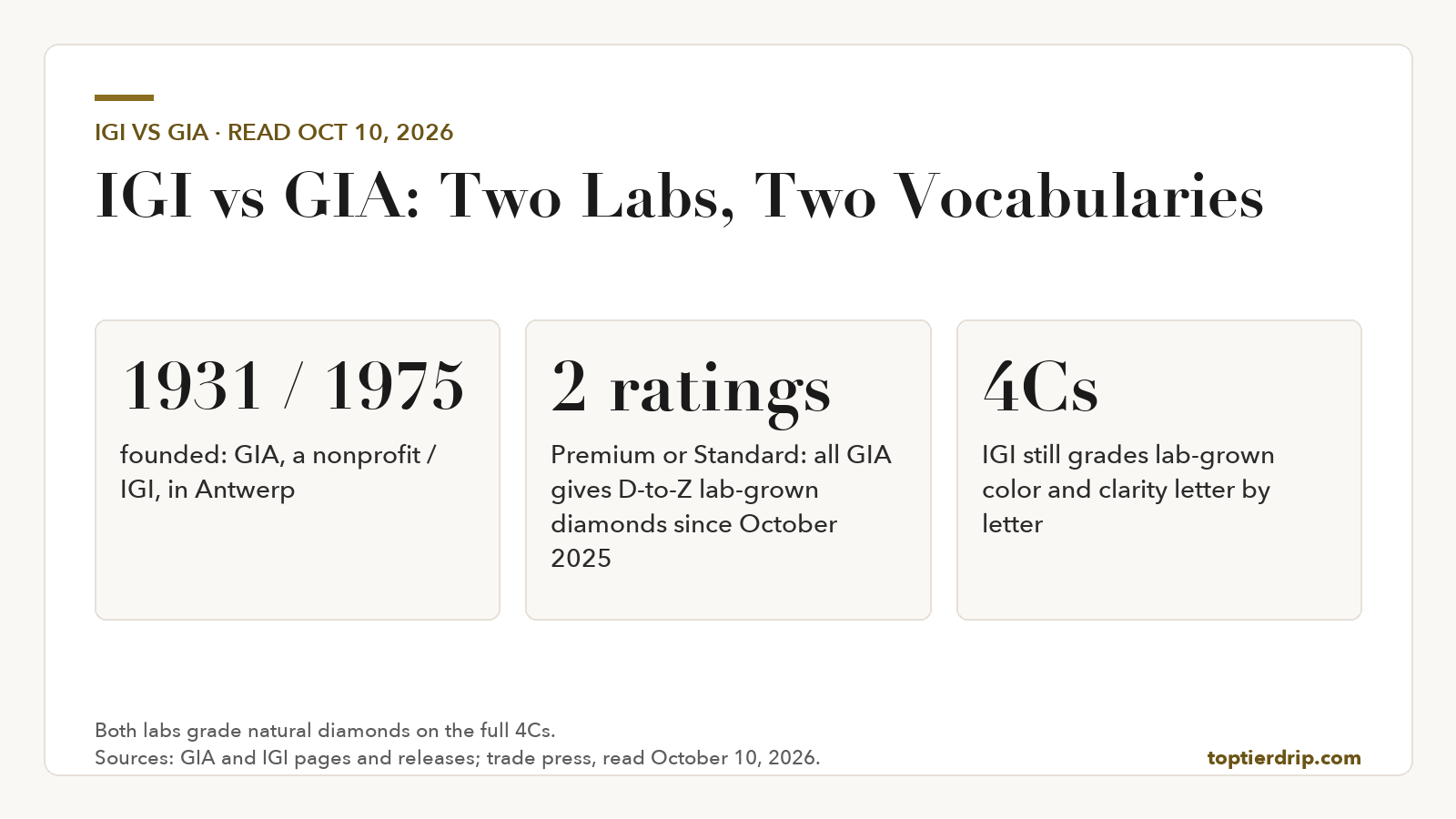
GIA and IGI both grade natural diamonds on the 4Cs, but they now part ways on lab-grown stones: GIA issues only Premium or Standard, IGI keeps letter grades. Who runs each lab, what their reports say, how to verify a report number, and what a report does not promise.
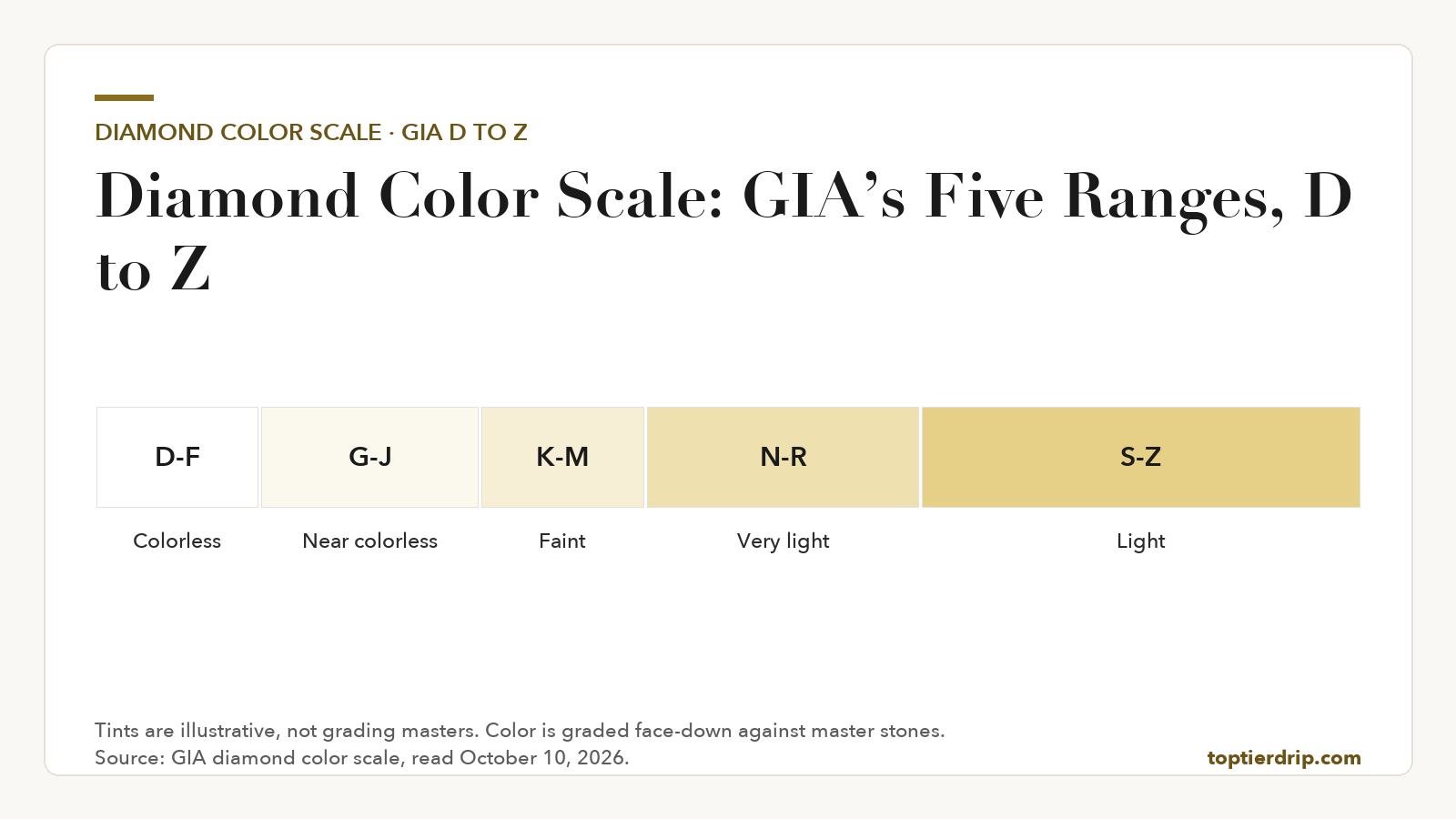
GIA’s D-to-Z diamond color scale has 23 letter grades in five ranges, from colorless D to lightly tinted Z. See how labs grade color face-down against masterstones, why one grade is hard to spot, how the metal changes the look, and where fluorescence, fancy colors and lab-grown stones fit.
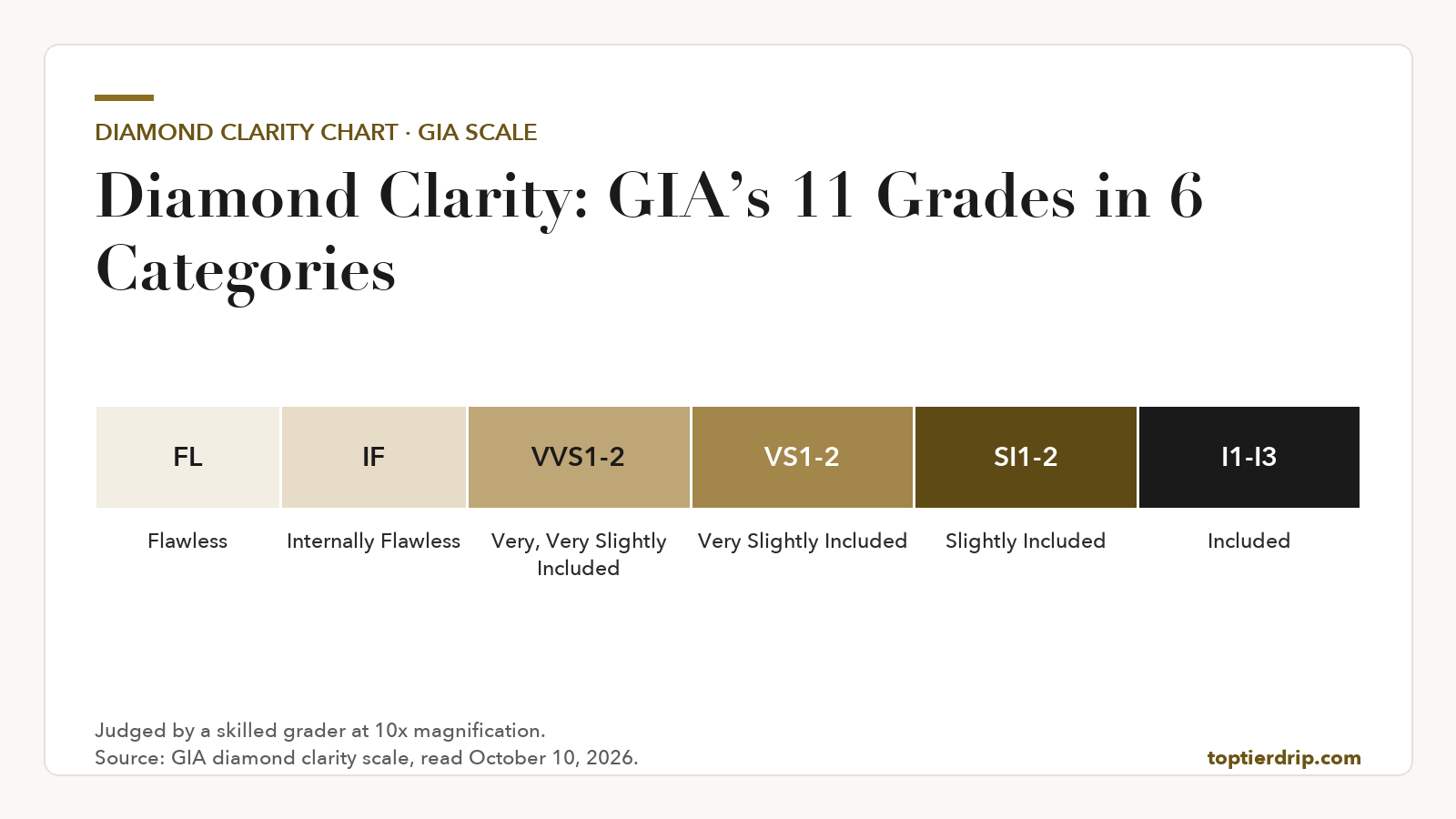
GIA grades diamond clarity on 11 steps, from Flawless to I3, judged at 10x magnification. Here is the full chart, the inclusions graders look for, what eye-clean really means, the FTC rules on calling a stone flawless, clarity treatments, and how lab-grown diamonds are described now.

Learn how to locate a ring snag, protect delicate knits, and recognize when the setting needs professional repair.
Learn why ring fit changes through the day, how to judge a safe fit, and when a jeweler or urgent care is needed.
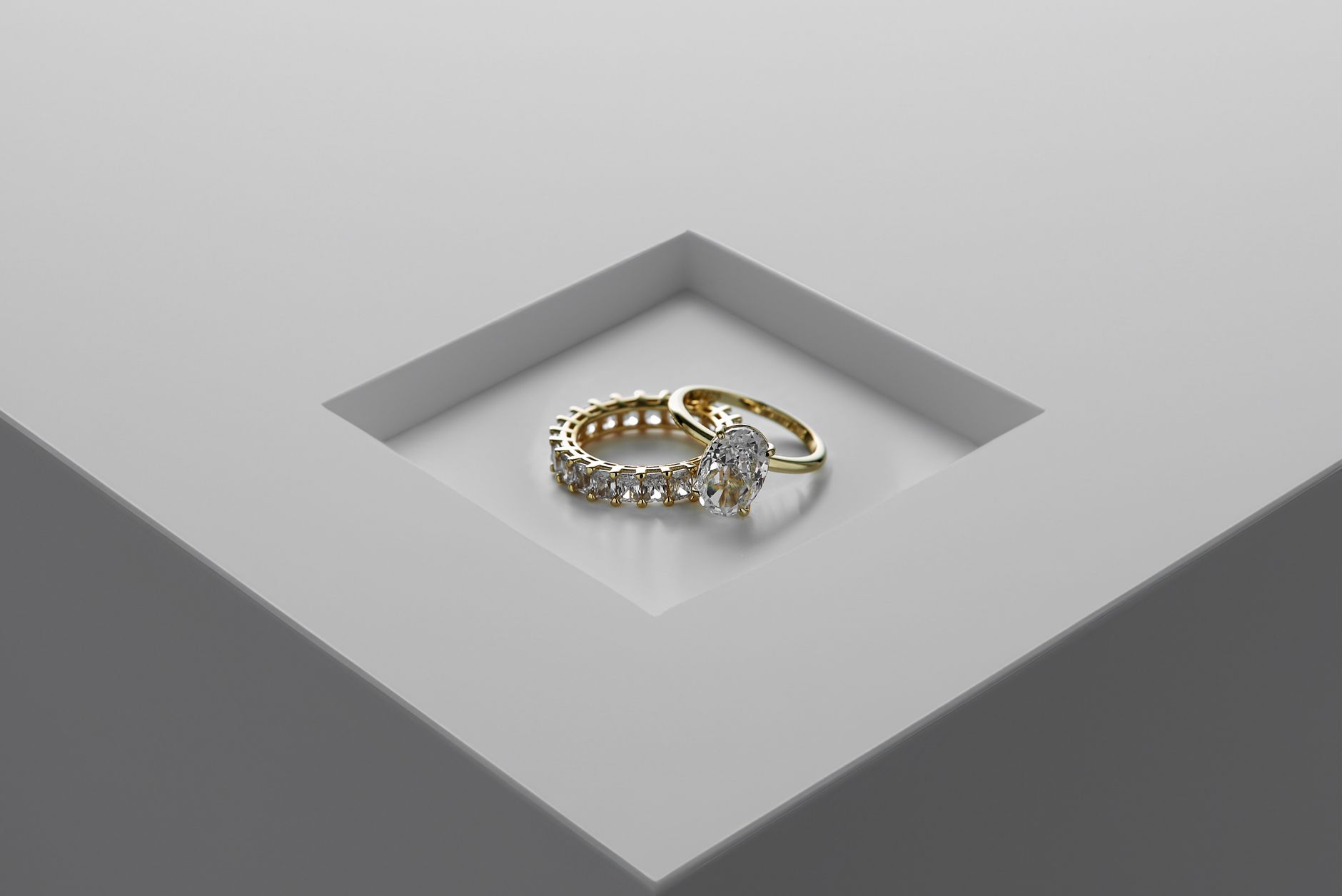
A clicking gemstone is loose, not quirky — here is how to test it, what not to touch, and which repairs risk the stone.
Learn why a ring can bind at the knuckle yet spin below it, and which fitting options can solve each problem.