
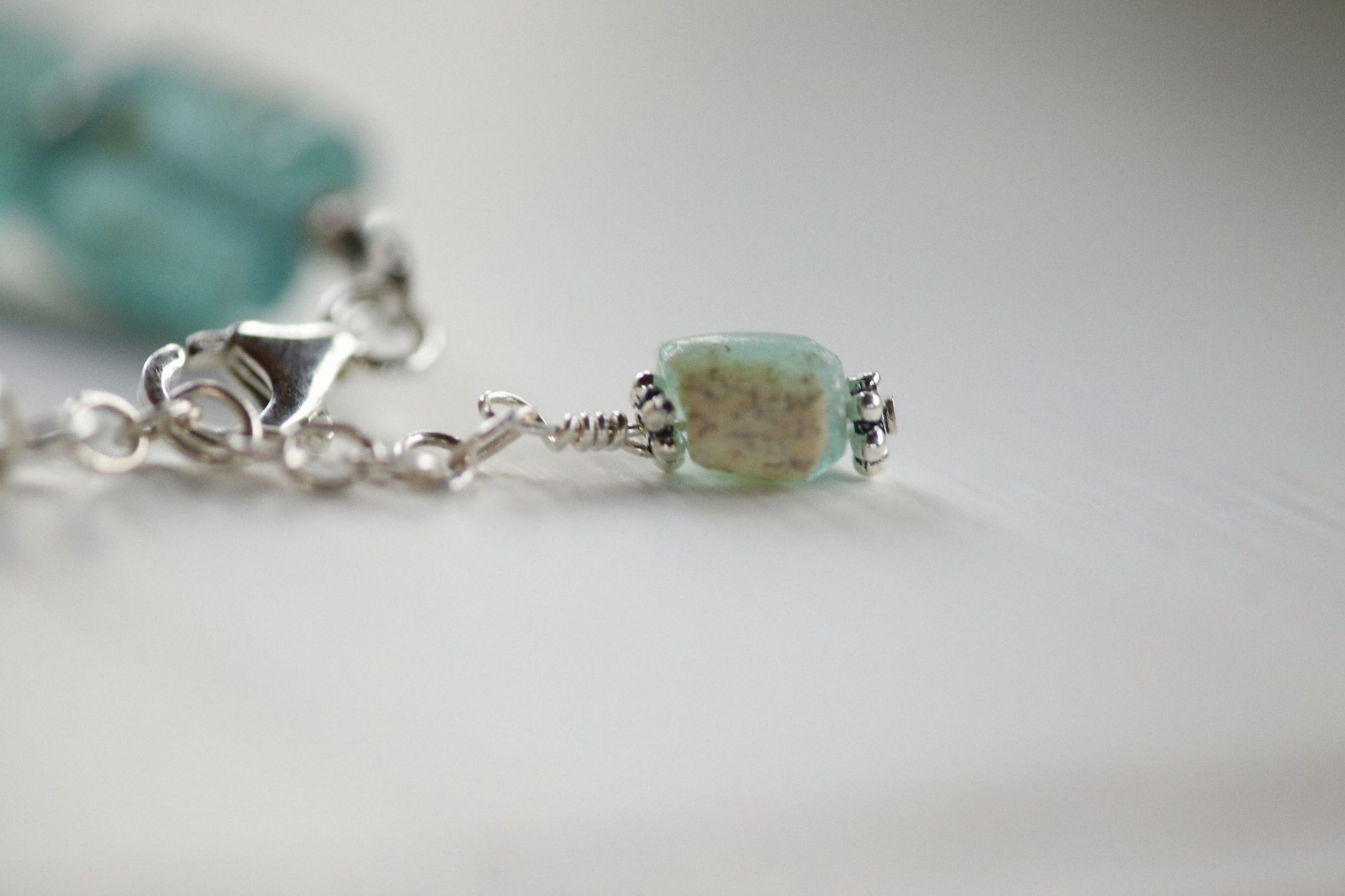
Do not clean the jewelry as a fix or wear it again; document the failed clasp and ask the seller for an inspection, exchange, or repair. You may request a refund, but it is not automatic because a seller may have the right to repair the item first. No seller, item, purchase date, or policy is identified here, so the promised remedy cannot be verified. The outcome depends on the seller's return policy, warranty, and applicable law.
Table of Contents
- What should you do immediately?
- Will cleaning solve the problem?
- Exchange, repair, or refund?
- Is this a return or a warranty claim?
- How should you contact the seller?
What should you do immediately?
A clasp is the fastening mechanism that keeps a necklace, bracelet, or other piece closed. If it opens or will not stay secure, stop wearing the jewelry until someone inspects it. GIA advises checking that clasps are secure before wearing or packing jewelry.
Photograph the clasp, the entire piece, and any damage caused by the failure. If possible, record how the clasp opens without repeatedly stressing it. Keep the following together: Do not bend, tighten, solder, or replace the clasp before the seller reviews it. Altering the mechanism can make the original condition harder to assess and may affect warranty coverage.
- Receipt or order confirmation
- Warranty documents
- Tags and original packaging
- Clear photos or video
- A short account of when and how the clasp failed
Will cleaning solve the problem?
Cleaning removes surface dirt; it does not repair a weak spring, poor connection, loose component, or clasp that will not remain closed. gia says most colored-gem jewelry can be surface-cleaned with warm water, mild dish soap, and a soft brush, but cleaning cannot establish why a clasp failed. Avoid unnecessary cleaning before submitting the claim.
Preserving the piece as it was immediately after the failure gives the seller a clearer condition to inspect. Do not use an ultrasonic cleaner when the gemstone or treatment is unknown. According to GIA's jewelry-care guidance, ultrasonic vibration can loosen stones, and some treated, organic, coated, or heat-sensitive gems are unsuitable for that method.
Exchange, repair, or refund?
Ask for an exchange when you still want the same piece but no longer trust this particular clasp. A repair may be appropriate if the seller's warranty treats the failure as a workmanship defect and the seller can inspect the jewelry first. A refund is reasonable to request if you do not want a repaired or replacement piece.
However, FTC warranty guidance says a company may have the right to repair a defective product before providing a refund. Your preferred outcome and your enforceable remedy are not always identical. State your choice clearly, then ask the seller to identify the policy or warranty provision governing its response.
Is this a return or a warranty claim?
A routine return usually depends on the item meeting the seller's return conditions. First wear can complicate that route because some policies reject jewelry showing wear or damage; for example, Mejuri's return terms require eligible returns to show no signs of wear or damage and exclude certain items.
A warranty claim focuses instead on whether the clasp had a workmanship defect. This may be the stronger route when the item failed during normal first wear, especially if the standard return policy requires unworn merchandise. Describe the event precisely: "The clasp opened during the first wear under normal use." Avoid diagnosing the cause unless a qualified inspection has identified it.
How should you contact the seller?
Contact the seller promptly and in writing when possible. The FTC's problem-resolution guidance recommends keeping the receipt and related records, explaining the problem, and stating the remedy you want.
A concise request can include: If the written policy does not resolve the issue, ask whether a workmanship warranty applies. U.S. buyers may also have state-law implied-warranty rights, although those rights can sometimes be disclaimed and vary by state.
- The order number and purchase date
- The date of first wear
- What the clasp did
- Whether the jewelry or any stones were lost or damaged
- Attached photos or video