
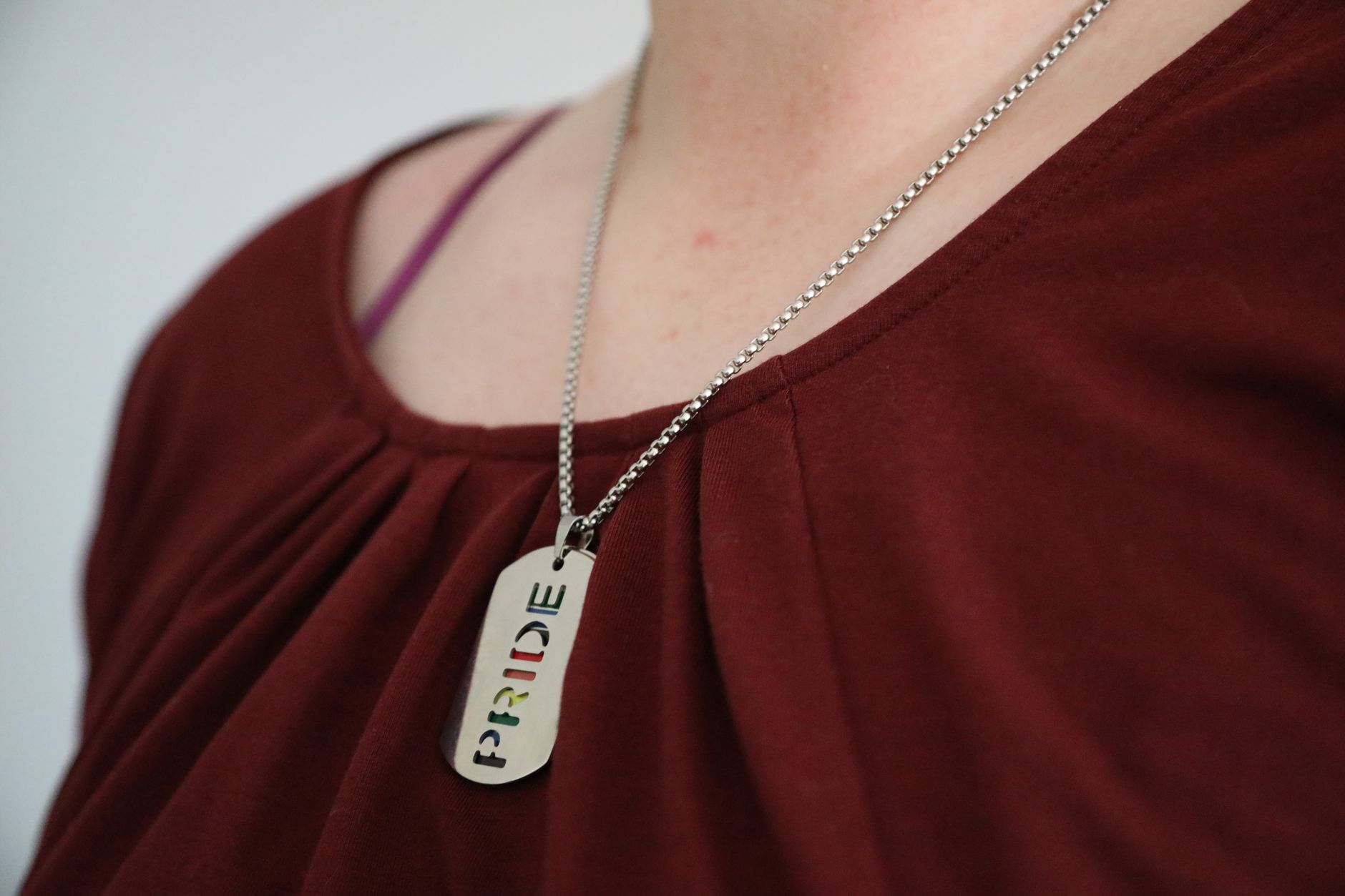
Do not clean the necklace first; measure it, document the shortfall, and seek an exchange or refund if it differs materially from the listing. Choose an exchange if you still want the design, or a refund if correct sizing cannot be guaranteed. Ordinary cleaning does not lengthen a precious-metal chain. It may free a kink or compacted links, but cleaning before contacting the seller could complicate a return.
Table of Contents
- Measure the chain before deciding
- Can dirt actually make a chain shorter?
- Clean, exchange, or refund?
- Protect your return or exchange
- If you decide to keep it
Measure the chain before deciding
Place the necklace on a flat surface and gently straighten it without stretching the links. Measure from one end of the clasp assembly to the other with a flexible tape or ruler. Check how the seller defines length. Some listings include the clasp and end ring, while others describe only the linked portion.
Adjustable chains may advertise their maximum wearable length, including an extension section. Repeat the measurement and photograph the chain beside the ruler. Also save the product page, order confirmation, packaging, and any size label. A photo showing a 17-inch chain against an 18-inch listing is more useful than saying it "feels short." Small differences may reflect measurement method or manufacturing tolerance. A substantial shortfall, or one that changes where the necklace sits, supports a stronger exchange or refund request.
Can dirt actually make a chain shorter?
gold, platinum, and silver chains do not shrink through normal wear or routine cleaning. Tarnish, skin oils, and jewelry products can affect appearance and flexibility, but they do not remove meaningful length. A chain can measure short when links twist, overlap, or lock into a kink. This is especially common with fine rope, wheat, snake, box, and herringbone styles. A tangled adjustment chain can also hide part of the usable length.
Inspect the necklace under bright light before pulling on it. If links remain bunched, stop rather than forcing them apart. Hollow, flat, and very fine chains can crease, stretch, or break during aggressive handling. If the necklace arrived visibly tangled or stiff, photograph that condition and contact the seller. Cleaning or manipulating a new chain may make it harder to show that the problem existed on arrival.
Clean, exchange, or refund?
Cleaning makes sense only when the measured length matches the listing and dirt or a minor kink affects how the necklace hangs. Follow the maker's care instructions because gemstones, plating, adhesives, pearls, and oxidized finishes may not tolerate standard jewelry cleaners. An exchange is usually the best choice when: Request a refund when the shortfall materially affects fit, the listing was unclear, or the seller cannot verify the replacement's actual length.
A refund may also be safer when the chain was sold as part of a matched pendant set and another chain could change its appearance or strength. Do not accept store credit automatically if you prefer repayment. Available remedies depend on the seller's policy, the item's condition, whether it was customized, and applicable consumer law.
- You like the necklace and want the advertised size.
- The seller confirms that a correctly measured replacement is available.
- The chain is unworn and remains within the exchange period.
- The replacement will not repeat the same nominal sizing problem.
Protect your return or exchange
Contact the seller before cleaning, polishing, repairing, or wearing the necklace. Keep tags attached and retain the box, pouch, certificate, receipt, and shipping materials. Send a concise message that includes: Ask the seller to confirm whether return shipping, original shipping charges, taxes, or restocking fees will be deducted.
Do not mail valuable jewelry without tracking and suitable insurance, and record the package's condition before sealing it. If the seller rejects the request, ask for the decision and policy in writing. Payment disputes are a last resort; preserve the listing, correspondence, measurements, and delivery records in case your card issuer or payment service requests evidence.
- The advertised length and your measured length.
- How you measured, including whether the clasp was included.
- Clear photographs of the full chain beside a ruler.
- Your preferred remedy: replacement at the stated length or refund.
- A request for return instructions and a prepaid label if the item was misdescribed.
If you decide to keep it
A removable extender can add length without permanently altering the necklace. Match the metal, clasp type, link size, and strength, especially when the chain supports a valuable pendant. Permanent lengthening requires compatible links and skilled soldering. The work may affect plating, heat-sensitive components, finish, value, or any seller warranty.
Obtain a written estimate before authorizing it. Check the pendant's bail—the loop through which the chain passes—before buying a replacement chain or extender. The new clasp must fit through the bail, and the chain must safely support the pendant's weight. If the necklace is still returnable, get the seller's written approval before making any alteration; an added link or replaced clasp can eliminate the return option.