
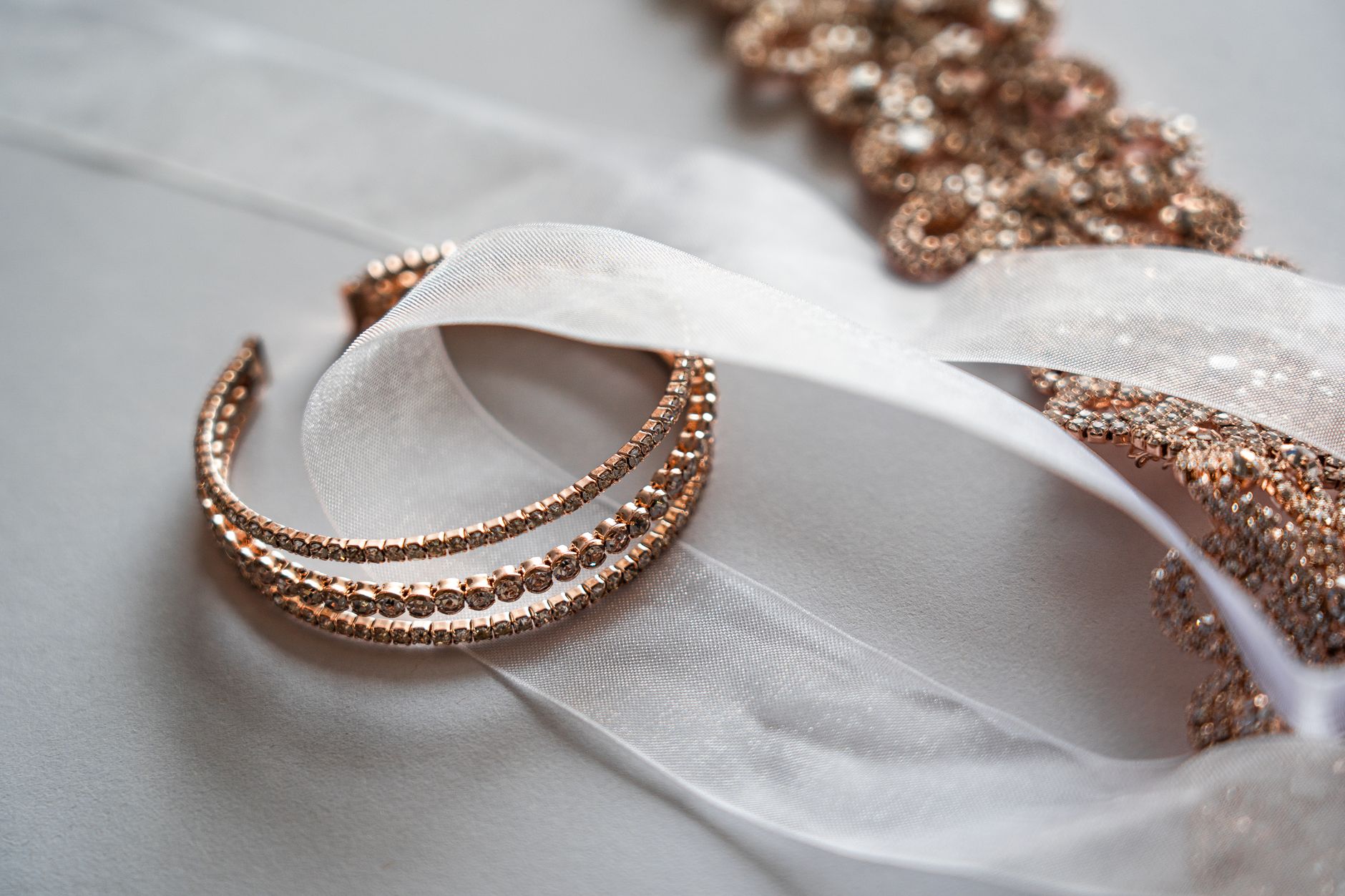
An open-band gemstone ring—a design with a gap between the shank ends—can be secure and comfortable when correctly fitted and set. Choose one by examining its gemstone setting, fit, cleaning limits, and repair needs rather than treating the open band as automatically adjustable. The gap changes how the ring sits on the finger, but it does not hold the gemstone. The stone's setting, often called the head, provides that protection.
Table of Contents
- Get the fit checked on your finger
- Judge the setting separately from the band
- Know the warning signs of a loose stone
- Match cleaning to the gemstone
- Plan for repair before buying
Get the fit checked on your finger
An open band has less metal touching the finger, so it generally fits more loosely than a closed band. GIA says these rings usually need a smaller size, although the required adjustment depends on the distance between the shank ends in its ring-sizing guidance. Do not order solely from the size of a conventional ring.
Have a jeweler use finger gauges and assess the actual ring on the intended finger. Temperature, humidity, altitude, and time of day can affect professional sizing decisions. During the fitting, move and relax your hand. Check whether the ring stays secure without the open ends pressing uncomfortably or the head rotating excessively.
Judge the setting separately from the band
The open shank does not secure the gemstone; the head does. Examine how the stone is enclosed or gripped before considering the ring's style, metal, or gap. gia describes a full bezel as metal wrapping around a gemstone's edge for maximum protection and smoother wear.
A partial bezel exposes more of the stone while adding security, making either form worth considering for active hands in GIA's guide to ring settings. For prong-set stones, compare both the number and shape of the prongs. Additional prongs provide extra security, while V-shaped prongs protect the pointed corners of heart, princess, pear, and marquise cuts.
Know the warning signs of a loose stone
inspect the setting under good light. A stone that moves under gentle pressure or shows a visible gap from its setting is loose; do not keep testing or wearing it once you notice movement. Prongs can shift or loosen through wear.
GIA advises having them checked every six months in its diamond ring protection guidance. Delicate prong and pavé settings, which hold many small stones, also need periodic inspection. Take the ring to a jeweler promptly if you notice:.
- Movement, clicking, or a gap around a stone
- A bent, displaced, or visibly worn prong
- A missing stone in a pavé section
- A setting that catches more than it previously did
Match cleaning to the gemstone
For most rings, use warm water, mild soap, and a soft brush. Brush intricate areas gently, rinse carefully, and arrange periodic professional cleaning when dirt is difficult to reach. An ultrasonic cleaner is not a universal solution.
It can dislodge a stone that is already loose and should be avoided for fracture-filled, coated, oiled, waxed, organic, or heat-sensitive gems, according to GIA's ultrasonic-cleaning guidance. Any setting considered suitable for ultrasonic cleaning should be inspected before and after treatment. Emeralds require particular care because many natural examples are fracture-filled. Ultrasonic or steam cleaning can damage their fractures or fillers, so use warm soapy water and gentle brushing instead.
Plan for repair before buying
Ask how the setting can be serviced and whether the seller provides inspections. Routine work may include re-tipping worn prongs, tightening a stone by adjusting its setting, and refinishing the metal.
An open design does not eliminate normal setting maintenance. If the ring becomes loose, uncomfortable, or misshapen, have a jeweler evaluate it on your finger instead of bending the shank or prongs yourself. Before wearing a repaired ring again, ask the jeweler to confirm that every gemstone is tight and that the reshaped band fits securely without uncomfortable pressure.