
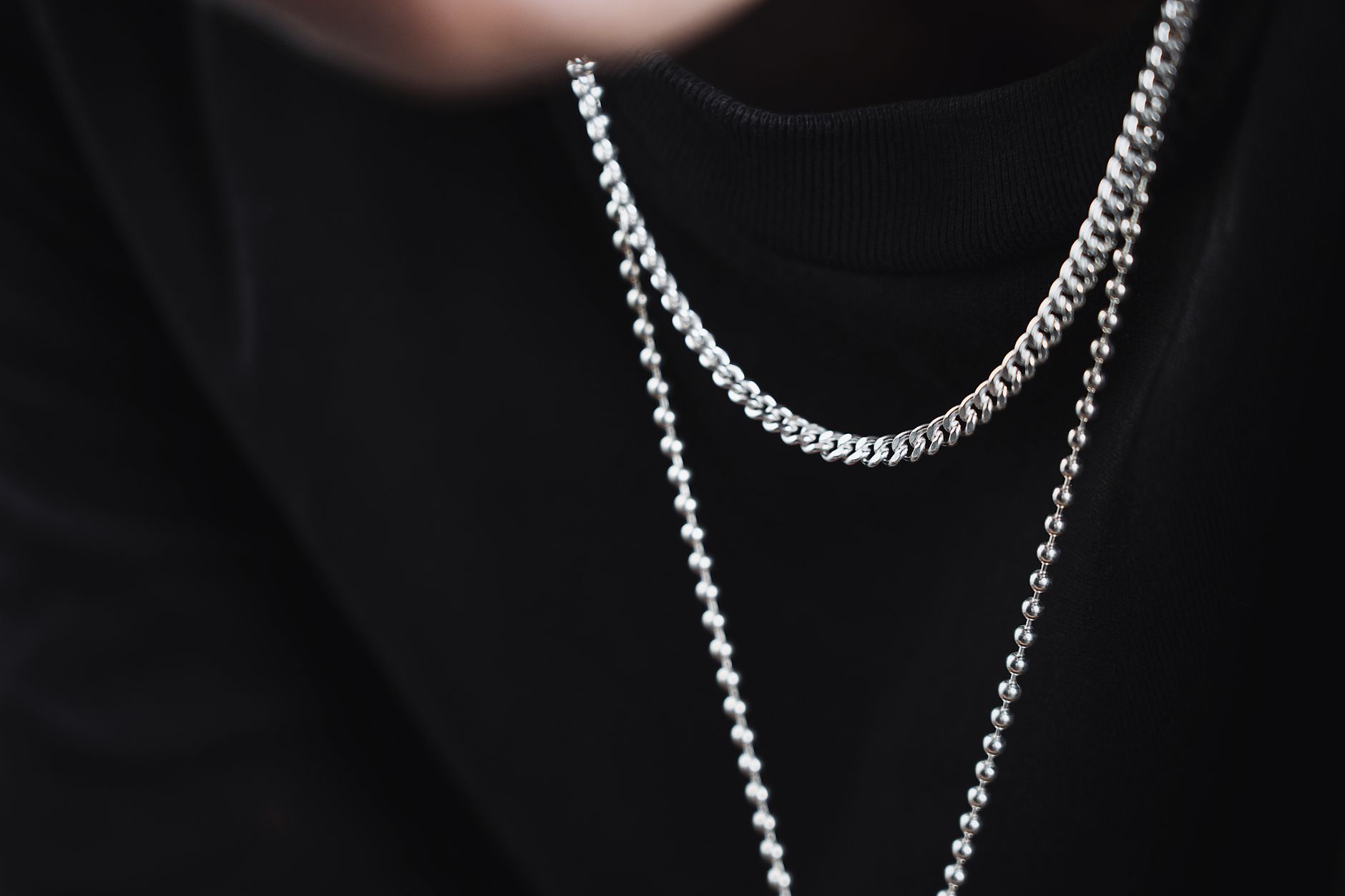
A necklace chain that measures shorter than advertised may reflect a different measuring method, production variation, alteration, or the wrong item. Photograph the full chain beside a rigid ruler, then capture both endpoints, the clasp, hallmarks, tags, and original listing. "Advertised length" usually means a nominal end-to-end measurement, but sellers do not always measure clasps, end rings, or extenders consistently. The size difference, construction, and listing language determine whether the shortfall is meaningful.
Table of Contents
- Why the measurement may differ
- Measure the chain without stretching it
- What to photograph
- Does a shorter chain mean less precious metal?
- What to do with the evidence
Why the measurement may differ
Many sellers measure an open chain from its outermost clasp end to the opposite end ring. Others describe only the linked portion or separate the main chain from an extender. A necklace listed as "16 inches plus a 2-inch extender" may therefore have several relevant measurements.
A small difference can result from rounding, link assembly, or production variation. There is no single tolerance that applies to every seller or chain type, so check the product specifications and written return terms. A larger discrepancy may indicate an incorrectly labeled size, a shortened repair, a missing extender, or a substituted item. Mismatched tags, unfamiliar clasp details, or different link construction strengthen that concern, but none proves substitution by itself.
Measure the chain without stretching it
Open the clasp and place a flexible chain on a flat surface. Gently straighten it without pulling the links tight, then measure from the outer edge of one terminal fitting to the outer edge of the other. Keep the chain parallel to a rigid ruler and align one endpoint precisely with zero.
A fabric tape can bend or shift, while measuring a closed chain may obscure the endpoints and produce a confusing doubled measurement. Rigid omega, herringbone, and collar-style necklaces should not be forced flat. Follow their natural curve with a nonstretch measuring tape, and photograph the setup so the measurement method remains clear. Measure an extender both separately and at full extension.
What to photograph
Use bright, even light and keep the entire chain and measurement scale in the same frame. Avoid digital measurement overlays because a seller or card issuer cannot verify their calibration.
Capture: Do not crop away either endpoint. One continuous video moving from the zero mark to the final reading can supplement the still photographs, especially when a long chain will not fit clearly in one close image.
- The complete open chain laid flat beside a ruler
- A close-up showing the first endpoint aligned with zero
- A close-up showing the ruler reading at the opposite endpoint
- The clasp, end ring, extender, and any damaged or altered links
- Hallmarks, maker's marks, serial numbers, and metal-quality stamps
Does a shorter chain mean less precious metal?
A shorter chain may contain less metal than promised if its link size, thickness, construction, and alloy are otherwise identical. Length alone cannot establish the metal shortage because hollow links, solid links, wire gauge, clasp size, and manufacturing differences also affect weight. If the listing promises a specific gram weight, photograph the chain on a suitable jewelry scale after confirming the display reads zero.
Treat a consumer scale result as supporting evidence, not a purity test or definitive professional measurement. A hallmark such as "14K," "750," or "925" identifies the represented fineness, but it does not verify the chain's actual composition. Do not acid-test, cut, file, or remove tags from a returnable necklace; those actions can damage it and complicate a refund.
What to do with the evidence
Compare your result with the seller's exact wording before alleging deception. Ask whether the stated length includes the clasp and extender, what tolerance applies, and whether the item's tag matches the ordered size. If the difference affects fit or falls outside the written specification, contact the seller within the return period.
Send the clearest full-chain photograph, endpoint close-ups, and saved listing rather than a large set of repetitive images. For a costly or disputed piece, an independent jeweler can document the length, weight, construction, and visible condition. Keep the necklace unaltered in its packaging until the seller confirms whether it should be returned or independently examined.