
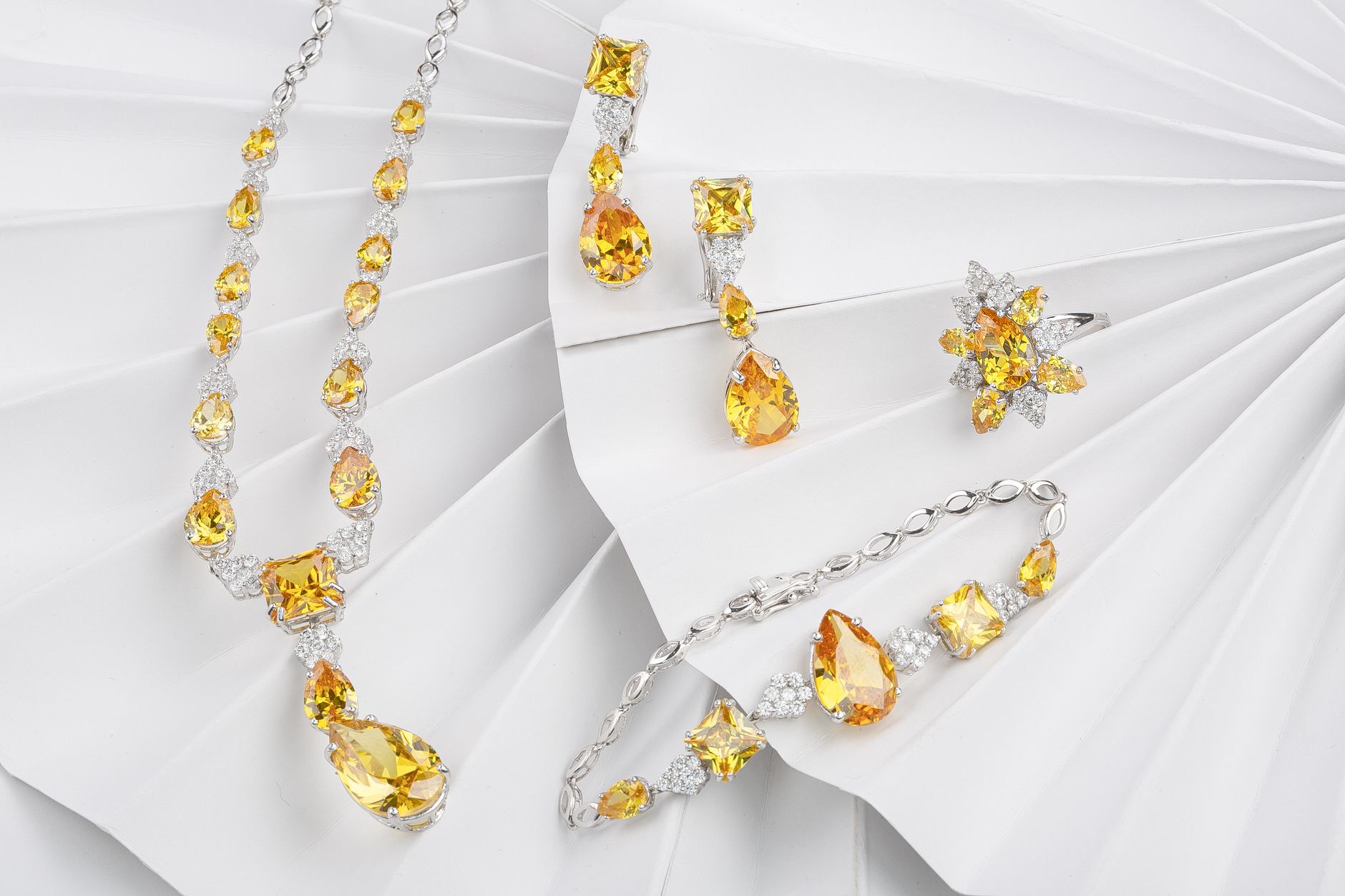
An online buyer should expect written identification of the gemstone, disclosure of treatments, and evidence tied to the specific item. For costly jewelry, the strongest evidence is an independent gemological report—not the seller's "natural gemstone" label alone. "Natural" generally means the material formed without human manufacture, unlike a laboratory-grown synthetic stone. It does not automatically mean untreated, rare, high quality, responsibly sourced, or from a particular country.
Table of Contents
- What Does "Natural" Actually Establish?
- What Evidence Should the Seller Provide?
- When Is a Laboratory Report Reasonable?
- What Are the Limits of Testing?
- How Should a Buyer Check the Claim?
What Does "Natural" Actually Establish?
A natural ruby and a laboratory-grown ruby can share essentially the same chemical and physical properties. The important difference is origin: one formed naturally, while people manufactured the other. Natural stones may still undergo heat treatment, irradiation, dyeing, fracture filling, oiling, coating, or other enhancement. Some treatments are routine and stable.
Others affect durability, care requirements, appearance, and resale prospects. The claim also says nothing about grade. A heavily included natural sapphire may be worth less than an attractive laboratory-grown sapphire, despite the natural stone's geological origin. Composite products require special care. A doublet, triplet, or glass-filled stone may contain natural material but should not be presented as though it were a solid, untreated gemstone.
What Evidence Should the Seller Provide?
The product page and invoice should identify the stone precisely. "Blue natural gemstone" is inadequate when the seller could state "natural sapphire," its weight, treatments, and whether the stone is solid or assembled. Useful written evidence includes: A generic certificate has little value if it lacks a report number, measurements, photographs, or other details connecting it to the purchased item.
Seller-issued "certificates of authenticity" remain seller claims unless independent examination supports them. Metal hallmarks do not authenticate gemstones. A valid gold fineness mark can describe the setting accurately while the mounted stone remains synthetic, treated, composite, or misidentified.
- The gemstone species or accepted variety name
- Natural or laboratory-grown origin
- Known treatments or a clear statement that none were detected
- Stone weight, measurements, color, and identifying features
- Whether the report examined a loose or mounted stone
When Is a Laboratory Report Reasonable?
Independent testing becomes more important as price, rarity, and treatment risk increase. Buyers should reasonably request a report for significant diamonds, rubies, sapphires, emeralds, alexandrites, and other stones whose value depends heavily on natural origin or treatment status. A useful gemological report may state the stone's identity, natural or synthetic origin, detected treatments, dimensions, and weight. It may also provide a geographic-origin opinion when the evidence supports one, but not every stone can be assigned reliably to a country or mine.
check that the report describes the actual stone. Measurements, weight, shape, photos, inscriptions, and report numbers should match the jewelry and seller's listing. A report is not the same as an appraisal. Gemological reports address identity and observable characteristics; appraisals estimate value for a stated purpose. Neither document guarantees future resale value.
What Are the Limits of Testing?
Mounted jewelry can restrict an examiner's view and prevent accurate weighing. Settings may hide inclusions, filling, coatings, chips, or other evidence needed for a firm conclusion. Gemological testing is also an expert opinion based on the specimen, available methods, and the stone's condition at examination. Sophisticated treatments and later alterations can complicate identification.
Country-of-origin opinions deserve separate scrutiny. "Natural sapphire" addresses formation, while "Kashmir sapphire" adds a geographic claim that can greatly affect value. That added claim needs specific support and should not be inferred from color, marketing language, or a seller's story. Ethical sourcing is another separate issue. A natural-origin report does not usually prove lawful mining, worker protections, conflict-free status, or an unbroken chain of custody.
How Should a Buyer Check the Claim?
Ask questions before paying and keep the answers with the invoice. Written representations are more useful than statements made during a call or disappearing live chat.
Use a simple purchasing check: Treat vague phrases such as "genuine," "real," "created," "simulated," and "enhanced" as prompts for clarification. "Genuine emerald," for example, may still be treated, while "emerald simulant" is not emerald at all. If the seller promises a natural, untreated stone but will not put that description on the invoice, the buyer should not rely on the promise.
- Ask whether the exact stone is natural, synthetic, composite, or an imitation.
- Ask which treatments are known, suspected, or not tested.
- Request the complete laboratory report, not a cropped image or summary.
- Confirm that identifying details match the item being sold.
- Review return deadlines, exclusions, shipping responsibility, and restocking fees.