
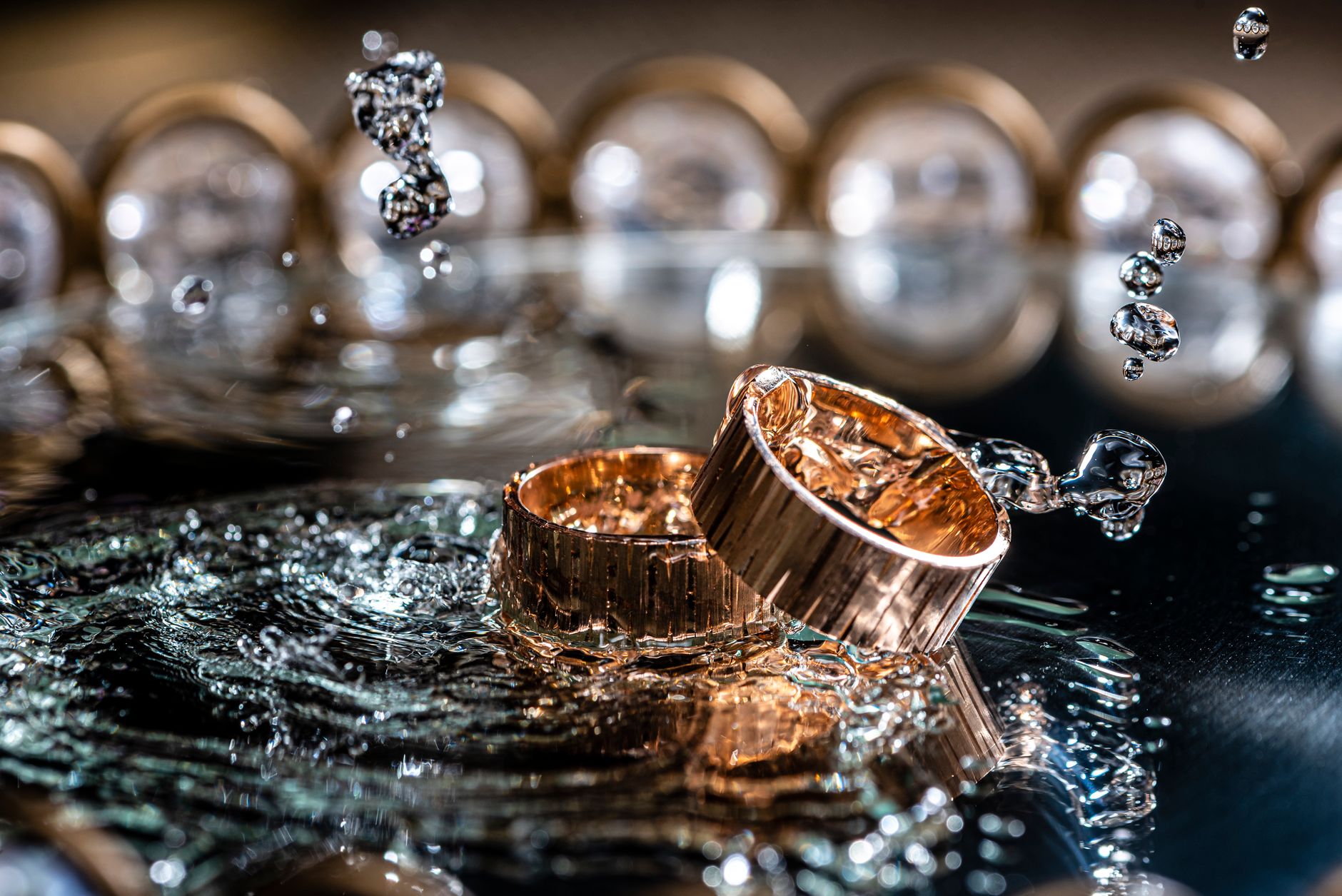
A gold vermeil ring that arrives with dark tarnish may have surface residue, tarnished silver beneath imperfect plating, or an intentional antiqued finish. It does not automatically mean the ring is fake, but a new piece should be documented before cleaning or wearing it. Gold vermeil generally means a layer of gold over sterling silver, although legal standards vary by country. Because both the coating and silver base can affect the appearance, photographs and seller information matter more than color alone.
Table of Contents
- What could cause the dark area?
- What does the pattern reveal?
- What should you photograph?
- How should you report it?
- What should you avoid doing?
What could cause the dark area?
Black, gray, or brown marks can come from polishing compound, adhesive, fingerprints, packaging materials, moisture, or chemical exposure during storage. These deposits may sit on top of an otherwise intact gold layer. A second possibility is silver tarnish visible through pores, scratches, thin spots, or missed areas in the plating.
Sterling silver darkens when it reacts with sulfur-containing substances in air or nearby materials. Tarnish showing at edges, seams, prongs, or inside the band may point to uneven coverage or abrasion. Some rings receive a deliberate oxidized or antiqued treatment to emphasize recessed details. That explanation is more plausible when the dark color appears evenly inside engraved lines, beneath a setting, or across matching recessed areas.
What does the pattern reveal?
Location often provides better evidence than shade. A single dark smear may be residue, while repeated dark patches along exposed edges may suggest plating damage or incomplete coverage.
Look closely for these patterns: Color alone cannot establish the gold's purity, coating thickness, or base metal. Screen settings, warm lighting, and camera processing can also make rose, brown, and black tones look more pronounced.
- Dark color confined to engraving or textured recesses may be intentional.
- A black or gray line at a seam may indicate trapped polishing material or exposed silver.
- Flaking, bubbles, pinholes, or sharply defined bare spots suggest a coating defect.
- Scratches with a pale gray center may expose the silver base.
- Green residue can indicate contamination or corrosion involving copper, which is commonly present in sterling-silver alloys.
What should you photograph?
Photograph the ring before wiping, polishing, testing, resizing, or wearing it. Cleaning can remove residue, but it can also erase evidence or enlarge a weak area in the coating.
Capture a clear record: Use indirect daylight or a neutral white lamp, then take a second set with the camera flash off. Include a ruler for scale, but do not place a coin or another metal object directly against the ring.
- The full ring from the top, both sides, and underneath.
- One close-up of each dark area, followed by a wider image showing its location.
- The inside of the band, including every hallmark, number, logo, or maker's mark.
- Prongs, edges, seams, hinges, and the area beneath any raised setting.
- Tags, protective films, pouches, boxes, and any residue inside the packaging.
How should you report it?
Contact the seller promptly and describe only what you can observe. State where the discoloration appears, whether it rubs off, and whether you see scratches, bubbles, flakes, or exposed gray metal.
Ask the seller to confirm: Keep the ring, packaging, photographs, listing, receipt, and correspondence together. If a return deadline applies, start the claim before attempting home cleaning or arranging independent testing.
- Whether the dark finish is intentional.
- The base metal and any hallmark you should expect.
- The stated gold purity and coating specification.
- Whether cleaning would affect return, exchange, or warranty rights.
- Whether the seller wants the item returned without alteration.
What should you avoid doing?
Do not use silver dip, abrasive polishing cloths, toothpaste, baking soda, jewelry-cleaning machines, or unapproved chemical solutions. Products designed to remove silver tarnish can also attack or wear a thin gold surface. Acid tests and electronic testers have limits on plated jewelry.
A surface reading may identify the coating rather than the base, while filing or scratching through the gold permanently damages the ring. If the seller authorizes basic cleaning, begin with a soft, dry, lint-free cloth and very light pressure. Stop if the cloth picks up gold-colored material, the dark area grows, or a different-colored metal becomes visible.