
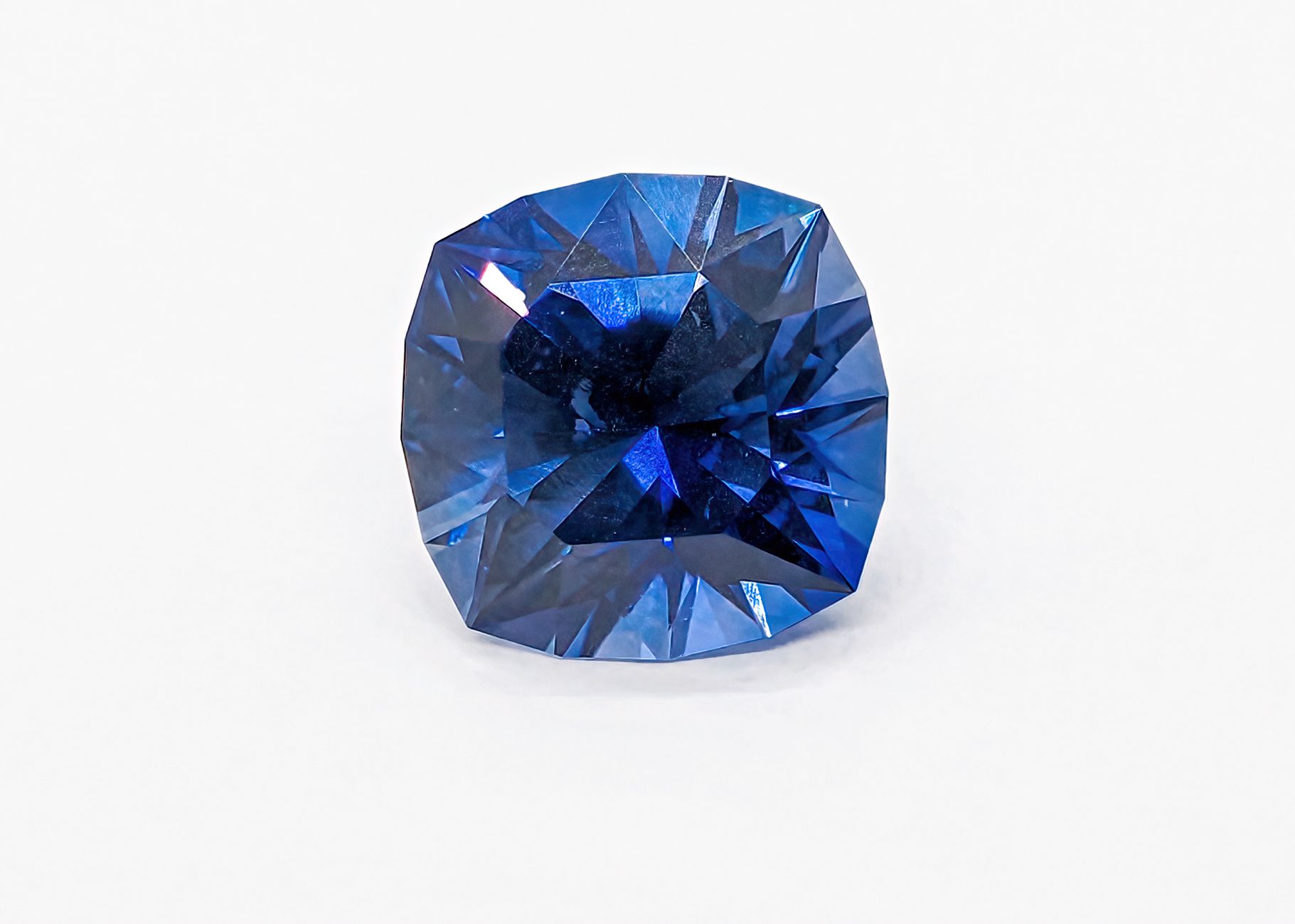
November has two birthstones: topaz and citrine. Both are traditional choices for November rings and jewelry. A birthstone is a gem linked by custom to a birth month. For November, that means warm yellow, golden, orange, and brownish tones.
Table of Contents
- How do topaz and citrine differ?
- Which metal pairings work well?
- Are they durable enough for rings?
- How should you choose between them?
How do topaz and citrine differ?
Topaz is a mineral that occurs in several colors. For November jewelry, the classic look is yellow, golden-orange, or sherry brown. Many commercial pieces also use blue topaz, which offers a cooler alternative. Citrine is yellow to amber quartz, meaning a quartz stone with warm color.
It usually shows a clear, even tone from pale lemon to deep honey. It often costs less to produce in larger sizes than fine golden topaz. In hand, topaz tends to look crisp and bright. Citrine tends to look soft and glowing, especially in cushion, oval, and emerald cuts.
Which metal pairings work well?
Yellow gold deepens the warmth of golden topaz and honey citrine. It creates a rich, tonal match that suits vintage and classic ring designs. White gold and platinum create contrast. The cool metal frame makes the yellow or orange center stand out.
This pairing suits wearers who want sharper definition around the stone. Rose gold adds a blush cast around pale stones. It works best with light yellow citrine or champagne topaz. Ask the jeweler to view the loose stone against each metal in daylight before setting.
- Yellow gold: warmest, most traditional match
- White gold or platinum: strongest color contrast
- Rose gold: softest effect, best with pale tones
Are they durable enough for rings?
Rings take knocks, so hardness and toughness matter. Topaz resists scratching well but can split if struck sharply along its cleavage plane, meaning a natural weak direction in the crystal. Citrine resists everyday wear well but still needs protection from hard blows. For daily wear, choose a protective setting.
A bezel, half-bezel, low gallery, or setting with sturdy prongs guards corners and edges. Higher or exposed stones suit occasional wear better than constant use. Care is simple and physical. Remove the ring for sports, heavy cleaning, and lifting. Clean with warm water, mild soap, and a soft brush, then dry fully.
How should you choose between them?
Start with color preference. Choose imperial or golden topaz for saturated orange-gold color. Choose citrine for a lighter, calmer yellow and a larger stone for the same budget. Then consider maintenance and lifestyle.
A person who wears one ring daily needs a lower profile and thicker shank. A person rotating several rings can wear a larger or higher-set stone. Ask for natural versus treated disclosure in writing. Common treatments improve color, but they should be named on the receipt. Confirm stone type, treatment, metal, and care terms before purchase.