
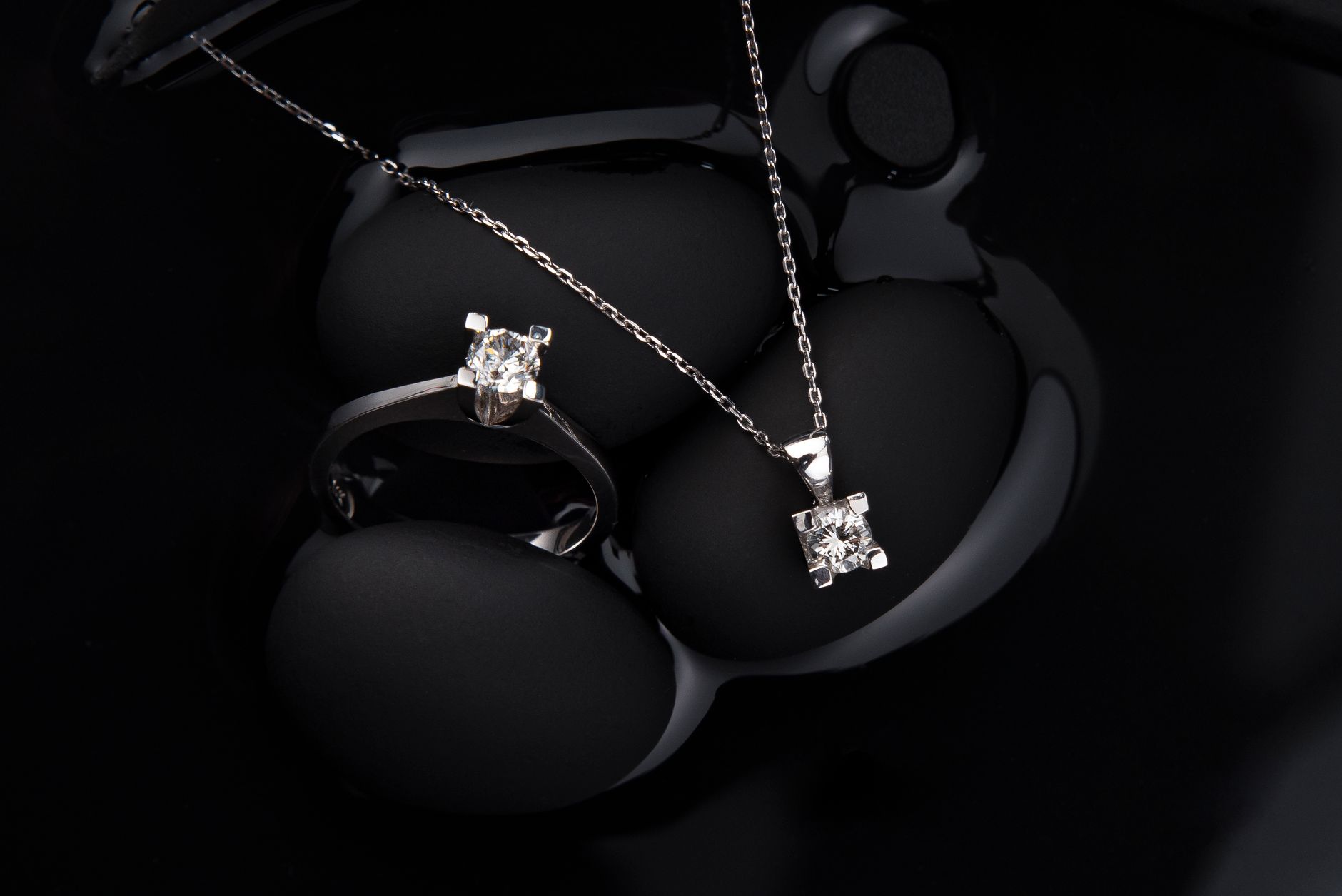
A sound 2026 ring purchase depends on three checks: the metal's stated composition, the factors behind the price, and independent evidence of gemstone identity. Ask for written specifications, treatment disclosures, and a verifiable laboratory report before paying. Terms such as "gold," "silver," "platinum," and "diamond" do not reveal enough by themselves. Purity, construction, gemstone origin, treatments, and grading can change durability, value, and future maintenance.
Table of Contents
- Which ring metal should you choose?
- When is a gold-colored ring not solid gold?
- What actually determines a diamond ring's price?
- How do you verify diamond origin?
- What should colored-stone buyers ask?
Which ring metal should you choose?
gold karat numbers describe purity. A 14K ring contains 14 parts gold out of 24, while 18K contains 18 parts. Pure 24K gold is soft, so jewelry makers commonly alloy it for durability. "Sterling silver" and "925" mean 92.5% pure silver.
Silver plate is different: it consists of a silver layer over base metal. For platinum, an unqualified "platinum" description should indicate at least 95% purity under FTC jewelry guidance. Items containing 50% to 85% platinum should disclose the amounts of platinum and other platinum-group metals. Ask these questions:.
- What is the exact metal and purity?
- Is the ring solid, plated, filled, overlay, vermeil, or flashed?
- Is that description written on the receipt?
- Does the seller recommend any special maintenance?
When is a gold-colored ring not solid gold?
A gold appearance does not establish solid-gold construction. Gold plating eventually wears away, although the timing depends on plating thickness and how the ring is used. Ask the seller to identify the construction precisely.
"Gold-filled," "gold overlay," "electroplated," "vermeil," and "flashed" are not interchangeable with solid gold. A vague description such as "gold finish" does not tell you the underlying metal or plating method. Inspect the ring for a karat mark and the responsible company's name or U.S.-registered trademark. The FTC advises against buying gold jewelry when a karat mark lacks that accompanying company identifier.
What actually determines a diamond ring's price?
Carat weight alone cannot explain a diamond's price. Two diamonds of equal weight may have materially different prices because cut, color, and clarity also matter, according to the GIA diamond-buying guide. A practical comparison keeps the setting and diamond specifications separate.
Request the price of the center stone, side stones, and ring mounting so you can see where the budget goes. Buyers seeking value can compare near-colorless G–J diamonds and VS2 or SI1 clarity grades. GIA notes that these grades may cost less while many inclusions remain invisible without magnification, but that is not guaranteed for every stone. Examine each diamond's report and appearance rather than buying from grade labels alone.
How do you verify diamond origin?
Natural and laboratory-grown diamonds cannot be distinguished reliably through ordinary visual inspection. They have essentially the same chemical composition, crystal structure, optical properties, and physical properties, as GIA explains. If origin matters, request an independent laboratory report.
Confirm that its description matches the ring, then enter the report number in the issuing laboratory's database. GIA's Report Check compares submitted report information with its archived records. Ask explicitly:.
- Is the diamond natural or laboratory-grown?
- Which independent laboratory issued the report?
- Does the report number verify in the laboratory database?
- Does the sales receipt state the diamond's origin?
What should colored-stone buyers ask?
For a colored gemstone, ask whether it is natural or laboratory-grown and which treatments were detected. Heat, clarity enhancement, and other treatments can materially affect value, according to GIA's colored-stone analysis guide.
Do not accept "genuine" as a complete description. Request the species or variety, origin category, detected treatments, laboratory name, and report number in writing. If the seller cannot document those points, price the uncertainty into your decision or choose a better-documented ring.
You Might Also Like
- Necklaces and Chains Jewelry 2026 Guide: materials, price, and authenticity; Key Facts and Questions to Ask
- Metals and Finishes Jewelry 2026 Guide: materials, price, and authenticity; Key Facts and Questions to Ask
- Gemstones Jewelry 2026 Guide: materials, price, and authenticity; Key Facts and Questions to Ask