
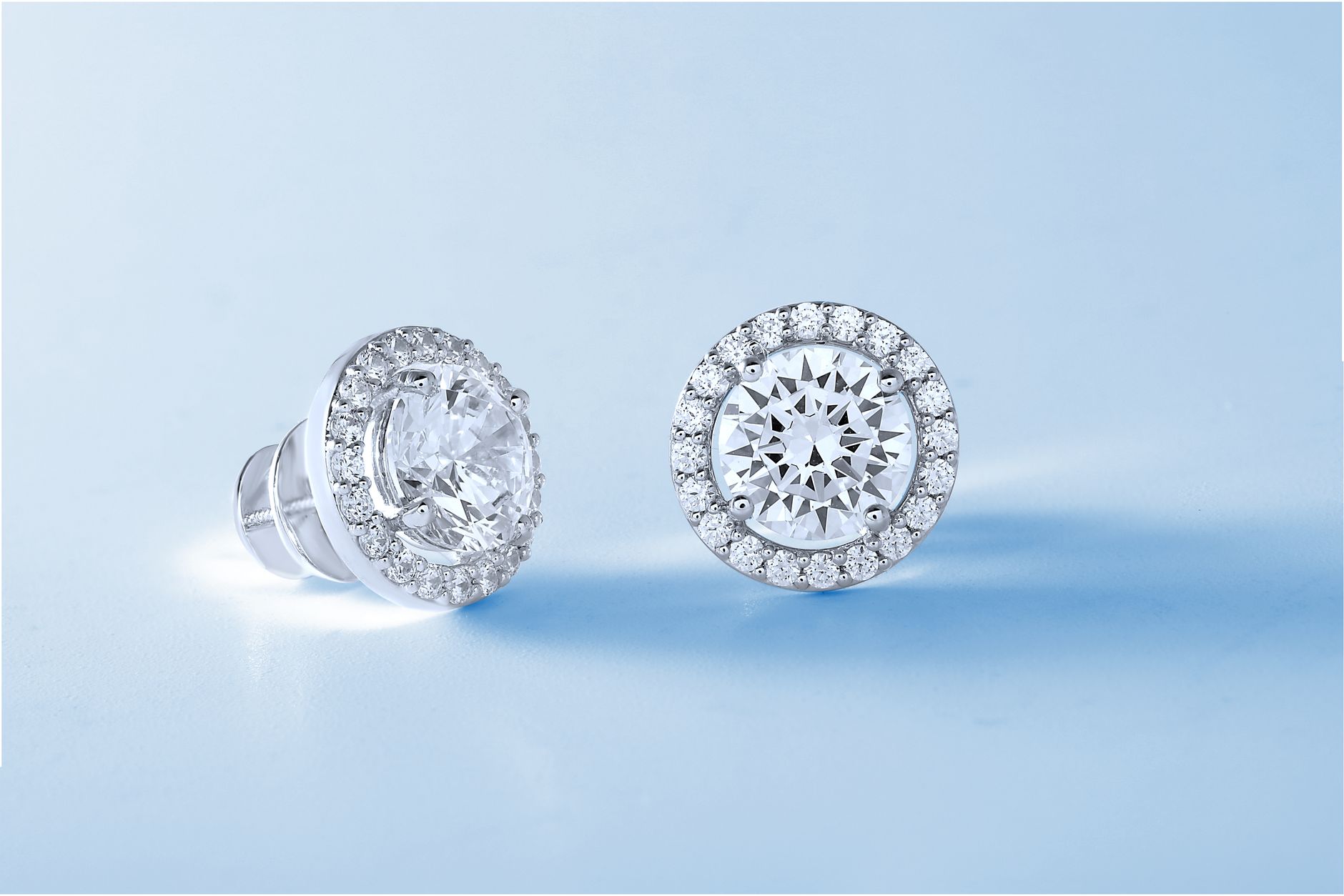
A platinum ring typically costs more upfront than an equivalent white gold ring, even though platinum trades for less per ounce on the metals market. Platinum wins on long-term durability and low maintenance, while white gold costs less to buy but needs recurring upkeep to stay white. The price gap comes down to purity and density, not just market rates. Durability is a trade-off, not a clean win for either metal: each one fails differently, and which failure mode matters more depends on how the ring gets worn.
Table of Contents
- Why Does Platinum Cost More If Gold Is the Pricier Metal?
- What Gives White Gold Its Color — and What That Costs Over Time
- Which Metal Holds Up Better to Daily Wear?
- Which Metal Is Better for Sensitive Skin?
- So Which Ring Should You Choose?
Why Does Platinum Cost More If Gold Is the Pricier Metal?
Gold is currently the more expensive metal by weight. Gold closed near $4,180.86 per troy ounce on October 18, 2026, while platinum traded around $1,703 to $1,713 per ounce on October 1, 2026 — gold running roughly 2.4 times higher per ounce, according to Kitco's platinum pricing and pricegold.net's gold close. Despite that gap, a finished platinum ring often costs as much as or more than an identical white gold design. Platinum rings are alloyed far purer — typically 90% to 95% platinum — while 14k white gold, the most common ring karat, is only 58.3% pure gold by weight under the FTC's karat-marking rules, with the rest base-metal alloy, according to the FTC's Jewelry Guides.
Platinum is also denser than gold, so a ring of the same size requires more precious metal by weight to make, according to Robinsons Jewelers. The two metals are regulated differently at the point of sale, too. An item can only be marked or described as unqualified "platinum" if it contains at least 950 parts per thousand pure platinum; a less pure alloy, between 500 and 850 parts per thousand, can use the word "platinum" only with full disclosure of each metal and its percentage, per the FTC's advertising guidance. That purity floor is one reason platinum rings carry so much metal value relative to their size.
What Gives White Gold Its Color — and What That Costs Over Time
White gold is not naturally bright white. The raw alloy has a faint yellow-grey cast; the bright white shine buyers expect comes from a rhodium electroplate layer applied after the ring is made, according to Robinsons Jewelers.
That plating wears off with normal use. Jewelers report it typically needs renewing anywhere from about every six months to every two to three years, with rings wearing fastest of any jewelry type because they constantly contact hard surfaces, according to Robinsons Jewelers and timothyroe.com. Each replating is a recurring cost that a platinum ring never carries, since platinum is naturally white all the way through.
- White gold ring: lower purchase price, but budget for rhodium replating roughly every one to three years to keep the white finish.
- Platinum ring: higher purchase price, no replating ever needed, since the color is the metal itself.
Which Metal Holds Up Better to Daily Wear?
Jewelers disagree on which metal scratches less, and the disagreement matters for what a scratch actually does to the ring. Some describe platinum as denser and better at securing stones long-term in prongs; others point out that platinum scratches more easily than hardened white gold, according to Cullen Jewellery. The key difference is what happens after the scratch.
Platinum displaces rather than loses metal when scratched, developing a soft patina over time instead of shedding volume. White gold's rhodium plating is harder and shinier when fresh, but its scratches remove metal rather than just move it, per Cullen Jewellery. For a ring worn daily for decades, that distinction affects prong security more than cosmetics. A platinum setting that develops a patina is still the same amount of metal holding a stone in place; a white gold setting that loses metal to scratching over many years is thinner than it started.
Which Metal Is Better for Sensitive Skin?
Platinum is the more hypoallergenic choice for people with nickel sensitivity. Standard white gold alloys commonly include nickel to whiten and harden the metal, which can irritate sensitive skin, while platinum jewelry at 90% to 95% purity is generally nickel-free, according to Melorra's jewelry guide.
This matters most for rings, since they sit against skin continuously and get exposed to soap, water, and friction more than any other piece of jewelry. Anyone with a known nickel allergy, or a history of skin irritation from other white gold or alloyed jewelry, has a clearer reason to pay platinum's premium than someone without that sensitivity.
So Which Ring Should You Choose?
The decision comes down to which costs a buyer wants to pay upfront versus over time. Buyers prioritizing long-term stone security, hypoallergenic metal, and zero replating cost tend toward platinum despite its typically higher purchase price.
Buyers prioritizing a lower upfront cost should plan for recurring rhodium replating, roughly every one to three years, to keep white gold's white finish looking fresh. Either choice holds its value as a precious metal; the difference is entirely in what the ring costs you after the purchase, not just at it.
- Choose platinum if: you have nickel sensitivity, want to avoid recurring maintenance costs, or plan to wear the ring daily for decades without replating.
- Choose white gold if: upfront budget is the priority and you're willing to pay for replating every one to three years to maintain the bright white look.