
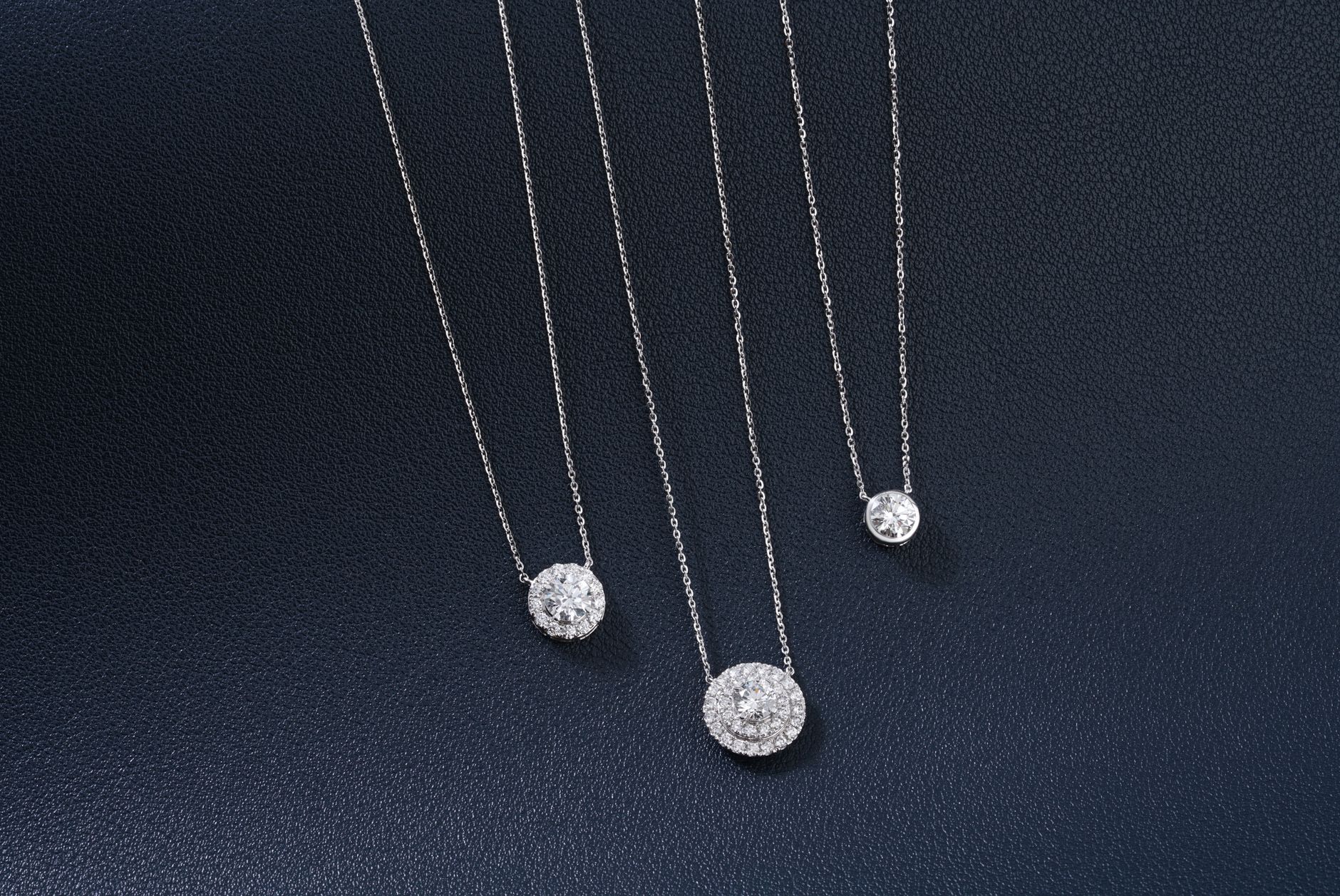
A jeweler can measure the chain, inspect its construction, weigh it, and screen its metal without damaging it. These checks can document a short chain, but the measurement must follow the seller's stated length convention. Ask for nondestructive testing, meaning inspection that does not scratch, cut, polish, or permanently alter the necklace. Preserve the chain's return condition until the seller responds.
Table of Contents
- Measure the chain before testing the metal
- What a jeweler can inspect without alteration
- Nondestructive metal screening and its limits
- Tests to avoid before a return
- Get documentation the seller can evaluate
Measure the chain before testing the metal
Close the clasp and place the necklace in a naturally straight line on a flat, calibrated measuring surface. Do not pull the links tight. Record the full end-to-end length, including functional clasp hardware, unless the listing defines another method.
Check the product description for terms such as "16 inches plus 2-inch extender." That usually describes a 16-inch base chain with an adjustable maximum length of about 18 inches. A pendant or dangling charm normally does not add to chain length. Manufacturing tolerances may explain a small difference, but tolerances are not universal. Compare the measured result with the listing, packaging, receipt, and any tolerance the seller disclosed before purchase.
What a jeweler can inspect without alteration
A jeweler can examine the necklace under magnification for missing links, shortened sections, replacement clasps, repair joints, uneven solder, and signs that the chain was previously modified. This inspection helps distinguish a manufacturing or listing issue from later alteration.
The jeweler can also record: Weight and dimensions can support a comparison with the seller's specifications. They do not establish the original advertised length on their own.
- End-to-end length and measuring method
- Weight on a calibrated scale
- Link width, wire thickness, and clasp dimensions
- Hallmarks and their exact locations
- Hollow, solid, plated, or mixed-component construction
Nondestructive metal screening and its limits
X-ray fluorescence, commonly called XRF, can estimate the elements present at the tested surface. A jeweler or assay service may test several links, end caps, and the clasp because solder, plating, and separate components can produce different readings. XRF does not reveal the complete composition deep inside every link. Thick plating can conceal a different core, while solder may show a lower precious-metal reading than the surrounding chain.
Results should identify each test location and state that the method primarily measures surface composition. A magnet provides only a basic screening test. Strong attraction may indicate iron or steel, but a clasp can contain a small steel spring even when the visible jewelry parts are gold. A hallmark such as "14K" or "925" is also supporting evidence, not independent proof of purity.
Tests to avoid before a return
Some traditional tests permanently mark or consume metal. Do not authorize them if you may return the necklace or dispute its condition.
Density testing is theoretically nondestructive, but it is often unreliable for chains. Hollow links, trapped air, mixed-metal clasps, solder, and attached stones can distort the calculation.
- A touchstone test removes a small amount of metal by rubbing the item on stone.
- Acid applied directly to the chain can stain or etch it.
- Filing or cutting exposes the interior but leaves permanent damage.
- Fire assay requires removing and consuming a sample.
- Polishing can erase surface evidence and change the item's return condition.
Get documentation the seller can evaluate
Ask the jeweler for a dated written report rather than a verbal opinion. It should describe the necklace, measurement setup, clasp position, observed length, scale reading, inspection findings, and any instrument used. Photographs should show the entire chain beside the measuring scale without tension, plus close views of the clasp, hallmarks, and suspected repairs.
Keep screenshots of the original listing and photograph the packaging label before a return window closes. Do not remove links, replace the clasp, clean the chain aggressively, or authorize a repair before contacting the seller. If the listing does not explain how length is measured, ask the seller to provide its convention and disclosed tolerance in writing.