
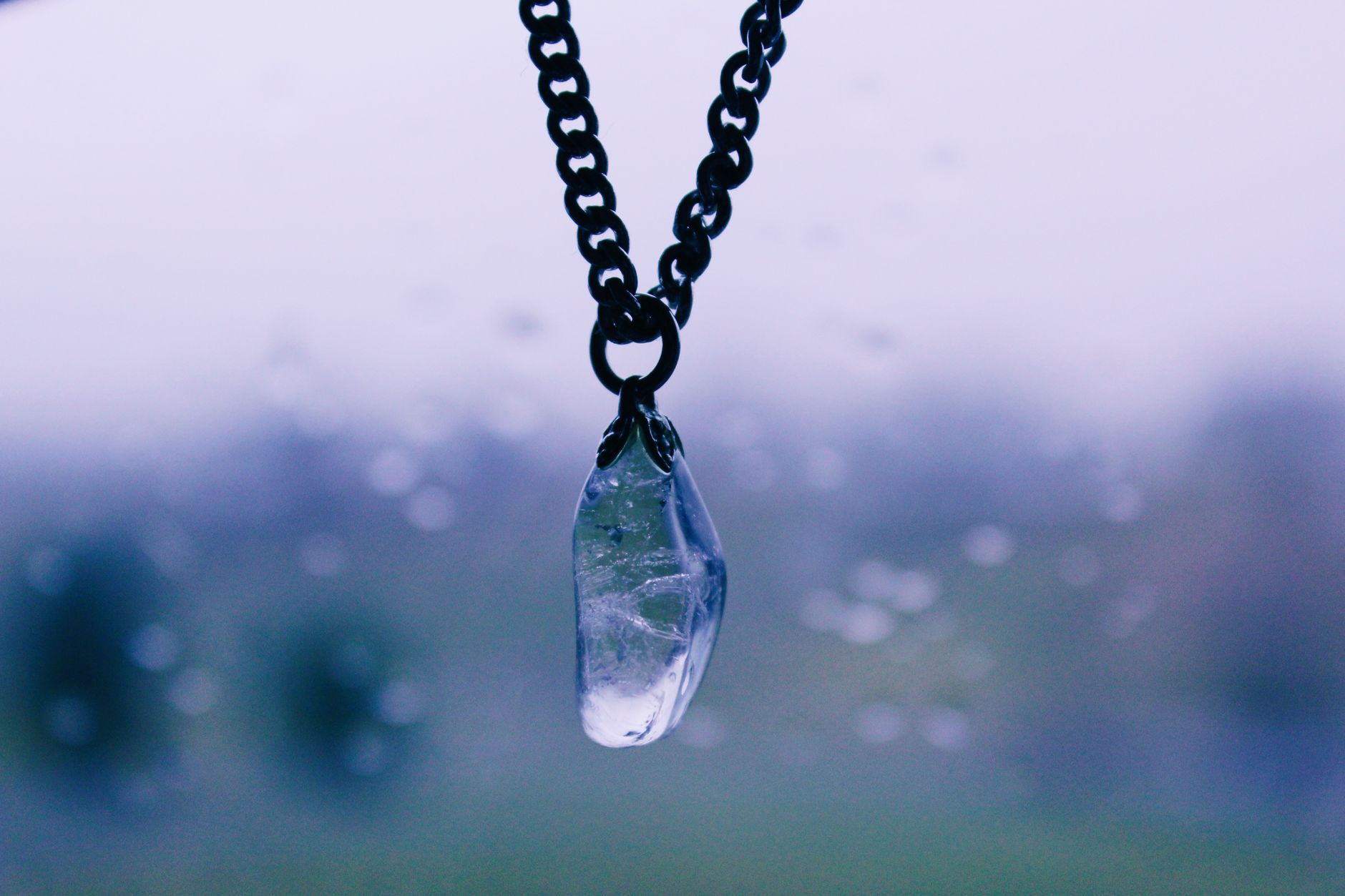
A gemstone pendant necklace can be durable enough for everyday wear. Yes, provided the stone, setting, metal, and chain suit the wearer's routine. Pendants usually face fewer impacts than rings or bracelets, but they can still strike desks, snag on clothing, or contact cosmetics. Durability therefore depends on the entire necklace, not just the gemstone.
Table of Contents
- Which Gemstones Handle Daily Wear?
- How the Setting Protects the Stone
- Metal and Chain Strength Matter
- When Should You Remove It?
- A Practical Buying and Care Check
Which Gemstones Handle Daily Wear?
gemstone durability has three parts: resistance to scratches, resistance to chips and fractures, and overall stability against heat, light, and chemicals. The Mohs hardness scale measures only scratch resistance, so a high rating does not guarantee that a stone cannot chip. Diamond, sapphire, and ruby generally make strong everyday choices. They resist common scratches, although a hard blow can still damage an edge, exposed point, or existing fracture. Emerald, aquamarine, topaz, tanzanite, opal, and moonstone require more caution.
Some scratch more readily, while others can split or chip along vulnerable internal structures. Pearls and amber are especially sensitive to abrasion, chemicals, and careless storage. Treatments also matter. Heat treatment is common for some gems, while fracture filling, dyeing, coating, or oiling may change cleaning requirements. Ask the seller to identify the stone and disclose known treatments before treating any pendant as low-maintenance jewelry.
How the Setting Protects the Stone
A bezel setting surrounds the gemstone's edge with metal and usually offers the most protection. It is particularly useful for softer stones, cabochons, and pendants worn during active days. Prong settings allow more light to reach the stone but leave more of its edge exposed.
Fine prongs can also bend or wear down. A loose stone, lifted prong, or faint clicking sound calls for prompt inspection. The design should protect vulnerable features without making cleaning difficult. Sharp gemstone corners, pointed drops, and stones that extend beyond the metal frame face greater impact risk than rounded shapes set within a substantial border.
Metal and Chain Strength Matter
gold, platinum, and sterling silver can all support everyday pendants, but construction matters as much as metal choice. Higher-purity gold is generally softer, while alloyed gold usually resists deformation better. Sterling silver can serve well but may tarnish and show surface scratches.
A pendant also needs a chain suited to its weight. A very fine chain may look elegant yet provide little margin against snags, especially with a heavy gemstone or large metal setting. Check the necklace's small connection points:.
- The bail should be thick enough to resist spreading or wearing through.
- Jump rings should be securely closed or soldered where appropriate.
- The clasp should close fully without sticking.
- The chain should not show flattened, stretched, or separated links.
- The pendant should move freely without scraping repeatedly against the clasp.
When Should You Remove It?
Everyday jewelry does not have to mean uninterrupted wear. Removing a pendant during high-risk activities can prevent damage that no gemstone rating or precious-metal label can rule out.
Take the necklace off before: Store the necklace flat or hanging separately so its chain cannot knot around other jewelry. Keep softer gemstones away from diamonds and other hard stones that may scratch them.
- Sleeping, if the chain may twist, kink, or catch
- Swimming, especially in chlorinated pools
- Contact sports, lifting, or strenuous exercise
- Showering or applying lotions, perfume, sunscreen, or hair products
- Cleaning with bleach, ammonia, or other strong household chemicals
A Practical Buying and Care Check
For frequent wear, prioritize a durable gemstone, a protective setting, and a chain proportionate to the pendant. A smaller sapphire in a bezel on a sturdy chain may tolerate daily life better than a large, exposed opal on a delicate chain. Before buying, confirm the gemstone identity, disclosed treatments, metal type, setting style, return terms, and recommended cleaning method.
An independent jeweler can inspect an expensive or heirloom piece when its construction or condition is uncertain. Examine a daily-wear necklace regularly under good light. Stop wearing it if the stone moves, prongs catch on fabric, the bail thins, the clasp opens unexpectedly, or chain links begin to distort.
You Might Also Like
- What Is New With Necklaces and Chains Jewelry in August 2026? Latest maker records and gem lab guidance and Key Takeaways
- Necklaces and Chains Jewelry FAQ for August 2026: Source-Checked Answers to Common Questions
- Necklaces and Chains Jewelry Explained for 2026: Who It Affects, Key Evidence, and What to Do Next