
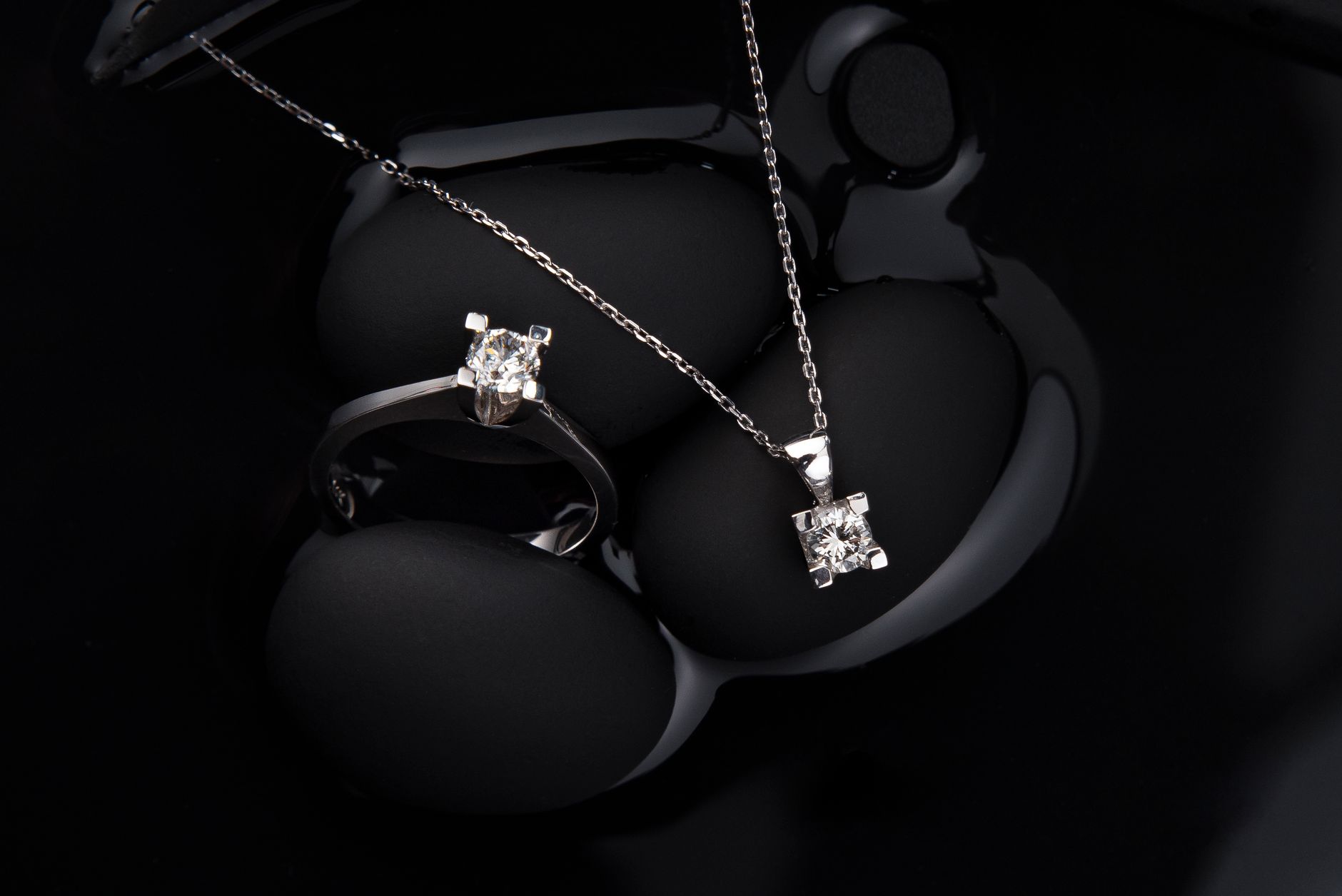
Soak the ring in warm water with a drop of mild dish soap for several minutes. Lift dirt with a soft brush, rinse in clean water, and dry with a lint-free cloth. An engagement ring is a precious-metal band that holds a center stone in a setting. This gentle method fits plain gold, platinum, and diamond rings best, while softer stones and antique settings need extra care.
Table of Contents
- A Simple Method for Most Diamond Rings
- How Do Metal and Stone Change the Routine?
- What Should You Avoid at Home?
- When Does a Ring Need a Jeweler?
A Simple Method for Most Diamond Rings
Gather a small bowl, warm water, mild dish soap, a soft baby toothbrush, and a lint-free cloth. Lint-free means the cloth will not shed fibers onto the metal or stone. Close the sink drain or work over the bowl so the ring cannot slip away.
Dish soap lifts skin oil, sunscreen, and daily buildup without harsh chemicals. The soft brush reaches under the setting where dirt dulls sparkle. Let the ring cool and dry fully before wearing or storing it.
- Mix warm water with one drop of mild dish soap.
- Soak the ring for several minutes to loosen oil and lotion.
- Brush gently around the stone, under the setting, and along the band.
- Rinse in clean warm water and pat fully dry with the cloth.
How Do Metal and Stone Change the Routine?
Harder stones such as diamond, ruby, and sapphire usually handle the soap soak well. Gold scratches easily, so use light pressure and a very soft brush. Platinum is tougher but can develop a soft gray surface, called patina, with regular wear. Softer or treated stones need a lighter touch.
Pearls, opals, emeralds, turquoise, and cameos can crack, fade, or absorb water and soap. For those rings, skip soaking and wipe the stone with a barely damp cloth, then dry it at once. White gold often has rhodium plating, a thin bright coating that improves color. Hard scrubbing can wear that coating faster. If the band looks yellow near edges, ask a jeweler about replating rather than scrubbing harder.
What Should You Avoid at Home?
Keep bleach, chlorine, and harsh bathroom cleaners away from precious metal and stones. They can pit gold, weaken prongs, and harm porous stones. Skip toothpaste, baking soda paste, and abrasive powders, which can scratch metal and dull polish. Do not use paper towels, tissues, or stiff brushes on the ring.
Paper fibers can leave residue, and rough surfaces can scratch high-polish gold. Avoid very hot water, which can loosen some adhesives and shock fragile stones. Use home ultrasonic cleaners with care. Vibration can shake loose small accent stones, pavé work, or older settings. Skip them for rings with loose stones, chipped girdles, cracked stones, or glued parts.
When Does a Ring Need a Jeweler?
Choose professional care when the stone moves, a prong looks bent, or light catches unevenly under the stone. These signs can point to a loose setting or trapped buildup. A jeweler can check tightness, clean beneath the setting, and reshape worn prongs. Bring heirloom, antique, or heavily detailed rings for cleaning rather than scrubbing them at home.
Thin prongs, hand engraving, and tiny accent stones damage easily. A professional can also check rhodium wear, band thinning, and clasp or gallery weakness. Make inspection part of regular wear, especially for daily-worn rings. Look at the stone from the side and listen for rattling near your ear. If a prong catches on cloth or the stone shifts, stop wearing the ring and take it in.