
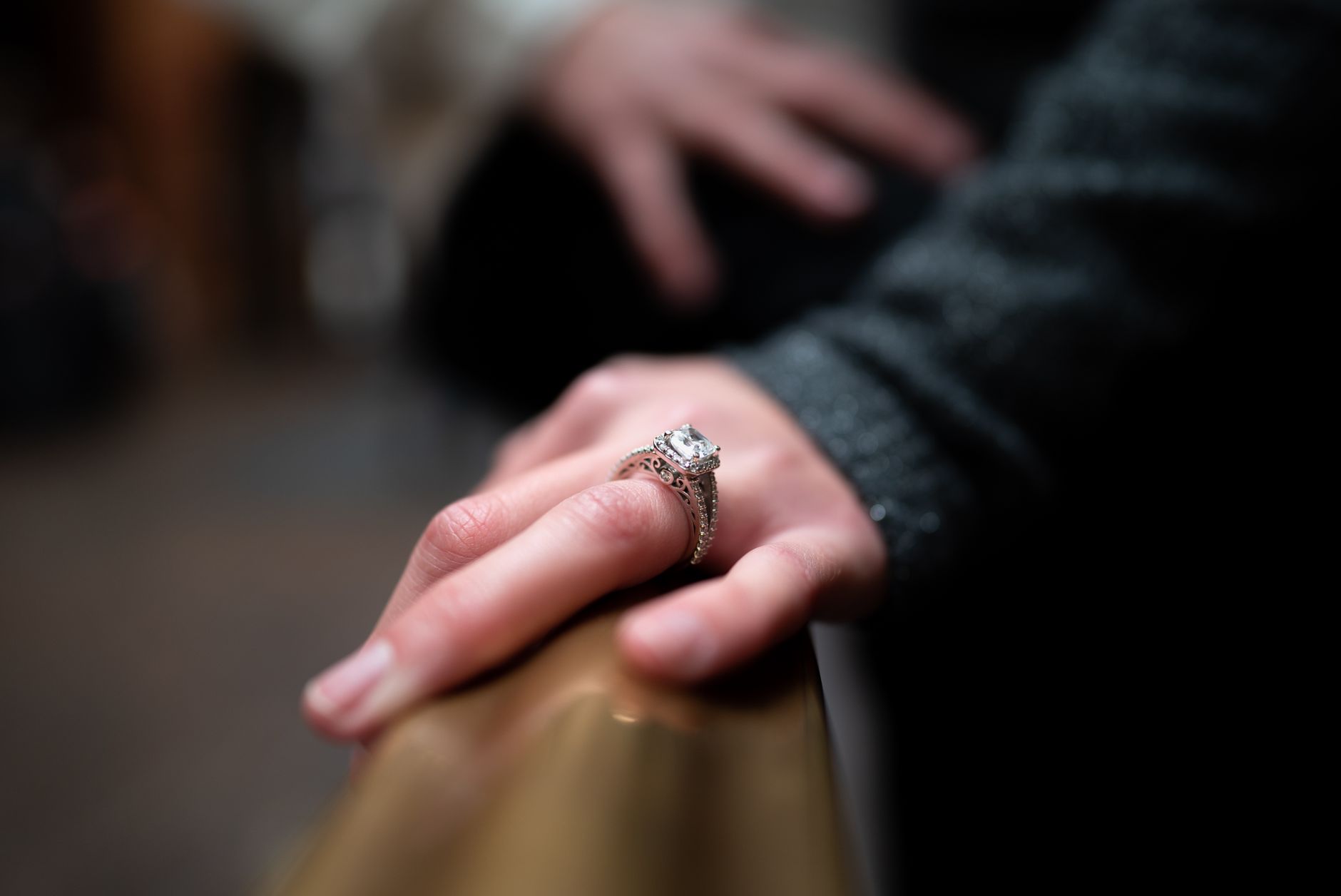
The most costly engagement ring mistakes are choosing size over cut quality, picking a soft metal for daily wear, and ignoring certification, fit, and return terms. An engagement ring is a ring given when a couple decides to marry, and most people wear it every day for years. A small change in cut, metal, or setting changes sparkle, comfort, and upkeep. A careful check before payment protects both meaning and money.
Table of Contents
- Why does cut matter more than size?
- Which metal suits daily wear?
- How do you get fit and setting right?
- What should you confirm on paper?
- How do you stay on budget without regret?
Why does cut matter more than size?
Cut means how well the stone's faces return light, not its shape or weight. A well-cut smaller stone often looks brighter and cleaner than a larger dull stone.
Ask to see stones in normal room light, not only under bright spotlights. Compare two options side by side, then choose the livelier stone that still fits the budget.
Which metal suits daily wear?
Daily wear brings knocks, soap, sweat, and hand cream. Soft, thin bands bend faster, high polished finishes show scratches sooner, and some skin reacts to certain alloys.
Platinum is dense and holds its shape well, but it can develop a soft gray surface over time. Lower-karat gold resists bending better than higher-karat gold because it contains more strengthening alloy. Ask about thickness, hardness, and care needs before choosing a slim or highly detailed band.
How do you get fit and setting right?
Finger size shifts with heat, cold, exercise, and time of day. A ring that spins, pinches, or catches on clothes will spend more time in a box than on a hand.
Choose a setting that fits work and habits. A low, secure setting suits hands-on jobs, nursing, sports, and gloves. A high or narrow-prong setting can snag and may need more frequent checks.
- Try the exact width and profile before ordering
- Check finger comfort sitting, gripping, and with cold hands
- Ask how resizing, tightening, and cleaning are handled
What should you confirm on paper?
A grading report is an independent record of a center stone's key traits, separate from a store appraisal or sales card. It helps you compare stones fairly and supports insurance and resale records.
Read what the paper covers and what it leaves out. Confirm whether the stone is natural or lab-grown, what treatments it has, and what the store's return, exchange, resizing, and damage terms allow.
- Stone identity, weight, shape, and treatments
- Metal type and karat or purity mark
- Return period, fees, and warranty limits in writing
How do you stay on budget without regret?
Decide the total limit first, including tax, sizing, engraving, warranty, and future maintenance. A slightly smaller stone or simpler setting often allows better cut, sturdier metal, and correct paperwork within the same total.
Do not let financing, upgrades, or add-ons decide for you. Ask the jeweler to put metal type, stone details, and warranty terms on the receipt before you pay.