
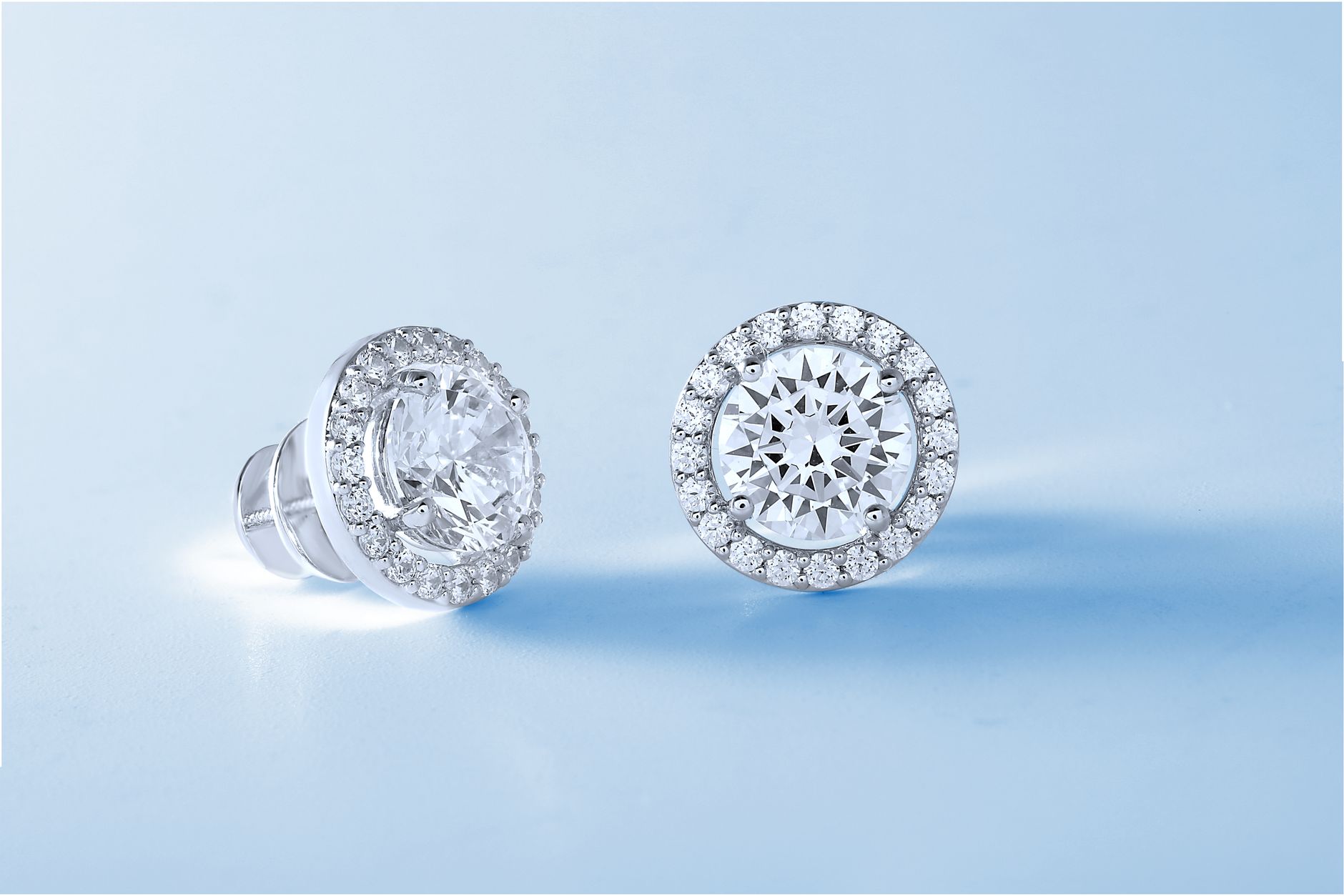
Choose a lab-grown diamond — a diamond created in a laboratory with the same carbon structure as mined diamond — if appearance and size matter most to you. Choose a natural diamond, formed in the earth and recovered by mining, if rarity, tradition, or long-term perception of value matter more. Both can make a durable engagement ring. The difference lies less in chemistry than in origin, market behavior, and personal meaning.
Table of Contents
- What Is Actually Different?
- How Will It Look on the Hand?
- Which Holds Value Over Time?
- What About Origin and Responsibility?
- How Do You Make the Final Choice?
What Is Actually Different?
A lab-grown diamond is not imitation. It has the same hardness, sparkle, and chemical makeup as a natural diamond. Jewelers test origin with specialized instruments, not with the naked eye.
The main physical difference is growth history. Lab growth can leave different trace patterns than earth growth. Grading reports note origin and describe cut, color, clarity, and weight.
How Will It Look on the Hand?
Cut quality shapes brightness more than origin does. A well-cut stone of either type returns light sharply and hides small tints. Setting style, metal color, and stone shape also change what you see.
Ask to compare stones side by side in daylight. Look at overall balance, not only grade letters. Small differences in proportions often matter more than origin.
Which Holds Value Over Time?
Neither type works as a guaranteed investment. Resale depends on size, quality, demand, paperwork, and where you sell. Many owners keep the ring rather than resell it.
Natural diamonds have a longer resale history because they have traded longer. Lab-grown diamonds trade in a newer and changing market. If future resale matters, weigh quality, documentation, and realistic expectations before buying.
What About Origin and Responsibility?
Mined diamonds affect land and communities near mines. Laboratory diamonds use energy and manufactured equipment.
Either path can raise concerns about labor, land, or power use. No purchase can remove every impact. Useful checks include:.
- independent grading report stating natural or lab-grown origin
- clear disclosure of treatments, if any
- written return, warranty, and upgrade terms
- metal sourcing information for the setting
How Do You Make the Final Choice?
Start with budget, finger comfort, and daily wear. Then decide what meaning you want the stone to carry.
Some buyers prize earth origin; others prefer avoiding mining. Bring three questions to the jeweler: Keep the report, receipt, and appraisal together for insurance.
- Is this stone natural or lab-grown, and what proves it?
- How was the cut graded for light performance?
- What will service, resizing, and maintenance cost later?