
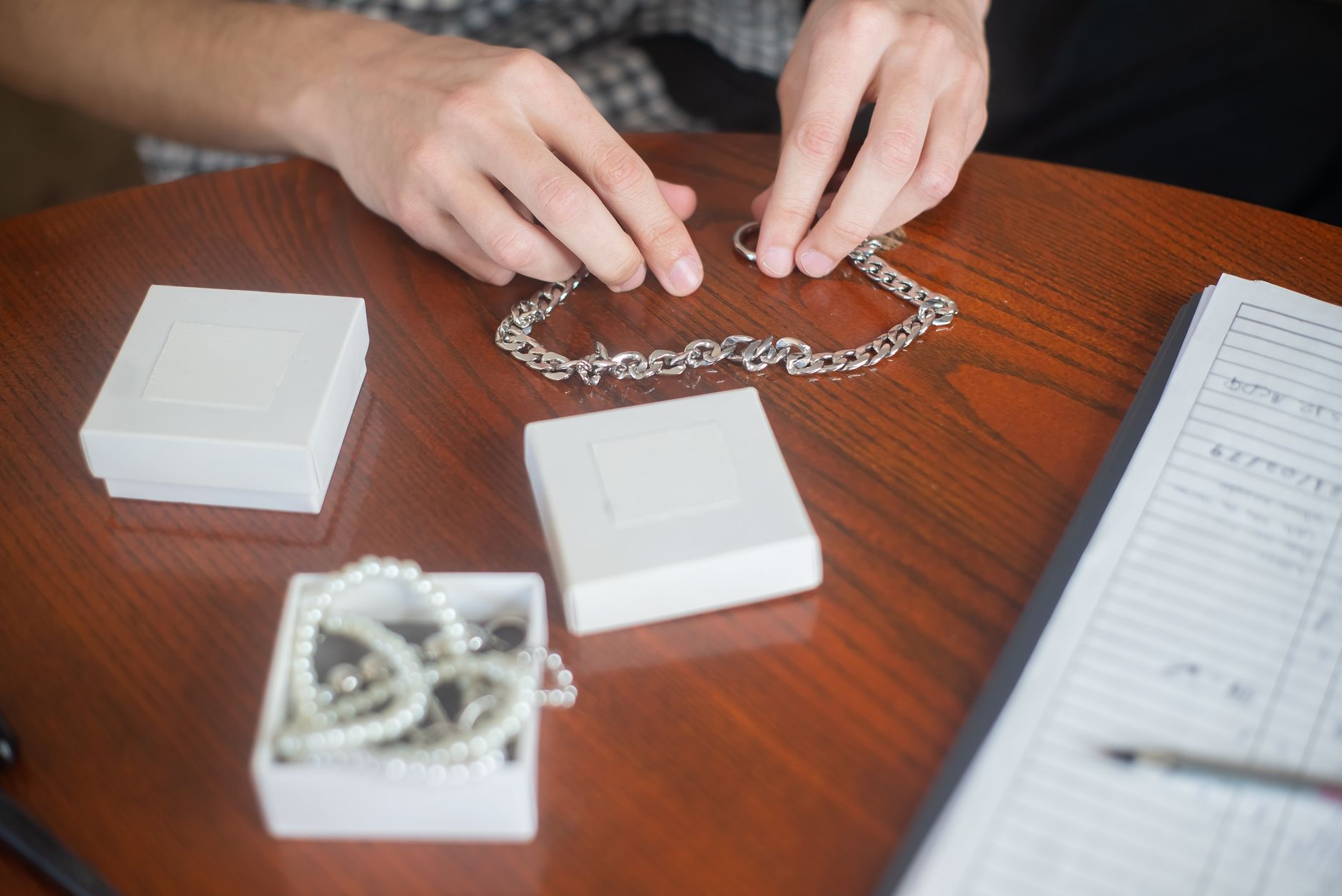
Check a Facebook jewelry seller by confirming their identity, sales history, return terms, and payment protections before sending money. Then verify the ring's gemstone, metal, condition, and any laboratory report against the item actually offered. A polished profile, large following, or convincing video does not prove that a seller owns the ring or described it accurately. Treat the listing, seller, payment method, and delivery process as separate checks.
Table of Contents
- Confirm Who Is Selling the Ring
- Pin Down What the Listing Actually Promises
- Check Reports, Appraisals, and Value Claims
- Protect the Payment and Return
- Inspect the Ring Before the Return Window Closes
Confirm Who Is Selling the Ring
Identify the person or business that will receive your payment. Ask for the seller's full name, business name, location, phone number, and website, if applicable. Check whether those details remain consistent across the profile, invoice, payment account, and shipping label. Review the account's history, not just its follower count. Look for older jewelry posts, detailed customer interactions, and consistent contact information.
A recently created account, abrupt name changes, copied descriptions, or unrelated earlier content deserves caution. Search the seller's name, phone number, email address, and listing text outside Facebook. Use a reverse-image search on the product photos. The same images appearing under different seller names or on unrelated retail sites may indicate a copied listing. Ask the seller to provide a new photograph showing the ring beside a handwritten note with the current date and your name. For an expensive ring, request a live video that shows the stone, setting, hallmarks, and any report number in one continuous view.
Pin Down What the Listing Actually Promises
Get the description in writing before paying. "Ruby ring" may mean a natural ruby, a laboratory-grown ruby, a treated stone, or a red imitation. Those products can look similar in photographs but differ greatly in rarity and resale prospects. Ask for these details: A hallmark such as "14K" or "750" is useful but not conclusive.
Marks can be incorrect, counterfeit, or attached to a piece containing solder and replacement parts. Plated jewelry can also be described vaguely as "gold" without being solid gold. Be cautious when lighting, filters, or close-up lenses make the gemstone appear unusually vivid. Ask for unedited images in indirect daylight and ordinary indoor light. A ruler or caliper beside the ring helps establish scale.
- Whether the gemstone is natural, laboratory-grown, or an imitation
- Any known heat, fracture filling, dyeing, irradiation, coating, or other treatment
- Stone weight, dimensions, cut, color, clarity, and visible damage
- Metal type, fineness, ring size, total weight, and hallmark
- Whether stones are loose, chipped, replaced, or repaired
Check Reports, Appraisals, and Value Claims
A gemstone laboratory report records findings about a submitted stone, such as identity, origin of growth, and detectable treatments. It is not the same as a seller's appraisal, which usually gives an opinion of replacement value and may contain limited gemological testing. If the seller provides a report, confirm that its identifying details match the ring. Compare the gemstone's dimensions, weight, shape, color, inscriptions, and photographs. When the laboratory offers online verification, enter the report number on the laboratory's official website rather than following a seller-supplied link.
Read the report's wording carefully. "Natural" does not mean untreated, and a geographic-origin opinion does not guarantee quality. Reports also vary in scope, and one for a loose stone may not describe the current mounting or metal. Do not treat an appraisal figure as a likely resale price. Insurance replacement values, asking prices, auction estimates, and cash offers answer different questions. If value materially depends on the seller's claims, make the purchase contingent on inspection by an independent gemologist or jeweler during the return period.
Protect the Payment and Return
Read the return policy before paying and save a copy. Confirm when the return clock starts, whether you need authorization, who pays insured shipping, and whether restocking or sizing fees apply. Ask what happens if the ring differs from its description or arrives damaged. Use a payment method that provides a documented dispute process for goods not received or materially misrepresented. Check the current terms for the exact Facebook checkout option or card issuer involved, because protection can depend on the transaction type and location.
Avoid payment methods designed for trusted personal transfers when dealing with an unknown seller. Wire transfers, cryptocurrency, gift cards, cash deposits, and "friends and family" payments can leave little practical recourse. Pressure to move off-platform or pay immediately is a warning sign. The invoice should identify the exact ring and repeat the important claims, including gemstone type, treatments, metal fineness, price, return terms, and shipping method. Never rely on a disappearing story, edited post, or verbal promise as the only record.
Inspect the Ring Before the Return Window Closes
Save the listing, messages, invoice, payment receipt, shipping record, and unpacking photographs. Record the unopened parcel and the ring's condition if the purchase is expensive or the package appears damaged. Do not resize, polish, repair, or remove identifying tags until you decide to keep it. Compare the delivered ring with the listing and report.
Check its size, weight, hallmarks, stone measurements, visible inclusions, setting, and condition. Report discrepancies promptly through the payment provider's stated process rather than continuing an open-ended negotiation. For a high-value purchase, arrange an independent examination in advance so it occurs within the return period. Ask the examiner to verify gemstone identity, detectable treatments, metal fineness, condition, and consistency with the supplied documents. If the seller refuses written terms, verifiable item evidence, or a protected payment method, do not send a deposit merely to hold the ring.