
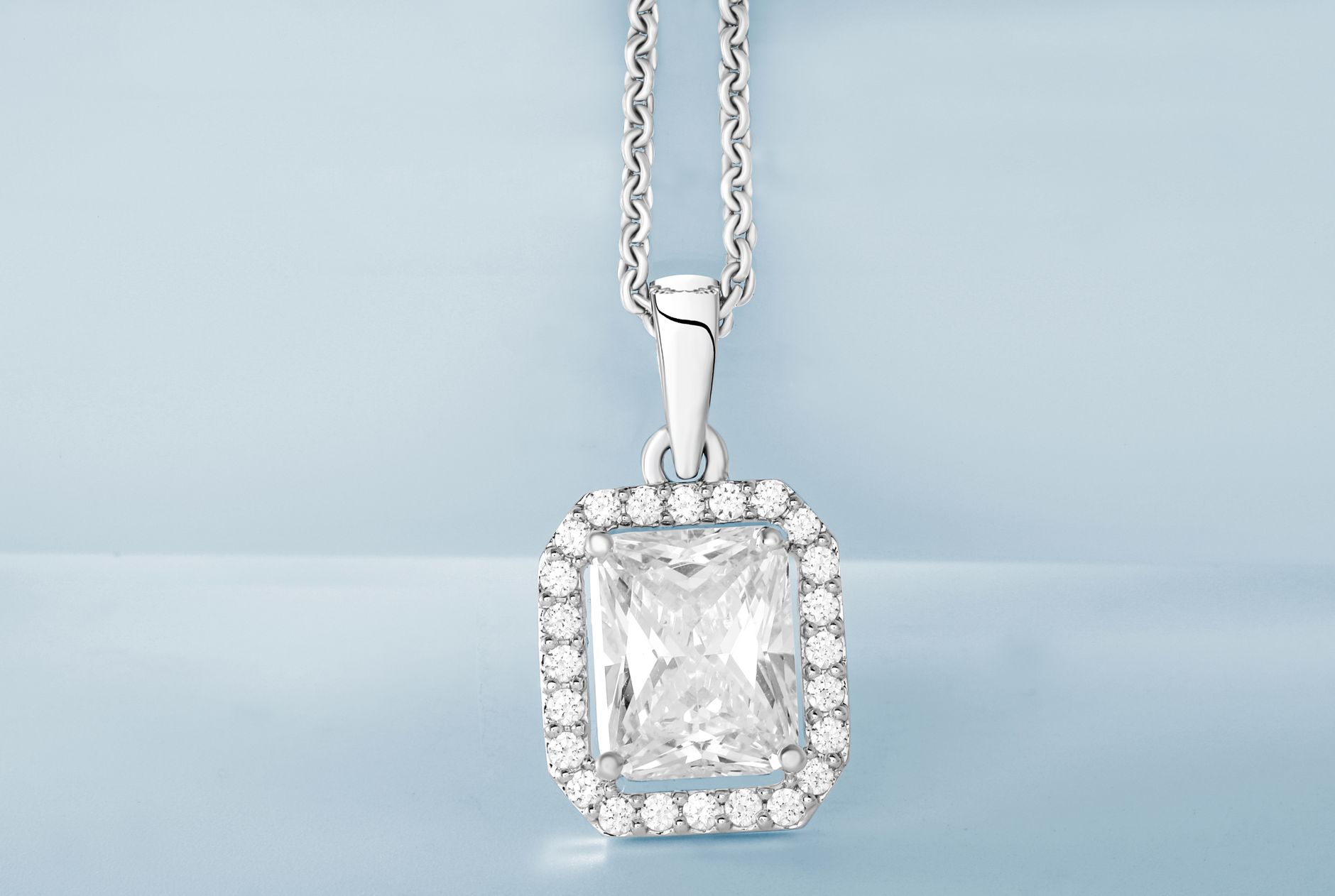
Choose a halo gemstone ring by checking stone security, fit, cleaning limits, and likely repair needs before buying. A halo ring surrounds a prong- or bezel-set center gem with smaller accent stones, which adds sparkle but also creates more points requiring maintenance. Inspect the ring's workmanship closely and get written care information for every gemstone and treatment. These details affect daily comfort, safe cleaning, and whether future repairs can be completed without damaging the stones.
Table of Contents
- Check Every Stone Setting
- Protect Vulnerable Center-Gem Corners
- Judge Fit and Daily Comfort
- Clean the Halo Without Risking Its Gems
- Plan for Inspection and Repair
Check Every Stone Setting
Ask the jeweler to inspect the center setting and the entire halo, not just the ring's appearance. According to GIA, short prongs or prongs that do not contact a stone properly create a high risk of loss; stone seats also require careful examination in its workmanship guidance.
check for: Smooth, correctly positioned prongs both secure the gems and reduce snagging on clothing or hair. Treat poor finishing as a durability concern, not merely a cosmetic flaw.
- Prongs that touch and securely cover each stone
- Stones that remain still under gentle handling
- Smooth prong tips without sharp or raised edges
- Evenly positioned stones and properly formed seats
Protect Vulnerable Center-Gem Corners
Pointed shapes require extra protection because their tips and corners are vulnerable to chipping. gia identifies bezels, partial bezels, and V-prongs as better options for protecting those areas in its guidance on diamond chipping.
Examine whether every point sits inside a protective setting rather than extending into an exposed impact area. A design that looks delicate may still be secure, but the setting must provide meaningful coverage at each vulnerable corner.
Judge Fit and Daily Comfort
The ring should pass over the knuckle while remaining snug enough that it will not fall off. A wide shank commonly requires a larger size, so do not rely automatically on the size of a narrower ring.
Try the ring on with attention to both the band and halo. Check whether the halo presses neighboring fingers, whether raised prongs catch, and whether the ring remains comfortably positioned. Fit cannot correct weak stone settings, but poor fit can make an otherwise secure ring impractical to wear.
Clean the Halo Without Risking Its Gems
For most intricate halo rings, use warm water, mild soap, and a soft brush. Small gaps around the accent stones trap dirt, so periodic professional cleaning can reach details that home cleaning misses, as GIA explains in its guide to ring settings. Do not assume an ultrasonic cleaner is safe simply because the center stone can tolerate it.
Ultrasonic action can loosen insecure stones and may harm fracture-filled, coated, impregnated, organic, heat-sensitive, or temperature-sensitive gems, according to GIA's ultrasonic-cleaning guidance. Before using any machine, identify every center and accent stone and confirm all treatments. When that information is incomplete, use the mild hand-cleaning method and consult the jeweler.
Plan for Inspection and Repair
A prong-set halo needs periodic inspection and may eventually require stone tightening or prong re-tipping. Bent or worn prongs can leave even a diamond insecure, so stop wearing the ring and seek an inspection when a stone moves or a prong appears damaged.
Obtain written disclosure of gemstone treatments and matching care instructions when buying. Treatments can change value, durability, cleaning limits, and repair options. In particular, wax or plastic impregnation can be damaged by the heat of a jeweler's torch, so give the repairer this information before work begins.