
Custom jewelry is a one-of-a-kind piece designed around your hand, neckline, stones, or idea. The process moves from consultation and drawings to a digital or wax model, then casting, stone setting, and polish. Most work happens before metal is poured. Clear approvals at each stage help control fit, look, and rework.
Table of Contents
- What does the first consultation decide?
- How do drawings and CAD shape the piece?
- How is the piece actually built?
- What should you confirm before work starts?
- How do revisions and timing work?
What does the first consultation decide?
The consultation turns a loose idea into a buildable plan. You discuss wear, style, metal family, main stones, and practical limits like work with hands or sensitivity to certain alloys.
The jeweler will also check finger size, chain length, or ear placement. These early measures shape comfort and proportion more than any later polish can. Bring items that show direction and constraint:.
- photos or sketches you like, plus notes on what to change
- existing stones or heirloom pieces you may reuse
- fit notes, such as low profile, secure setting, or easy cleaning
How do drawings and CAD shape the piece?
A sketch comes first to test shape, profile, and stone layout. It shows top, side, and scale views so you can judge height, width, and coverage on the hand or neck. Many shops then build a CAD model, which means a measured 3D drawing on screen.
CAD allows precise changes to shank thickness, prong placement, gallery support, and engraving space before any metal is used. You may see a wax or resin print for size and feel. Plastic or wax shows bulk and fit, but it will not show final shine, color, or sparkle.
How is the piece actually built?
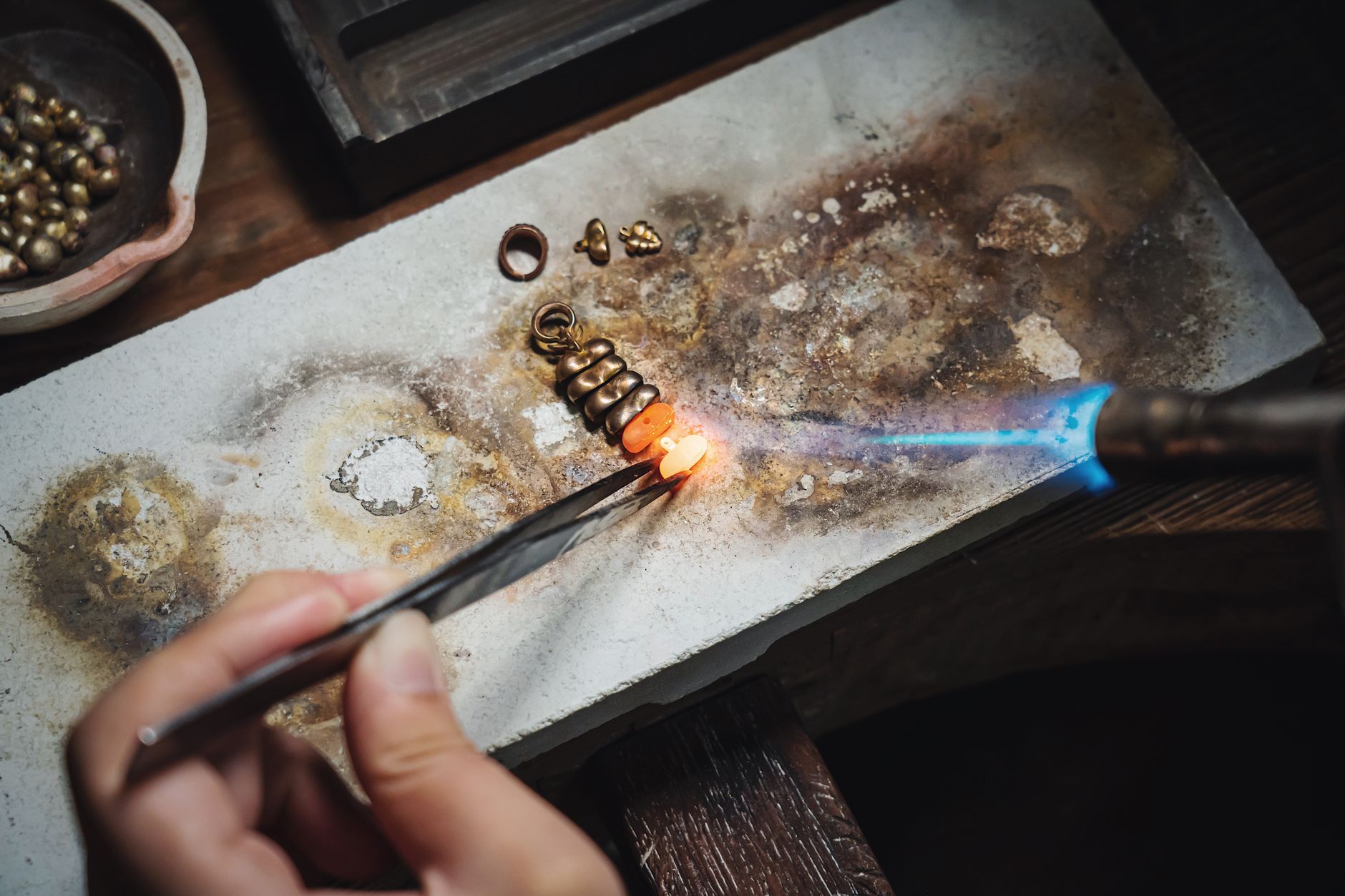
Once you approve the model, the shop casts or fabricates the metal form. Casting pours molten precious metal into a mold made from the approved model, while fabrication builds the form from wire and sheet by sawing, bending, and soldering. After the basic form exists, the setter cuts seats and fixes the stones.
Prongs, bezels, channels, and pavé each hold stones in a different way and allow different levels of exposure and protection. Finishing follows setting and includes filing, smoothing, polishing, and any texture or engraving. The piece is then cleaned, checked for loose stones, sharp edges, and even finish, and sized if needed.
What should you confirm before work starts?
Written approval prevents the most common disputes. Confirm metal type and fineness, stone identities and sizes, overall dimensions, and what is included in the quoted work.
Ask how the shop handles small shifts during making. A clear policy states how many design rounds are included, what counts as a change, and when a new model or fee applies. Confirm these points in writing:.
- final sketch or CAD views with measurements and stone layout
- metal, stone details, finish, engraving text, and size
- delivery plan, care limits, and warranty or service terms
How do revisions and timing work?
Expect at least one revision point after sketches and one after CAD or model. Small tweaks to width, height, or detail are normal at these gates and cost less than changes after casting. Timing varies with shop workload, stone sourcing, and design complexity.
Hand engraving, matching side stones, and reuse of customer metal or melee often add steps for testing and fitting. Hold production until the model looks right from top and side views. Ask for care instructions for your specific metals and stones when you pick up the piece.