
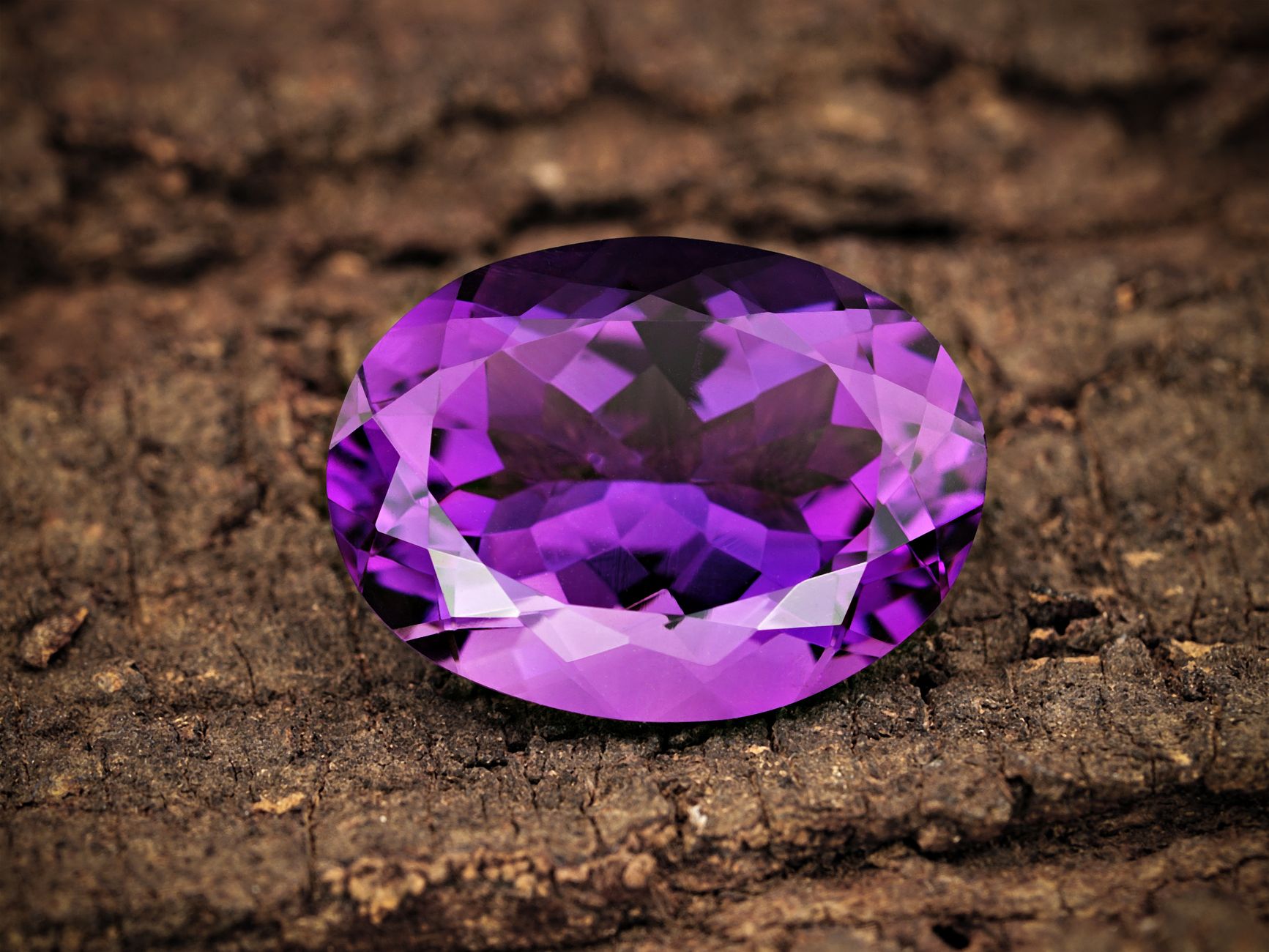
A strong holiday birthstone gift pairs the correct stone for the recipient's birth month with a metal and setting suited to daily wear. This checklist walks through stone choice, durability, quality checks, and sizing so buyers can decide with confidence. A birthstone is a gem traditionally linked to a calendar month, such as amethyst for February or sapphire for September.
Holiday timelines leave little room for resizing or exchanges. Personal taste still matters more than the calendar link. Use the stone as a starting point, then match the piece to how the recipient dresses and lives.
Table of Contents
- Match the Stone to the Birth Month
- Choose Metal and Setting for Daily Wear
- Check Quality, Treatments, and Marks
- Get Size, Timing, and Returns Right
Match the Stone to the Birth Month
Start with the standard month-stone pairing. January links to garnet, April to diamond, July to ruby, and November to topaz and citrine. When a month has more than one accepted stone, pick the color and hardness the recipient will wear most.
Many buyers choose a child's or partner's birthstone rather than the wearer's own. That choice works well for pendants, lockets, and stackable rings. Ask for the exact gem name on the receipt to avoid confusion between similar stones like topaz and citrine.
- Confirm the recipient's birth month and spelling of the stone
- Decide between wearer's stone and family stone
- Choose the color variant where a month allows two or three options
Choose Metal and Setting for Daily Wear
Gold, platinum, and sterling silver each suit different needs. Gold offers color choices in yellow, white, and rose and resists tarnish in higher karats. Platinum is denser and holds prongs well, while sterling silver costs less but needs regular polishing. Setting shapes protection.
A bezel surrounds the gem edge and snags less than high prongs. Lower profiles and thicker bands also survive work, travel, and frequent handling better. Match soft stones to sheltered designs. Opal, pearl, turquoise, and moonstone scratch and chip more easily than sapphire or ruby. Reserve them for pendants, earrings, or occasional-wear rings rather than everyday rings.
Check Quality, Treatments, and Marks
Ask whether the stone is natural, lab-created, or imitation. Lab-created stones share the chemistry of mined stones, while imitations only copy color. Many common stones also receive heat or diffusion treatment to improve color.
Look for even color, clean cutting, and secure mounting under store light and daylight. Check hallmarks for metal content, such as 14K or Pt900, and read the tag for treatment notes. A clear written description protects later repair or insurance needs.
Get Size, Timing, and Returns Right
Rings need the most sizing care. Pendants, studs, and bangles avoid size risk and still carry the birthstone link. For surprise rings, borrow a well-fitting ring or choose a design that a jeweler can resize cleanly.
Confirm production time for engraving and special orders before paying. Ask about holiday return windows, exchange fees, resizing costs, and warranty coverage. Keep tags, receipts, and care instructions together for the recipient.