

Every man needs at least three belts in his wardrobe: a black dress belt for formal occasions, a brown leather belt for everyday wear, and a casual canvas or woven belt for relaxed settings. These three essentials cover the vast majority of situations men face, from business meetings to weekend errands. Beyond this foundational trio, the specific belts a man collects depend on his lifestyle, profession, and personal style—but without these three, his wardrobe remains incomplete.
Just as a luxury watch or quality timepiece serves as both a functional tool and a statement piece, a belt is far more than a practical way to hold up pants. It’s an accessory that anchors an entire outfit, influences proportions, and signals attention to detail. A man wearing a visibly inexpensive or mismatched belt undermines an otherwise polished appearance, regardless of how well his shirt or trousers fit. The craftsmanship of the leather, the quality of the buckle, and the overall construction matter as much as the color itself.
Table of Contents
- Why Quality Matters More Than You Think in Belt Selection
- Understanding the Different Leather Grades and Their Trade-Offs
- The Black Dress Belt as a Foundational Essential
- The Brown Leather Belt as Your Daily Workhorse
- Canvas, Woven, and Casual Belts: When to Use Them and Why They Can Backfire
- The Reversible or Multi-Colored Belt as a Solution for Travel and Flexibility
- Building a Belt Collection and Future Considerations
- Conclusion
- Frequently Asked Questions
Why Quality Matters More Than You Think in Belt Selection
The difference between a $20 belt and a $200 belt becomes apparent within months of regular use. A cheap belt will crack, fade unevenly, and develop creases that won’t disappear. The buckle will loosen or become misaligned, and the stitching will fray. A quality leather belt, by contrast, develops a rich patina over time—the leather actually improves with age, becoming softer and more supple while the color deepens naturally. Full-grain leather, which retains the hide’s natural surface, will show scuffs and marks, but these add character rather than detract from the belt’s appearance.
The buckle itself deserves attention that most men overlook. A solid brass or stainless steel buckle with proper weight will last indefinitely, while a thin stamped metal buckle will bend, break, or corrode. The attachment method matters too: a quality belt will have the buckle riveted or stitched securely, not glued. Consider comparing a heritage Italian leather belt to a mass-produced alternative from a fast-fashion retailer, and you’ll immediately notice the difference in weight, texture, and construction quality. The Italian belt will cost two or three times as much, but it will outlast its cheaper counterpart by years or even decades.
Understanding the Different Leather Grades and Their Trade-Offs
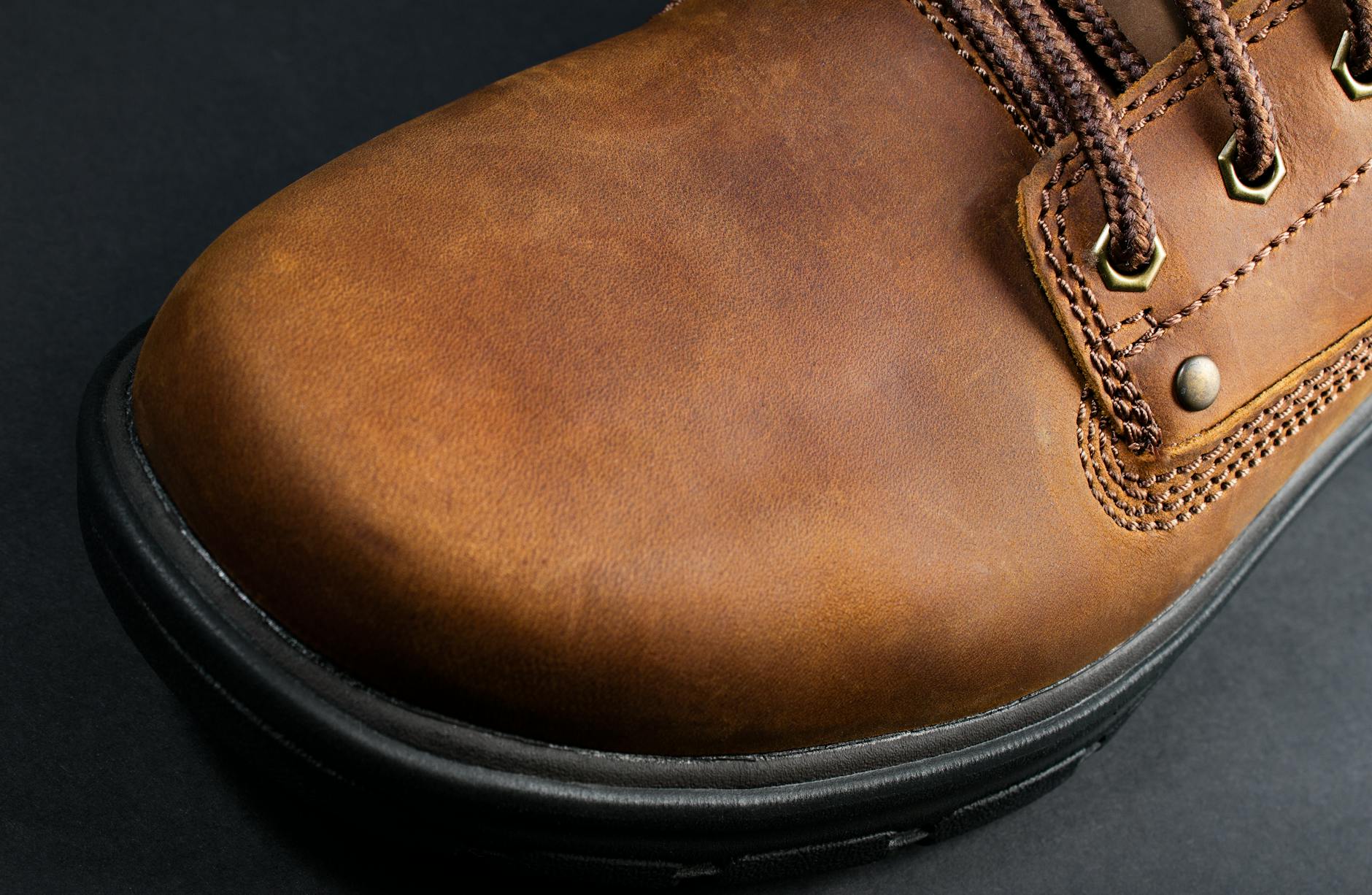
Full-grain leather is the premium option—it’s the entire hide with all its natural characteristics intact. It will develop marks, scratches, and an uneven patina, which many consider desirable but others find unrefined. The limitation is that full-grain belts are less uniform in appearance and require regular conditioning to maintain suppleness. They’re also the most expensive option and the least forgiving if you need a pristine, unblemished look.
Top-grain leather is sanded or buffed to remove surface imperfections, then often coated with a protective finish. This creates a more uniform, refined appearance that remains relatively pristine longer. The trade-off is that the protective coating eventually wears off, and the belt may then show wear more obviously. Corrected-grain leather, the budget option, is heavily processed and colored, making it look uniform and “perfect” out of the box. However, it won’t develop a natural patina, and the color coating will eventually chip or fade, revealing less attractive material beneath.
The Black Dress Belt as a Foundational Essential
A black dress belt is non-negotiable for any man’s wardrobe. It pairs with black, gray, and navy suits, making it essential for professional and formal settings. The ideal black dress belt is 1.5 inches wide or slightly narrower, with a simple metal buckle—preferably silver-toned or brushed nickel rather than gold. A thick black belt with an oversized buckle will look out of proportion with tailored dress trousers and can cheapen an otherwise refined outfit.
The best black dress belts are made from smooth leather, whether full-grain or top-grain, and should be conditioned regularly to prevent cracking. When shopping, test the belt’s flexibility: it should bend easily without creasing permanently. A leather belt that feels stiff and plasticky will likely never soften properly. One practical example is comparing a hand-stitched Italian dress belt to a machine-stitched department-store option—the Italian belt will have visible stitching that enhances its appearance, while the department-store belt will often have stitching that looks hasty and uniform in a way that signals lower quality.

The Brown Leather Belt as Your Daily Workhorse
The brown belt you reach for most often should be versatile enough to pair with jeans, chinos, and brown or tan trousers. A medium to dark brown leather is ideal—it won’t show dirt as easily as light tan, but it’s neutral enough to work with most casual and business-casual outfits. The width can be slightly wider than a dress belt, usually 1.5 to 1.75 inches, and the buckle should be understated, either polished or brushed metal.
This is where most men make a mistake: they buy one adequate brown belt and assume it will work with everything. In reality, a brown belt for formal business wear (darker, sleeker, with a simple buckle) is different from a brown belt for casual wear (can be thicker, can have more texture, can feature a more substantial buckle). If you’re buying just one, choose a medium-dark rich brown that reads as professional but can still work with jeans. Real-world trade-off: the more versatile your brown belt, the less optimized it is for any specific situation, so you might eventually want two brown belts for different contexts.
Canvas, Woven, and Casual Belts: When to Use Them and Why They Can Backfire
Canvas and woven belts serve a specific purpose—they add visual interest to casual outfits and work well with shorts, linen trousers, or relaxed weekend wear. They’re more forgiving because they don’t wrinkle or crease like leather, and they can weather staining more gracefully. A quality canvas belt with a solid metal buckle can look intentional and polished rather than like you grabbed something at a discount retailer.
The warning here is important: a cheap canvas belt with a plastic buckle or loose stitching will look exactly as cheap as it is, undermining an otherwise carefully assembled casual outfit. Canvas belts also have a narrower range of appropriate occasions—wear them too formally, and they’ll look out of place; wear them with truly dressy pieces, and they’ll create a disjointed impression. If you’re buying a casual belt, commit to a quality option with vegetable-tanned canvas and a proper leather keeper loop, not a thin polyester belt with a flimsy buckle.
The Reversible or Multi-Colored Belt as a Solution for Travel and Flexibility
A reversible belt with black on one side and brown on the other might seem like a compromise, but it can be genuinely practical for travel or men with limited wardrobe space. The trade-off is that reversible belts are rarely as refined as dedicated pieces—they’re typically thicker to accommodate the double layer, and the buckle mechanism for flipping the strap is often more complicated and prone to malfunction.
For most men, reversible belts are better viewed as a novelty or travel solution rather than a replacement for two quality belts. An example: a reversible belt might work well in a carry-on for a weekend trip, but most men find that once they have proper black and brown belts at home, they rarely reach for the reversible version. If you’re considering one, look for a design where the color change is clean and the buckle attachment is reinforced, as reversible belts put extra stress on those connection points.
Building a Belt Collection and Future Considerations
Once you have your foundational three belts, you might add a fourth: a quality leather belt in cognac, tan, or burgundy for business-casual settings that call for something between full dress and everyday casual. A cognac belt bridges the gap between brown and formal wear, making it versatile for men who want slightly more sophistication in their casual wardrobe. As your collection grows, you’ll find that specific belts become associated with specific outfits, and you’ll reach for them almost unconsciously.
Looking forward, the trend toward more sustainable and ethically sourced leather is worth considering. Vegetable-tanned leather, which uses traditional tanning methods, develops character more beautifully than chrome-tanned leather and lasts longer. Investing in belts made from vegetable-tanned hides means your purchase will age gracefully and have genuine longevity, turning an accessory into something that improves over time rather than degrades. This aligns with the mindset of men who invest in quality—like those who appreciate fine watches or genuine jewelry—and approach their wardrobe as composed of pieces worth keeping for years.
Conclusion
A man’s belt collection should begin with three essentials: black for formal occasions, dark brown for everyday wear, and a casual option for relaxed settings. Beyond these foundations, the specific belts you add depend entirely on your lifestyle and the occasions you regularly encounter. What matters universally is quality—investing in a belt made from genuine leather with solid hardware and proper construction will serve you far better than buying multiple cheap belts that deteriorate within a season.
Your belts, like your watches or accessories, should reflect the care you take with your appearance and your respect for the people you encounter. A quality belt doesn’t need to announce itself loudly; it simply needs to be exactly what it claims to be—a well-made object that does its job reliably for years. Start with these three, build from there, and you’ll find that a thoughtfully selected belt collection is as much an investment as any other wardrobe staple.
Frequently Asked Questions
Can I wear a brown belt with black pants?
Technically, you can, but it creates visual discord. Black pants pair with black belts in formal settings and dark brown belts in casual settings. If you only own a light or medium brown belt, pair it with gray or khaki pants instead.
How often should I condition my leather belt?
Every 6 to 12 months, depending on use. If you wear the belt regularly in dry climates, condition it annually. If you wear it occasionally or live in a humid environment, twice yearly is better. The leather should never feel dry or cracked.
What’s the proper belt hole to use?
The correct fit is when you fasten the belt at the middle hole, with roughly equal leather on either side of the buckle. If you’re consistently using the tightest or loosest hole, your pants may not fit properly, or the belt may be incorrectly sized for you.
Are expensive belts worth the money?
For dress belts and everyday wear, yes—a quality leather belt will last 10 to 20 years with proper care, whereas a cheap belt may last 6 months to 2 years. The per-year cost of ownership heavily favors the quality option.
Should I buy a belt with my pants or separately?
Buy them separately. The color and style of your belt should be driven by what else is in your wardrobe, not by whatever happened to be on sale with a particular pair of pants. A belt serves multiple outfits; pants serve one specific look.
How do I know if a belt is actually made of real leather?
Real leather smells distinctly different from synthetic leather—it has a rich, organic scent. Real leather will also develop wrinkles and creases naturally; synthetic leather tends to look uniformly plastic-like. Feel the weight in your hands; genuine leather is heavier than most synthetics. Check the back of the belt; genuine leather will show a backing, while synthetics are often uniform throughout.