

The right way to style a belt is to match its formality level and color tone to your outfit while ensuring the buckle complements your other metal accessories. A belt serves two essential functions—it provides structure to your silhouette and acts as a transitional accessory between your upper and lower body—so it must be chosen deliberately. When your belt works in harmony with your clothing and other accessories, it elevates the entire look without drawing undue attention to itself. For example, a refined leather belt with a gold buckle worn with tailored trousers and a gold watch creates visual cohesion, whereas pairing that same belt with a silver bracelet and chrome accessories creates competing visual weights that distract from the overall aesthetic.
The most common mistake people make is treating the belt as an afterthought rather than a key styling element. Many reach for whatever belt is convenient in their closet, failing to consider how its color, width, and hardware interact with the rest of their ensemble. When a belt is thoughtfully selected, it becomes invisible in the best sense—it holds everything together and looks intentional rather than accidental. Understanding belt styling fundamentals allows you to create polished, coordinated outfits where every element works together rather than against each other.
Table of Contents
- What Makes a Belt Appropriate for Different Occasions?
- Coordinating Belt Color with Your Metal Accessories
- How Belt Width Proportions Relate to Your Build and Outfit
- Matching Belt Color to Your Outfit’s Color Palette
- Avoiding Common Styling Mistakes and Belt Challenges
- Leather Quality and Buckle Construction in Luxury Belts
- How Luxury Belt Styling Evolves with Your Personal Style
- Conclusion
- Frequently Asked Questions
What Makes a Belt Appropriate for Different Occasions?
Belt formality varies significantly, and mismatching your belt to the occasion undermines an otherwise carefully constructed outfit. Dress belts—characterized by narrow widths (typically 1 to 1.25 inches), sleek buckles, and refined leather—belong with formal and business attire. Casual belts can be wider, feature heavier hardware, and incorporate more texture without looking out of place. A good benchmark is this: if you’re wearing items that require tailoring like dress pants or a blazer, your belt should be proportionally formal. A thick braided belt with a substantial buckle would look jarring paired with a suit in a way it would be perfectly appropriate with casual chinos and a linen shirt.
Consider the specific context of your event when selecting a belt. For black-tie events, a formal dress belt in black or dark brown with minimal, elegant hardware is the only appropriate choice—it should be nearly invisible. Business settings call for professional leather belts in neutral tones with restrained metal buckles. Weekend casual occasions allow for more personality, texture, and decorative elements. The risk of over-styling is particularly relevant with luxury leather belts; a beautiful, expensive belt in the wrong context reads as trying too hard rather than put-together. Conversely, wearing an overly casual belt to a business meeting or formal event signals inattention to dress codes and expected standards.
Coordinating Belt Color with Your Metal Accessories
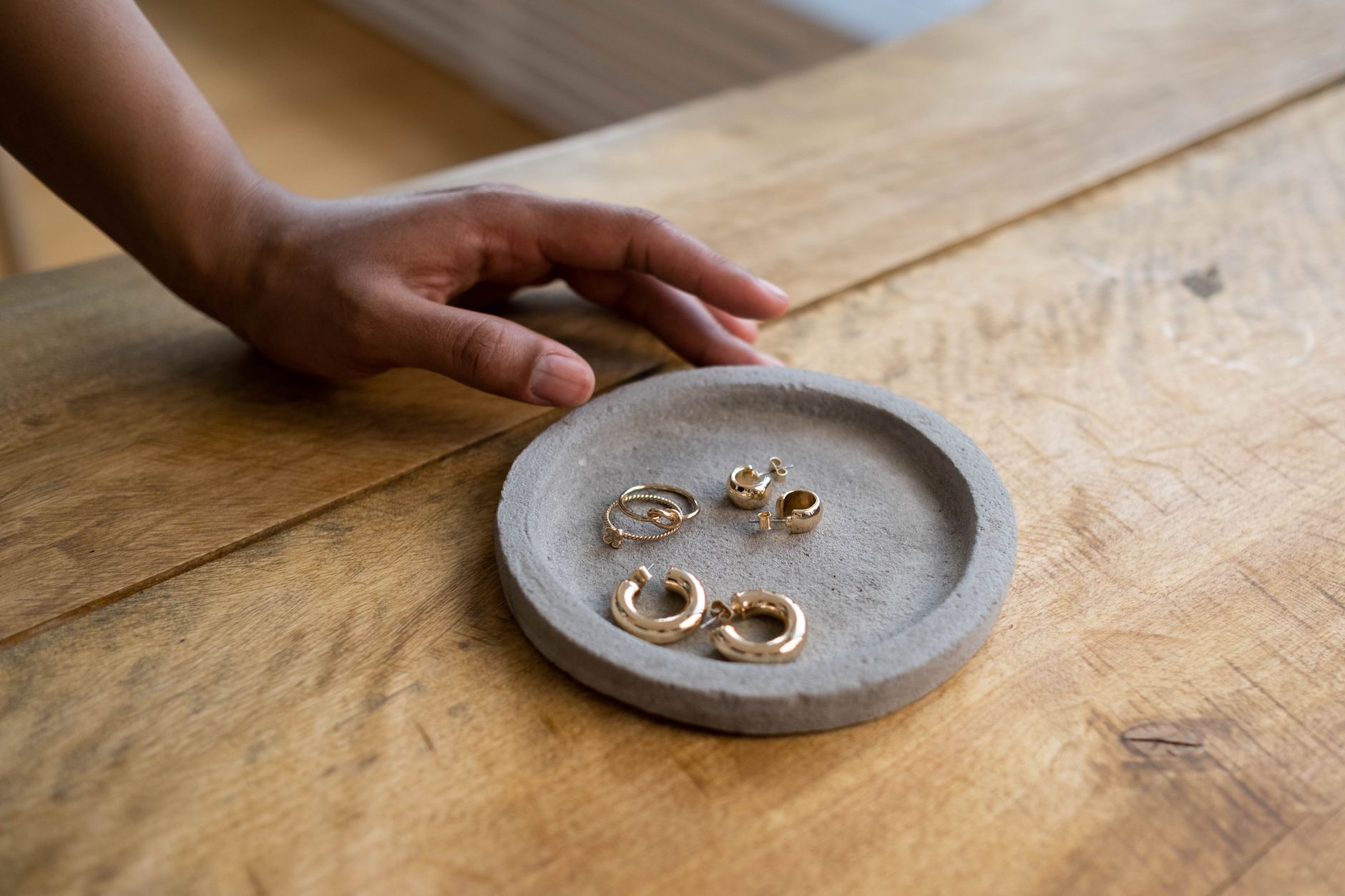
One of the most overlooked aspects of styling belts is ensuring your belt’s hardware aligns with your other metal accessories. If you wear gold jewelry, watches, and cufflinks, introducing a silver or chrome belt buckle creates visual discord that disrupts the harmony of your outfit. The most refined approach is to maintain metal consistency throughout your ensemble—gold belt buckle with gold watch and gold rings, or silver buckle with silver accessories. This consistency creates the impression that your outfit was thoughtfully coordinated rather than assembled from random pieces.
However, there’s a practical limitation to strict metal matching: not everyone owns a full range of accessories in multiple metals. In these situations, prioritize matching metals on the items closest to the eye. A mismatched belt buckle is far less noticeable than mismatched earrings or a watch, so if you must compromise, let the belt be your flexibility point. Additionally, certain luxury leather belts feature mixed metals—such as leather straps with gold and silver toning—which can bridge different metal palettes if chosen carefully. The warning here is that attempting too many different metals (gold, silver, rose gold, bronze) in a single outfit looks intentionally mixed rather than coordinated, which works only if you have genuine design expertise and clear intentionality behind the choice.
How Belt Width Proportions Relate to Your Build and Outfit
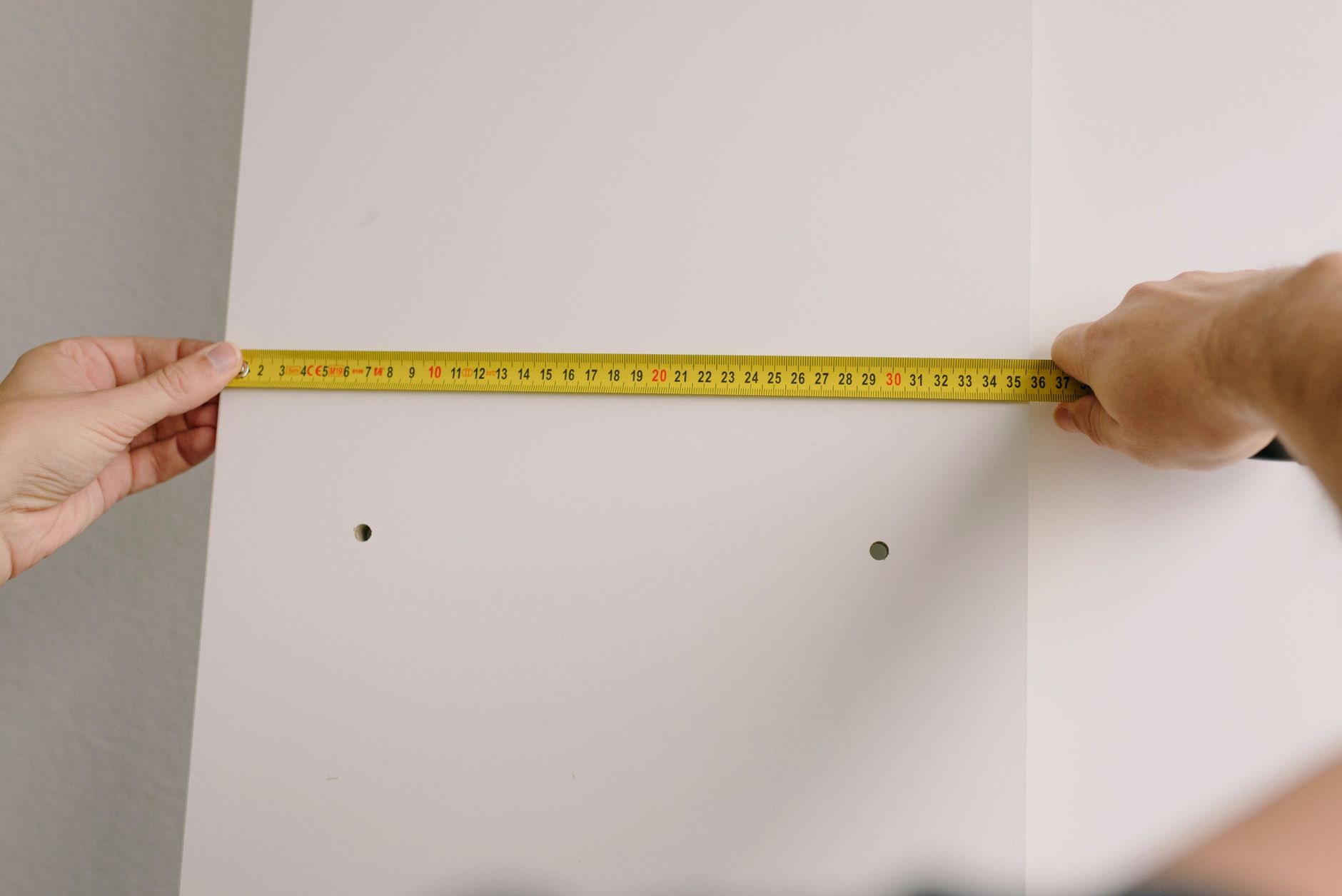
Belt width significantly impacts how an outfit hangs and your overall silhouette, yet most people choose belts without considering their body proportions. Narrower belts (under 1.25 inches) work best for slighter builds and formal occasions because they create visual continuity and don’t interrupt the line of the body. Wider belts (1.5 inches and above) suit broader frames and casual settings because they anchor the waistline and provide visual weight that balances a larger frame. Wearing a narrow belt with a larger frame or torso can make your waistline appear to disappear rather than appear defined.
Conversely, a very wide belt on a petite person dominates their proportions and throws off the balance of their entire silhouette. The specific example of how width matters: a woman with a naturally smaller frame wearing tailored trousers and a blazer benefits from a sleek 0.75-inch dress belt that creates an unbroken line from hip to shoulder. That same belt on a man with a broader chest and wider waist would look insubstantial and lost. Width also relates to the fabric and structure of what you’re wearing—wider belts pair better with structured fabrics like suiting and denim, while delicate fabrics and softer silhouettes call for slimmer belts that don’t overpower the garment. The limitation of this principle is that personal style and preference do matter; rules about proportion exist as guidelines rather than hard absolutes, and wearing something that makes you feel confident may be more important than strict proportional alignment.
Matching Belt Color to Your Outfit’s Color Palette
The most straightforward belt styling rule is that your belt should match or coordinate with your shoes, which then coordinate with your overall color scheme. The traditional pairing—black belt with black shoes, brown belt with brown shoes—remains the safest and most universally acceptable approach because it creates a visual anchor point at your waist and ankles that grounds the outfit. When these elements are the same color family, they create what’s called a “closed silhouette,” which appears more formal and intentional. Breaking this rule is possible but requires more design confidence and understanding of color theory. If you want to experiment beyond standard matching, ensure your belt and shoes share a similar tonal value and undertone.
A warm cognac belt with cool-toned gray shoes creates visual tension that reads as sloppy. A navy belt with warm tan shoes reads as a deliberate, casual choice. The most effective unconventional approach is choosing a belt in a color that accents another element of your outfit—for example, a burgundy belt that echoes the tones in a patterned scarf or jacket. The tradeoff is that this requires more pieces to already coordinate, and if the connection isn’t clear, the belt looks like a mistake rather than an intentional choice. Neutral belts in shades like cognac, taupe, and navy are far more versatile than trendy colors, making them better investments for a professional wardrobe.
Avoiding Common Styling Mistakes and Belt Challenges
A frequent error is letting belts become too prominent or decorative in outfit that demands restraint. An ornate, jeweled, or heavily embellished belt might look striking on its own, but paired with patterned clothing or bold jewelry, it creates visual chaos. The more interesting your other pieces—a statement necklace, patterned blouse, or textured jacket—the more restrained your belt should be. Another widespread mistake is using a belt to hide unflattering silhouettes. A belt cinched tightly around a protruding midsection doesn’t create the illusion of a defined waist; it actually draws attention to the area you’re trying to minimize.
A belt worn at your natural waistline, fitted comfortably without tension, creates the most flattering line. The technical limitation of leather belts is that quality matters significantly for durability and appearance. A thin, poorly constructed leather belt wrinkles, cracks, and changes shape over time, eventually looking neglected and worn rather than aged gracefully. Investing in quality leather means your belt will develop character while maintaining structure. Likewise, avoid the mistake of pairing formal belts with casual silhouettes or vice versa; a dress belt looks pretentious worn with athletic wear or casual jeans, while a heavy, textured casual belt undermines the polish of business attire. The warning here is particularly relevant for expensive luxury belts: choosing the right style for your lifestyle ensures your investment serves you well rather than sitting unworn in a closet.
Leather Quality and Buckle Construction in Luxury Belts
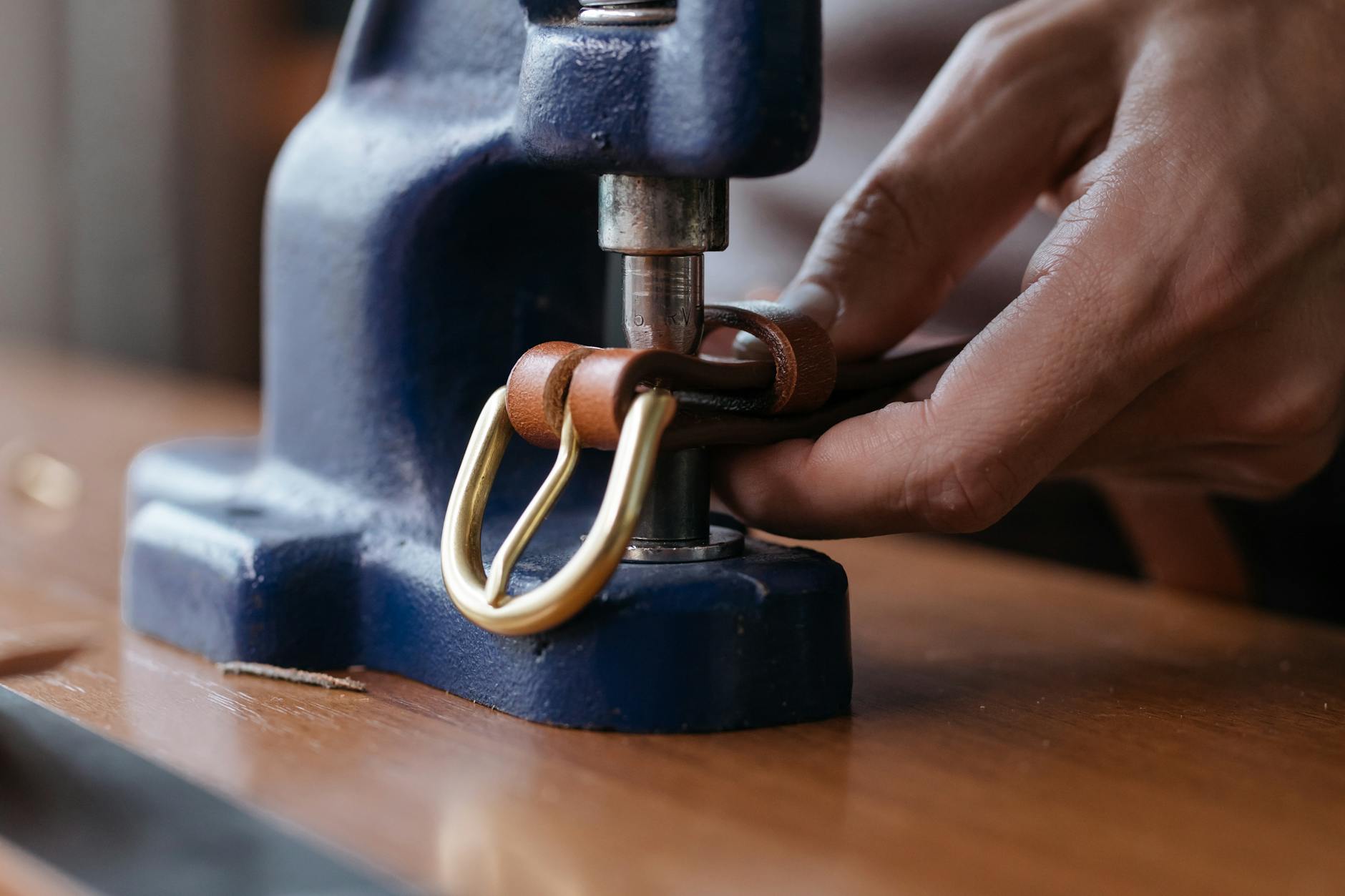
The visible signs of a high-quality belt include smooth, even leather grain without blemishes, and a substantial buckle that feels weighty rather than hollow. Luxury leather belts use full-grain leather, which develops a patina over time and becomes more beautiful with age. The buckle should be constructed from materials like solid brass, stainless steel, or precious metals rather than stamped pot metal that tarnishes or loses finish.
A gold-plated buckle on a luxury belt should have sufficient plating thickness to withstand years of wear without flaking or revealing base metal underneath. Consider the hardware attachment method: the best belts have buckles secured with stitching rather than glued or stapled connections, as this construction withstands years of daily wear without the buckle loosening. A specific example of quality differences: two leather belts might look similar at first glance, but one crafted from chrome-tanned leather with a solid brass buckle will cost two to three times more than one made from vegetable tanning with a plated buckle. That premium reflects not just material cost but the reality that the quality belt will look intentional and refined for decades, while the cheaper alternative will show wear and lose its finish within a few years.
How Luxury Belt Styling Evolves with Your Personal Style
Your belt styling should reflect your developing understanding of quality, proportion, and intentional dressing. Many people begin with belts chosen purely for function and gradually develop preferences for specific leather qualities, buckle styles, and width proportions that align with their body and wardrobe. As your approach to dressing becomes more intentional, you may invest in multiple belts in different colors and formality levels, allowing flexibility without compromise.
A thoughtful collection might include a formal dress belt in black and brown, a professional belt in cognac, and a few casual options in textures and colors that coordinate with your most-worn weekend pieces. Looking forward, your relationship with belts reflects broader principles of intentional consumption and quality investment. Rather than accumulating numerous inexpensive belts that wear out and eventually need replacing, selecting a few well-crafted pieces in timeless styles means you build a wardrobe component that becomes more valuable with time. A luxury leather belt with a precious metal buckle isn’t just an accessory; it’s an investment in pieces that work harder as they age, developing patina and character while remaining functional and beautiful.
Conclusion
Styling belts the right way fundamentally comes down to matching formality levels, coordinating metal accessories, considering proportion, and selecting quality materials that enhance rather than distract from your overall aesthetic. Every element of your outfit—from the width of your belt to the finish of its buckle—contributes to whether you appear intentional and coordinated or assembled haphazardly. When a belt works, it becomes nearly invisible, doing its job of anchoring your silhouette and providing visual continuity without demanding attention.
The investment in understanding belt styling pays dividends across your entire wardrobe. A few quality belts that coordinate with multiple outfits and align with your body proportions and personal style are worth far more than a collection of inexpensive belts chosen without consideration. As you refine your approach to dressing with intention, your belts will become reliable tools that make building polished outfits easier rather than obstacles to overcome.
Frequently Asked Questions
Should a belt always match your shoes?
Matching your belt and shoes remains the most foolproof approach, particularly for formal and business settings. However, once you understand color theory and proportional balance, you can experiment with coordinating colors that share similar tones. The key is that the connection between your belt and shoes should appear intentional rather than accidental.
What’s the proper width for a dress belt?
Dress belts should be no wider than 1.25 inches and typically range from 0.75 to 1 inch wide. Narrower belts create visual continuity with formal clothing and maintain the polished line of business and evening wear. Wider belts look too casual for formal contexts.
How do I care for a luxury leather belt to extend its life?
Store your belt flat or loosely coiled rather than folded, keep it away from excessive heat and moisture, and periodically condition the leather with appropriate leather care products. Avoid bending or stressing the leather unnecessarily, and allow it to dry naturally if it becomes wet. Quality leather actually improves with age and proper care.
Can I wear a casual belt with business attire?
Casual belts—those with decorative buckles, heavy textures, or substantial widths—undermine the professionalism of business clothing. Reserve casual belts for weekend wear and invest in refined dress and professional belts for your work wardrobe. The formality mismatch will be visually apparent.
What metal should my belt buckle be if I wear gold jewelry?
Your belt buckle should be gold or gold-toned to coordinate with your other accessories. Mixing metals creates visual discord that undermines an otherwise polished outfit. If you regularly wear both gold and silver jewelry, invest in quality belts in both metals rather than attempting to wear mismatched pieces together.
How often should I replace a quality leather belt?
A well-made leather belt should last many years or decades with proper care. Quality construction means the leather develops character while maintaining functionality. You should only need to replace the stitching or have the belt professionally refurbished if it shows significant wear, rather than replacing the entire piece.