

Picking the right watch comes down to three core decisions: understanding your lifestyle and budget, identifying the movement type that fits your needs, and evaluating the brand’s reputation and resale value. A surgeon who needs a durable daily tool will choose differently than a collector seeking an investment piece—one might opt for a steel sports watch like a Submariner, while the other targets a rare vintage Patek Philippe. The best watch for you isn’t the one with the most features or the highest price tag; it’s the one that matches your actual use, financial comfort, and the role you want it to play in your life. Most people make watch decisions backward.
They fall in love with a model’s appearance first, then justify the purchase. Instead, start with function and context. A $15,000 dress watch looks magnificent but is impractical if you spend your days working with your hands. A tool watch with a rotating bezel and date window seems unnecessary if you wear it once a month to dinner. Clarity on these fundamentals eliminates 80 percent of the options and makes the final choice obvious.
Table of Contents
- What Type of Watch Movement Should You Choose?
- How Movement Type Affects Cost and Long-Term Ownership
- Size, Dial Layout, and Daily Wearability
- Evaluating Materials and Water Resistance
- Brand Reputation and the Secondary Market
- Dress Watches vs. Sports Watches vs. Field Watches
- Vintage vs. New Watches and Building Your Collection
- Conclusion
What Type of Watch Movement Should You Choose?
The movement—the mechanism that makes the watch tick—determines reliability, maintenance costs, and character. Mechanical watches use a mainspring and escapement to keep time and require regular servicing every five to ten years, costing $300 to $800 depending on complexity. They appeal to enthusiasts who appreciate the artistry and the tactile experience of winding or feeling the seconds hand sweep across the dial. A Rolex Submariner or Omega Seamaster will hold time within five to ten seconds per day, which is acceptable to most wearers; if you need atomic-clock precision, they’re the wrong choice.
Automatic watches (self-winding mechanical) eliminate manual winding by using your wrist’s motion to keep the mainspring tensioned. They’re lower maintenance than hand-wound pieces if you wear the watch regularly, but they’ll stop if you take them off for more than a day or two. Quartz watches, powered by a battery and regulated by an electronic crystal, keep time to within one second per month and never require servicing beyond occasional battery replacement. They’re more accurate but offer less emotional engagement; many collectors dismiss them as “not real watches,” which is snobbery, but it’s a real market sentiment that affects resale value.
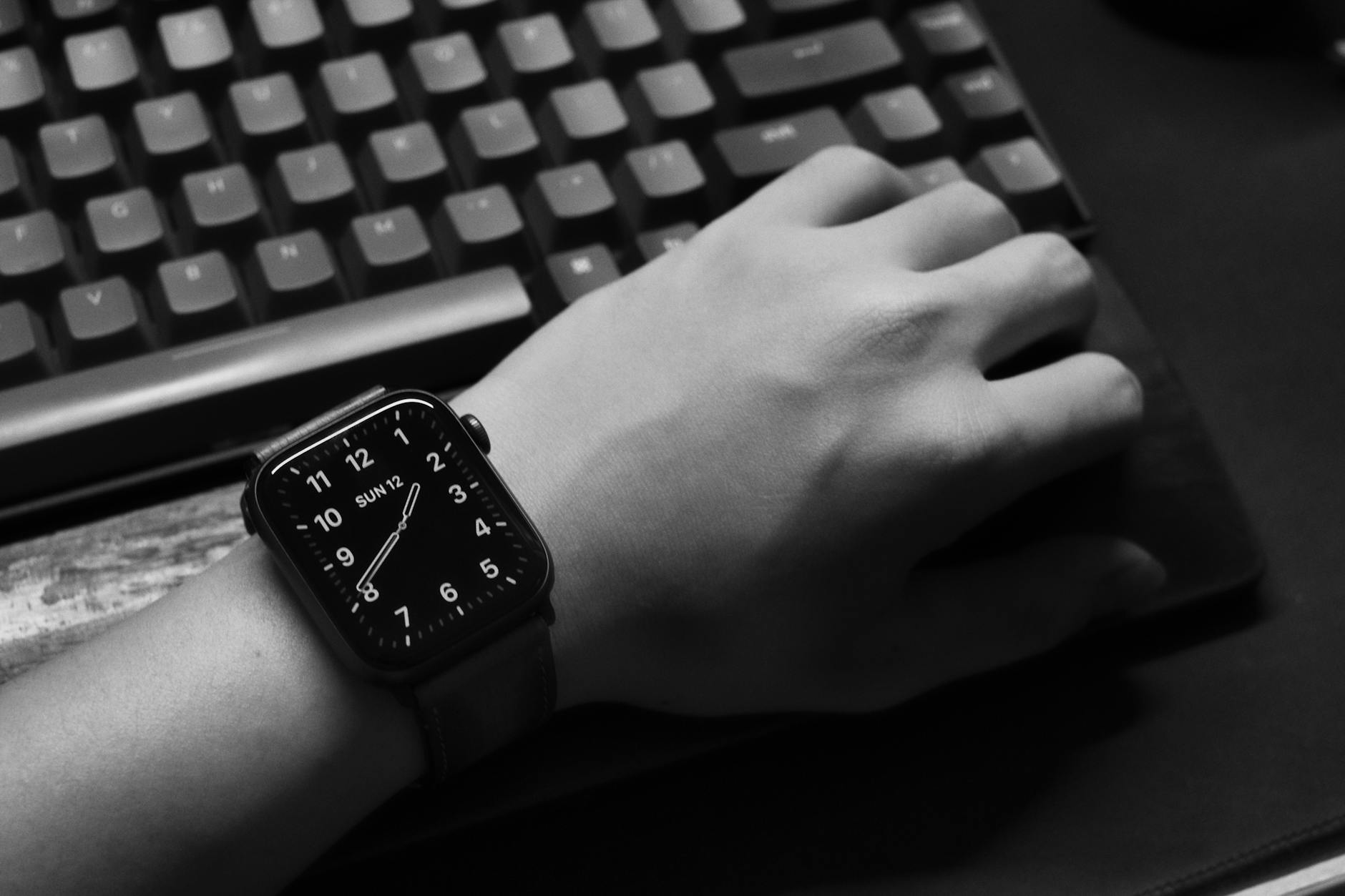
How Movement Type Affects Cost and Long-Term Ownership
A high-quality quartz watch from Cartier or Citizen might cost $2,000 to $5,000 and reliably run for decades with minimal intervention. The same price buys you an entry-level automatic from Seiko or Tudor, which offers more prestige among enthusiasts but demands servicing every few years and will eventually require a complete overhaul costing $1,500 or more. If you plan to own a watch for life and pass it down, a mechanical watch often makes sense despite higher total cost. If you want something reliable and low-friction that you’ll wear daily and potentially trade in five years, quartz often wins on value.
One major limitation: mechanical watches depreciate faster than you’d expect if you don’t stick with recognized brands. A beautiful independent watchmaker’s automatic might cost $3,000 new, but reselling it five years later might net you $1,200, because the secondary market prizes established names. Rolex, Omega, and Patek Philippe hold value or gain it over time; lesser-known brands do not. This matters if you’re spending serious money. Buy the mechanical watch you love, but be aware that resale assumptions require a brand with institutional trust.
Size, Dial Layout, and Daily Wearability
Watch case diameter has shifted dramatically over the past 15 years. In 2000, 36mm was standard; today, 40mm to 42mm dominates. A 36mm watch on a modern wrist often looks small, while a 44mm sports watch can overwhelm a slender frame. Wrist size matters, but so does personal taste and the watch’s intended use.
A 36mm dress watch with thin lugs looks elegant on almost anyone; a 44mm dive watch sits substantially on the wrist and isn’t for everyone. Dial complexity ranges from minimalist (two or three hands, no date) to busy (date window, subdials, rotating bezel, chronograph functions). A simple dial is easier to read, more versatile, and ages better aesthetically—many watch enthusiasts view dial clutter as a sign of insecurity. A chronograph or GMT-hand adds genuine function if you time things or track multiple time zones, but adds cost and visual weight. For a first luxury watch or a piece you’ll wear decades, a clean three-hand dial with a date window strikes the practical balance.

Evaluating Materials and Water Resistance
Stainless steel is durable, affordable, and forgiving; gold is luxurious but soft and easily scratched; titanium is lightweight and scratch-resistant but less aesthetic appeal to some collectors. Steel watches cost less to manufacture and service, hold value predictably, and age beautifully with patina. A gold watch signals permanence and is genuinely difficult to damage, but it costs two to five times more, and repairs require a skilled jeweler. Ceramic bezels resist fading and scratching far better than aluminum, but a ceramic insert shatters if struck hard; aluminum nicks easily but is replaceable and cheap.
Water resistance is stated in meters and involves real tradeoffs. A “splash-resistant” watch (30m) is fine for daily wear if you remove it before showering; 100m is safe for snorkeling and swimming; 300m handles shallow diving. Claiming you need a 300m dive watch when you’ll never dive is honest, but understand that you’re paying for capability you won’t use. Deeper water resistance requires more complex seals and case construction, which adds cost and makes the watch slightly thicker. A steel watch rated 300m typically uses a screw-down crown, which is one extra step when setting the time; this is a minor friction point that annoys some owners.
Brand Reputation and the Secondary Market
A watch’s value after five or ten years depends almost entirely on the brand’s prestige and the model’s availability. Rolex, Patek Philippe, and Audemars Piguet watches often cost as much used as new because demand outpaces supply. A steel sports Rolex bought at retail for $6,000 often sells for $9,000 to $12,000 used, making it nearly a free watch if you hold it a decade. By contrast, a beautiful luxury watch from a lesser-known Swiss maker might depreciate 40 to 50 percent over the same period. This creates a genuine trap for new buyers: the temptation to chase brand prestige at the expense of personal taste.
Many people buy a Rolex not because they love it but because they believe it will hold value. Then they wear it reluctantly and resent the lack of versatility. If your primary motivation is investment, buy the Rolex. If you want a watch you’ll genuinely enjoy, prioritize design fit over brand cachet and accept that the watch may not be a financial asset. Some of the most beloved watches in the enthusiast community are mid-tier brands that depreciate; they’re loved because they’re worn and used, not stored for speculation.
Dress Watches vs. Sports Watches vs. Field Watches
Dress watches (slender cases, thin bezels, clean dials, often leather straps) work in formal settings and look appropriate under a suit cuff. They’re less common in daily life now but irreplaceable if you attend regular business meetings or formal events. A dress watch should be under 38mm, ideally under 36mm, and under 10mm thick. Dress watches by design sacrifice water resistance (most are 30m or 50m) and durability; they reward careful handling and are generally worn intermittently.
Sports watches (rotating bezel, date window, often steel or rubber) prioritize function and durability. They’re thicker, larger, and more visible—a 40mm sports watch announces itself on the wrist in a way a dress watch doesn’t. Field watches split the difference: they’re robust but simpler than sports watches, with clean dials and military aesthetics. Many people find a field watch the most versatile, working with casual clothes and business casual without the formality demands of a dress watch or the bulk of a sports watch. The practical tradeoff: a field watch often feels like it’s optimized for nothing specific, while a dress watch excels in formal settings and a sports watch excels in rugged environments.
Vintage vs. New Watches and Building Your Collection
Vintage watches offer character and lower entry points to prestigious brands. A 1970s Omega Seamaster costs a quarter of a modern equivalent, and many vintage pieces are genuinely better-finished than their modern counterparts. The downside: servicing vintage watches is expensive, parts become scarce, and you’re buying a 50-year-old component that might fail. A vintage Seiko is a calculated risk; a vintage Patek Philippe is a museum piece that requires expert care.
New watches come with warranties, consistent finishing, and the confidence that parts will be available for decades. A modern sports watch is more robust and reliable than a vintage equivalent, even if it lacks the vintage piece’s patina and story. Many collectors start with one new watch to establish a relationship with a brand, then explore vintage pieces once they understand the brand’s design language and what matters to them. This approach spreads learning across time and reduces the risk of a large purchase regret.
Conclusion
Choosing the right watch means matching the movement, size, material, and brand to your actual life and your honest preferences—not to your aspirations or your belief in resale value. Start by being clear about your budget, how often you’ll wear the watch, and what environment it needs to withstand. Evaluate the movement and maintenance costs over ownership lifetime, not just the purchase price. Then spend time looking at watches in person, wearing them if possible, and sitting with your preference for a few days before buying.
The final truth about watch selection is that the “right” watch is the one you’ll actually wear and enjoy. A watch in a drawer because it feels too expensive or too formal or too formal is a failed purchase, no matter how prestigious the brand. Buy within your comfort zone, choose a piece that works with your life, and plan to hold it long enough that the cost-per-wear becomes reasonable. A truly great watch becomes invisible; you stop noticing it because it works so well that it becomes part of your daily existence.