
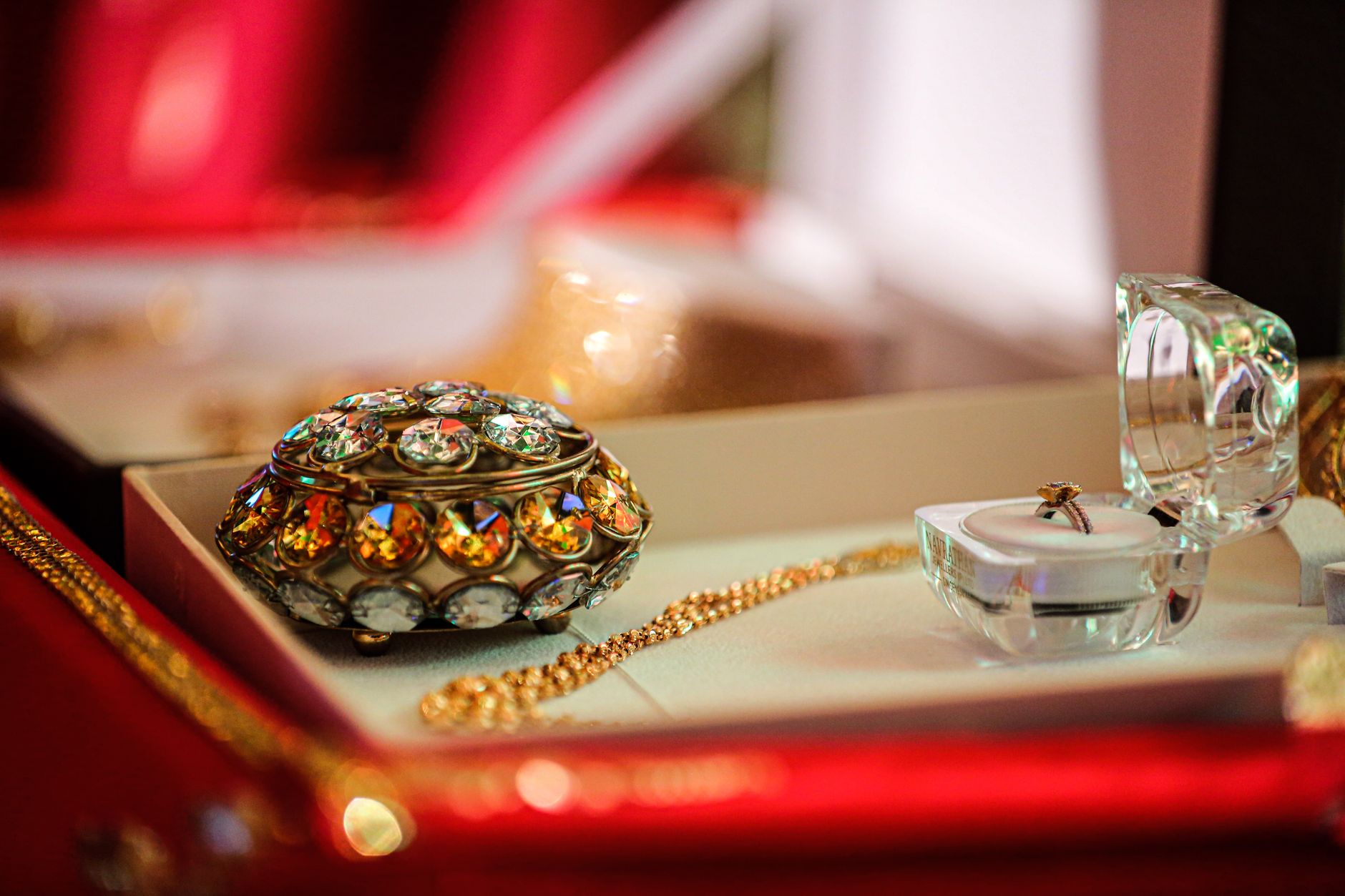
The gemstones used most often in bracelets are diamonds, sapphires, rubies, and emeralds. Amethyst, topaz, garnet, citrine, and pearl are also common, especially outside high-fine lines.
A tennis bracelet is a flexible band set with a matched row of stones. It shows why diamonds suit luxury bracelets: neutral color, high hardness, and steady supply in matched sizes. Everyday bracelets use more color and variety because buyers want expression and lower maintenance cost.
Table of Contents
- Why Classic Stones Lead Fine Bracelets
- Which Colorful Stones Suit Everyday Styles?
- How Does Durability Affect Daily Wear?
- How Should You Match Stone, Setting, and Metal?
Why Classic Stones Lead Fine Bracelets
Diamonds fit the bracelet format well. Their hardness resists abrasion from daily contact, and colorless stones pair with white gold and platinum without clashing. Small matched diamonds also keep a continuous line even and secure. Sapphires, rubies, and emeralds bring strong color with good wearability.
Sapphire and ruby are forms of corundum, a very hard mineral family that handles frequent wear. Emerald is softer and often treated with oil, so it needs a protected setting and gentler use. Pearls and onyx play a different role. Pearls add a smooth, reflective surface but scratch easily and react to acids and perfume. Black onyx and lapis give bold color blocks for bangles and cuffs rather than stone-by-stone sparkle.
Which Colorful Stones Suit Everyday Styles?
Amethyst, blue topaz, citrine, garnet, and peridot appear widely in silver and gold fashion bracelets. Quartz varieties such as amethyst and citrine come in many shades and cut cleanly into matched beads and links. Garnet offers deep red at a smaller size without the care needs of emerald.
These stones allow wider bracelets, stretch designs, and mixed-stone patterns. A stretch bracelet uses elastic or linked beads of jasper, agate, turquoise, or moonstone for comfort and easy fit. Color is the main draw, so buyers should check for even tone and secure drilling around bead holes.
How Does Durability Affect Daily Wear?
Hardness decides how a bracelet survives desks, keys, and doorframes. Mohs hardness is a 1-to-10 scratch-resistance scale used by jewelers. Diamonds sit at the top, sapphires and rubies sit just below, and quartz, topaz, and garnet sit in the middle.
Setting height matters as much as hardness. High prongs — small metal claws that hold a stone — snag and expose edges to chips. Bezel and channel settings surround the stone with metal and suit active hands.
- Choose diamond, sapphire, or ruby for daily, unprotected wear.
- Choose emerald, opal, pearl, or turquoise only in protected settings or for occasional wear.
- Avoid ultrasonic cleaners for porous or treated stones; use mild soap, water, and a soft cloth.
How Should You Match Stone, Setting, and Metal?
Match stone toughness to setting openness. Prong settings show more light and color but leave corners exposed. Bezel settings — metal rims that encircle each stone — and channel settings — grooves that hold a row — protect edges and suit workday wear. Match metal color to stone color and maintenance.
Yellow gold warms reds and greens; white gold and platinum keep blues and colorless diamonds neutral. Sterling silver lowers cost but needs polishing because it tarnishes with air and moisture. Before buying, check clasp strength, safety catch, and sizing. A bracelet that slides over the hand without strain puts less force on links and settings. Ask the jeweler to show how each stone is secured and how to clean that exact combination.