
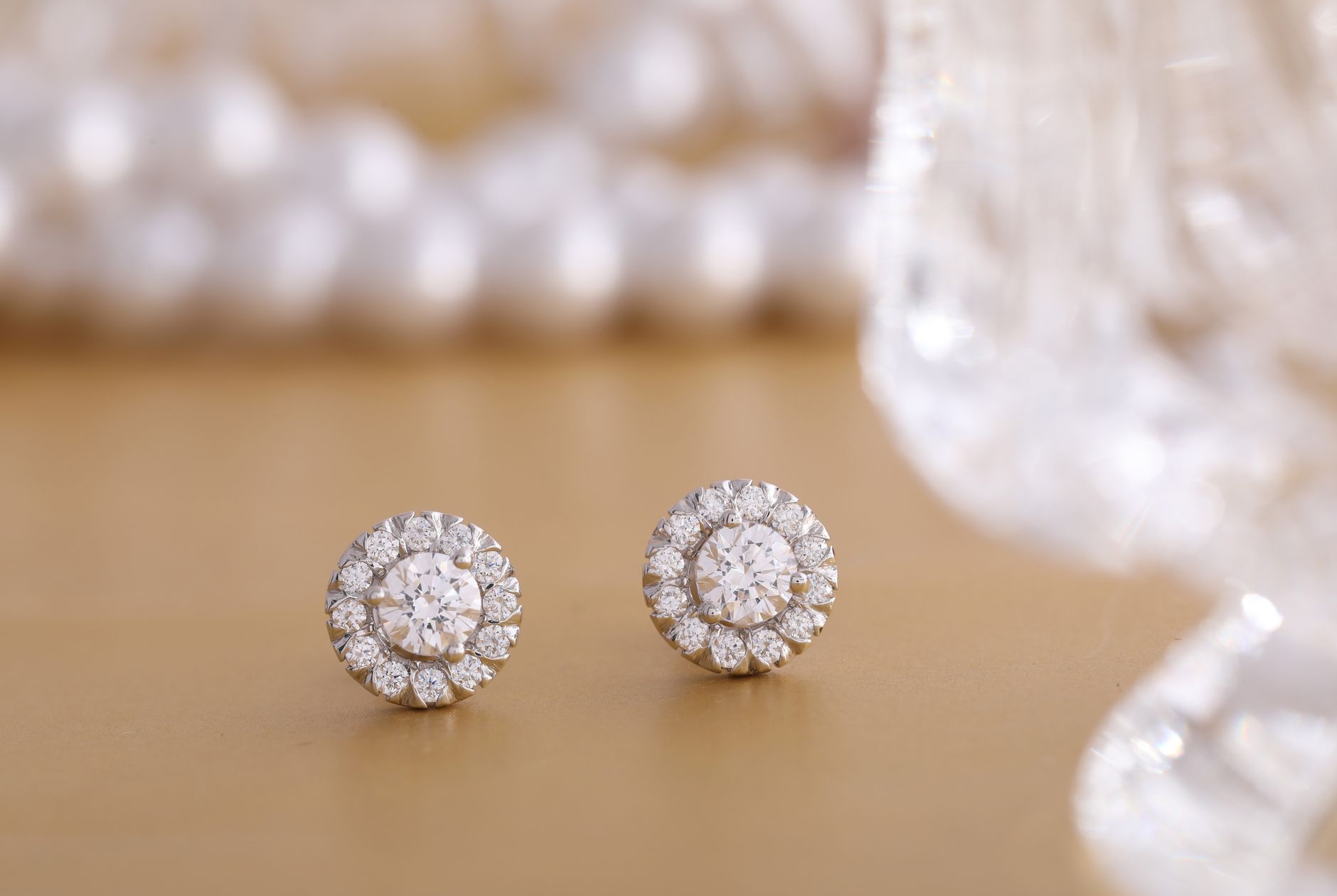
A luxury gem jewelry boutique stands apart through deep gem expertise, traceable precious materials, and careful craftsmanship. A gem jewelry boutique means a small specialty shop centered on natural colored stones and fine settings, not fashion jewelry. That focus changes how you shop. You get fewer pieces, clearer information about each stone and metal, and direct help with fit, care, and repair.
Table of Contents
- A curated selection, not a full case
- How to judge metals and making?
- What service should you expect?
- How to shop with confidence?
A curated selection, not a full case
A boutique usually carries a narrow range of natural gems, such as sapphire, ruby, emerald, or spinel, in a few classic cuts. The small inventory lets staff explain origin, treatment, and cutting choices for each piece. Treatment means routine heating, oiling, or diffusion used to improve color or clarity.
You can also compare similar stones side by side. Look at color in daylight and indoor light, check how the cut returns light, and notice whether prongs sit level and even. Small differences in saturation and cut often matter more than size.
How to judge metals and making?
Precious metal means gold, platinum, or palladium in alloys meant for daily wear. Karat marks show gold purity, while platinum pieces carry a purity mark such as Pt900 or Pt950 depending on local rules. Practices vary by country, so ask what the mark on your piece means.
Construction tells you how long a ring or pendant may last. Check for smooth joins, secure stone seats, even polish inside the shank, and a clasp that closes with a firm click. Well-made settings hold the gem without wobble and protect exposed points such as emerald corners.
What service should you expect?
Luxury service centers on information and aftercare rather than pressure to buy. Expect gemstone identification, disclosure of treatments, metal content, and care instructions before payment. Many boutiques also offer sizing, cleaning, tightening, and rhodium plating, where a thin layer refreshes white gold.
Good communication is specific. Staff should name the stone, note whether it is natural or laboratory-grown, describe any known treatment, and explain what maintenance the design needs. If answers stay vague, treat that as a reason to pause.
How to shop with confidence?
Start with your use and budget, then ask for two or three options that meet both. Try the piece on, check comfort, look at the profile view, and ask how it will wear with daily use.
A design that catches on clothing or sits too high may need a lower setting. Use these checks before you decide: Keep the receipt, grading report if provided, and care notes together for future service.
- Ask for stone identity, treatment disclosure, metal type, and maker marks in writing.
- Review return, warranty, resizing, and repair terms before payment.
- Confirm cleaning and inspection intervals for softer stones such as emerald or opal.