
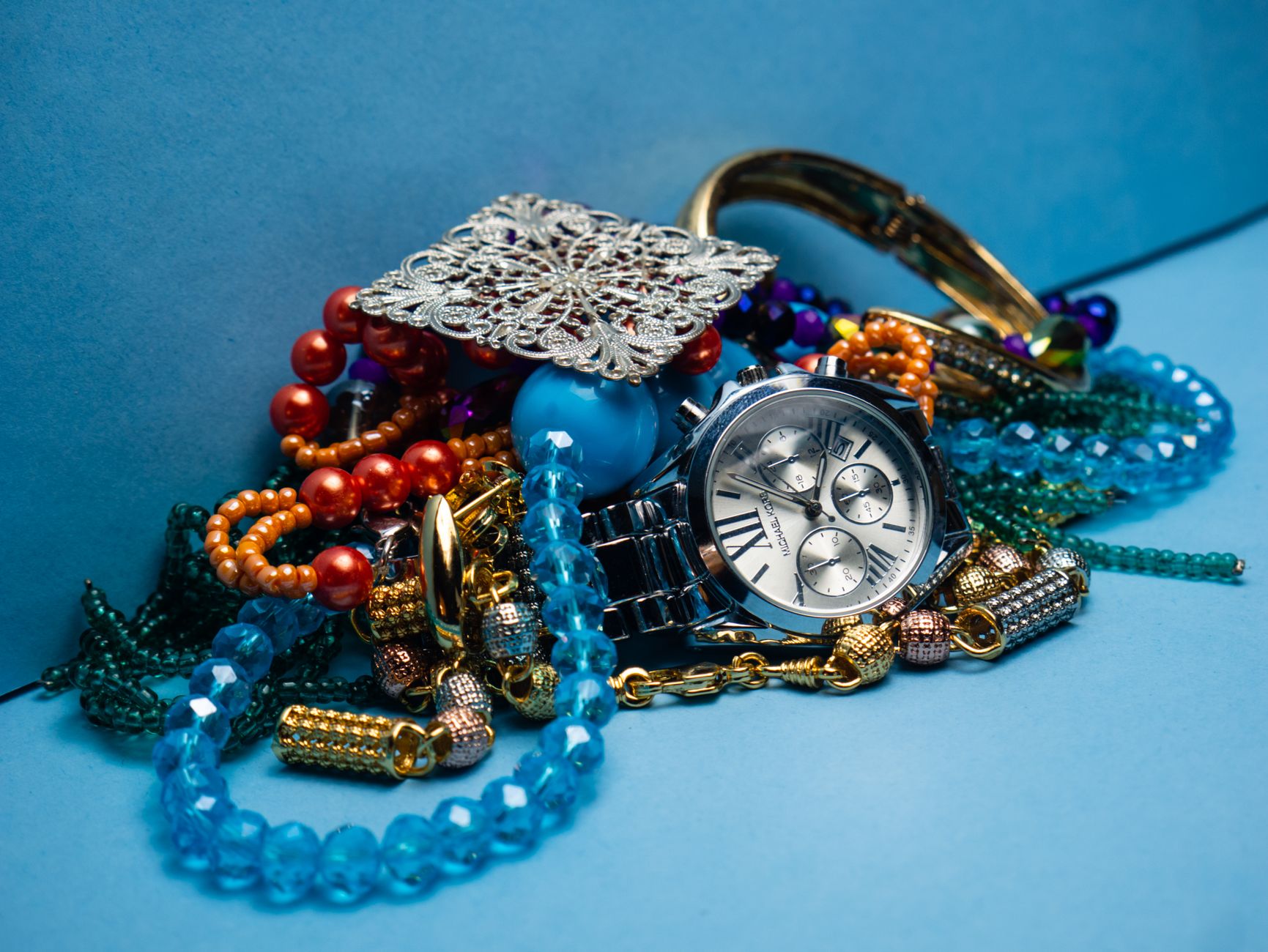
A trusted local jeweler for gemstone jewelry is a nearby shop with trained staff, transparent grading, and skilled bench work. Start with established independent jewelers and designer boutiques, then visit to compare knowledge and service in person. Gemstone jewelry means pieces set with colored stones, either natural or laboratory-grown, in precious metal such as gold or platinum. A good local jeweler helps you judge stone quality, setting durability, and long-term care.
Table of Contents
- Where should you start your search?
- How can you judge gemstone quality in person?
- What should you ask about treatment and origin?
- How do metal choice and craftsmanship affect value?
- Frequently Asked Questions
Where should you start your search?
Ask friends, wedding vendors, and watch repair shops which jeweler they trust for colored stones. Look for shops with an on-site bench jeweler, a gemologist on staff, and membership in a trade group.
Visit two or three stores before deciding. Notice whether staff use a loupe, explain stone characteristics clearly, and offer written specifications. A focused gemstone collection often signals deeper expertise than a case full of only diamonds.
- Check the shop handles repairs, resizing, and prong work in-house
- Look for clear return, warranty, and maintenance policies in writing
- Favor jewelers who document the stone type, treatment, and metal
How can you judge gemstone quality in person?
Look at color, cut, clarity, and setting under neutral light. Color should look even across the stone, the cut should return light without large dark areas, and inclusions should not weaken the stone. Ask to see the piece loose or from the side when possible. Side views reveal color zoning, shallow cutting, and thin girdles that face-up views hide.
Compare similar stones side by side to train your eye. Handle mountings with care and purpose. Prongs should feel smooth and secure, stones should not rattle, and shanks should have comfortable weight. Well-finished backs and galleries protect fragile stones such as emerald, opal, and tanzanite.
What should you ask about treatment and origin?
Many colored stones receive routine heating, oiling, or coating to improve appearance. Ask whether the stone is natural or laboratory-grown, what treatment it received, and whether the treatment is permanent and needs special care. Request key facts in writing: stone identity, carat weight, dimensions, treatment, metal type, and fineness.
For important sapphires, rubies, emeralds, and alexandrites, ask whether an independent laboratory report is available or can be ordered. Discuss daily wear directly. Softer or heavily included stones suit protected designs such as bezels, halos, or low-profile settings. A candid jeweler will steer very soft stones away from everyday rings.
How do metal choice and craftsmanship affect value?
Platinum and high-karat gold protect gemstones well but scratch and wear differently. Platinum develops a soft patina and holds prongs strongly, while 14-karat gold offers firm strength for active wear and 18-karat gold gives richer color. Inspect craftsmanship closely before paying. Seams should be clean, prongs should be even, stones should sit level, and engraving or milgrain should look crisp.
Ask who performs sizing and repair, and how the shop protects stones from heat during work. Get an itemized estimate for custom work, resizing, or resetting. The estimate should list materials, labor, timeline, and risks to fragile stones. Keep all receipts, appraisals, and care instructions together for insurance and future service.
Frequently Asked Questions
Should I choose natural or laboratory-grown stones?
Choose natural for rarity and traditional value, and laboratory-grown for larger size or purer color at lower material cost. Decide based on meaning, budget, and design, then confirm the identity in writing.
Do I need a laboratory report for every gemstone?
Small accent stones rarely need reports. Consider one for a costly ruby, sapphire, emerald, or alexandrite, especially when treatment or origin affects care and price.
How often should gemstone jewelry be checked?
Have prongs, settings, and clasps checked at least once a year, or sooner if a stone moves or snags. Regular checks catch loose stones before loss.