
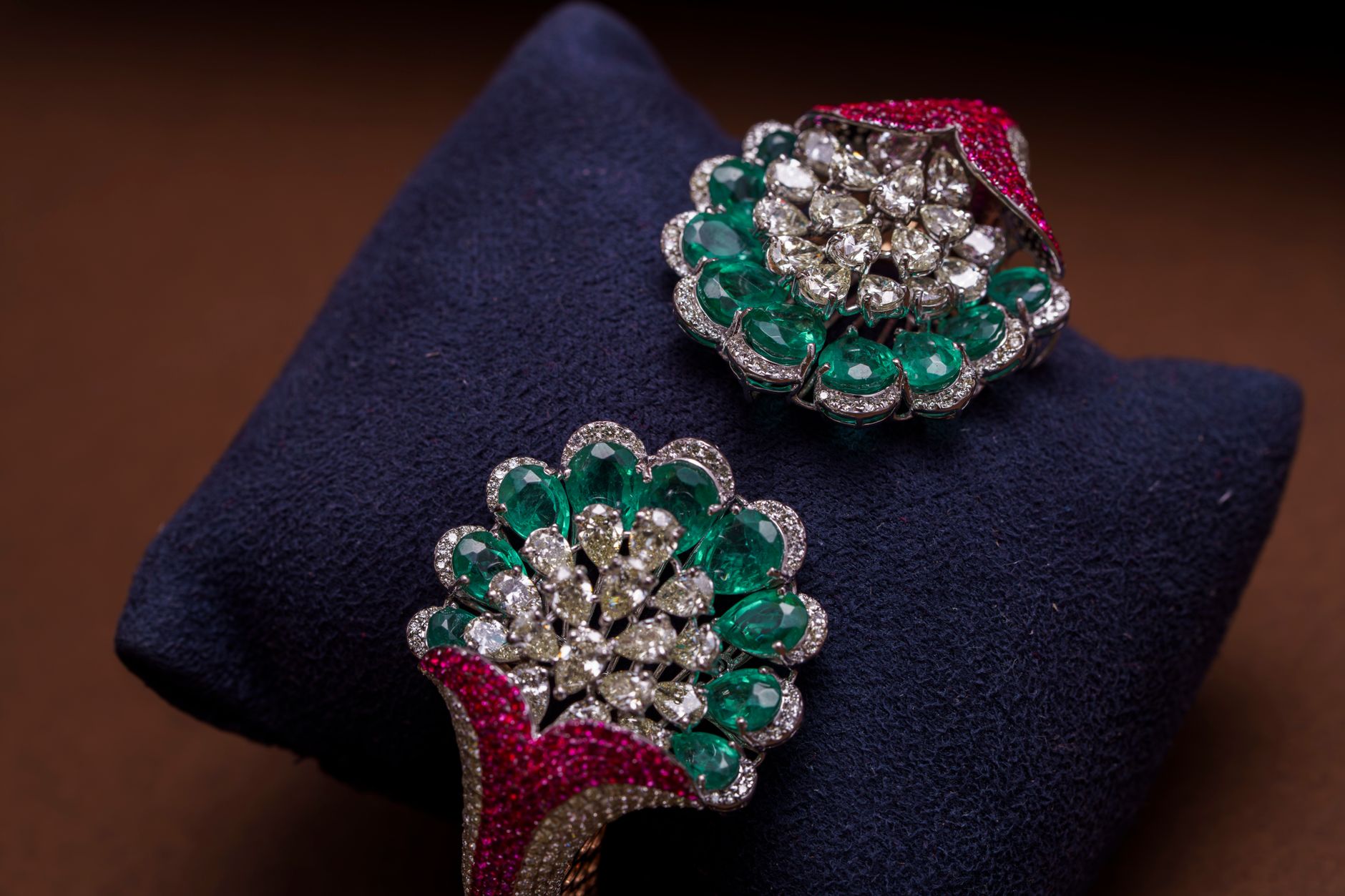
Jewelers authenticate a vintage engagement ring by examining its materials, craftsmanship, and style markers to confirm age and authenticity. A vintage ring, generally meaning a previously owned ring several decades old, is checked through metal tests, gemstone tests, and close inspection of construction.
The process separates two questions buyers often mix together. One is whether the ring is genuinely old. The other is whether its diamonds, gemstones, and precious metal are natural and as represented.
Table of Contents
- What does authentication actually confirm?
- How is the metal and construction examined?
- How are diamonds and gemstones assessed?
- What style clues help date the ring?
- What should you bring and request?
- Frequently Asked Questions
What does authentication actually confirm?
Authentication confirms what the ring is made of and whether its features fit a vintage origin. It does not by itself set value or prove who owned it. A jeweler can identify platinum, gold, diamond, or colored stone content and note later alterations.
Many vintage rings have repairs, resized shanks, replaced prongs, or newer stones. Those changes matter because they affect durability, appearance, and price. A clear authentication describes original parts separately from later work.
How is the metal and construction examined?
A jeweler starts with marks inside the band, such as karat stamps, platinum marks, or maker marks. Stamps give clues, but they are not final proof because marks can wear down or be added later. Acid testing, electronic testers, or X-ray analysis identify the metal more reliably.
Construction often tells more than marks. Older rings may show hand-shaped prongs, hand-engraved details, slightly uneven galleries, and older soldering patterns. Cast seams, laser welds, and very uniform machine finishing can point to newer manufacture or substantial rebuilding.
- Check interior marks under magnification
- Test metal content rather than trusting the stamp alone
- Inspect prongs, gallery, engraving, and solder joints
- Note resizing, replaced shanks, added heads, or reinforcement
How are diamonds and gemstones assessed?
The jeweler examines stones loose in effect, without removing them, using magnification and standard gem tests. Cut style is especially informative because older diamonds often have larger facets, higher crowns, smaller tables, and less perfect symmetry than modern cuts. Light behavior, facet pattern, girdle finish, and culet size help distinguish old cuts from modern reproductions.
Color, clarity, and condition are also recorded. Chips at facet edges, abrasion, loose settings, and mismatched side stones are common in worn rings. For colored stones, the jeweler looks for species, signs of treatment, and whether the stone fits the period style or appears to be a later replacement.
What style clues help date the ring?
Design language helps place a ring in a broader vintage tradition. Filigree work, milgrain edges, geometric settings, floral carving, and particular gallery shapes each belong to recognizable periods. A jeweler compares proportions, mountings, engraving technique, and stone arrangement against those patterns.
Reproductions can copy a vintage look closely. Stronger evidence comes from agreement across several details rather than one motif. Consistent wear in recessed areas, patina around engraving, older cutting styles, and period-appropriate construction together support a vintage finding.
What should you bring and request?
Bring any paperwork you have, including prior appraisals, receipts, family notes, or repair records. Provenance does not replace testing, but it helps the jeweler focus inspection and explain gaps. Clean the ring gently beforehand only if it is secure; leave fragile or loose stones alone.
Ask for a written description of metal, stones, measurements, condition, alterations, and the reasons for the age opinion. Independent laboratory grading is useful when the center diamond is large or an exact identification affects insurance. Keep that report with photographs and receipts in one file.
Frequently Asked Questions
Can a jeweler authenticate a vintage ring without paperwork?
Yes. Physical examination of metal, stones, marks, and construction is the main basis, while paperwork only adds context.
Does authentication include an appraisal value?
Not always. Authentication identifies materials, condition, and age indicators; an appraisal separately estimates value for insurance, sale, or estate purposes.
Should the stones be removed for testing?
Usually no. Most checks are done with the stones mounted, and removal is reserved for rare cases where mounted testing cannot resolve an important question.