
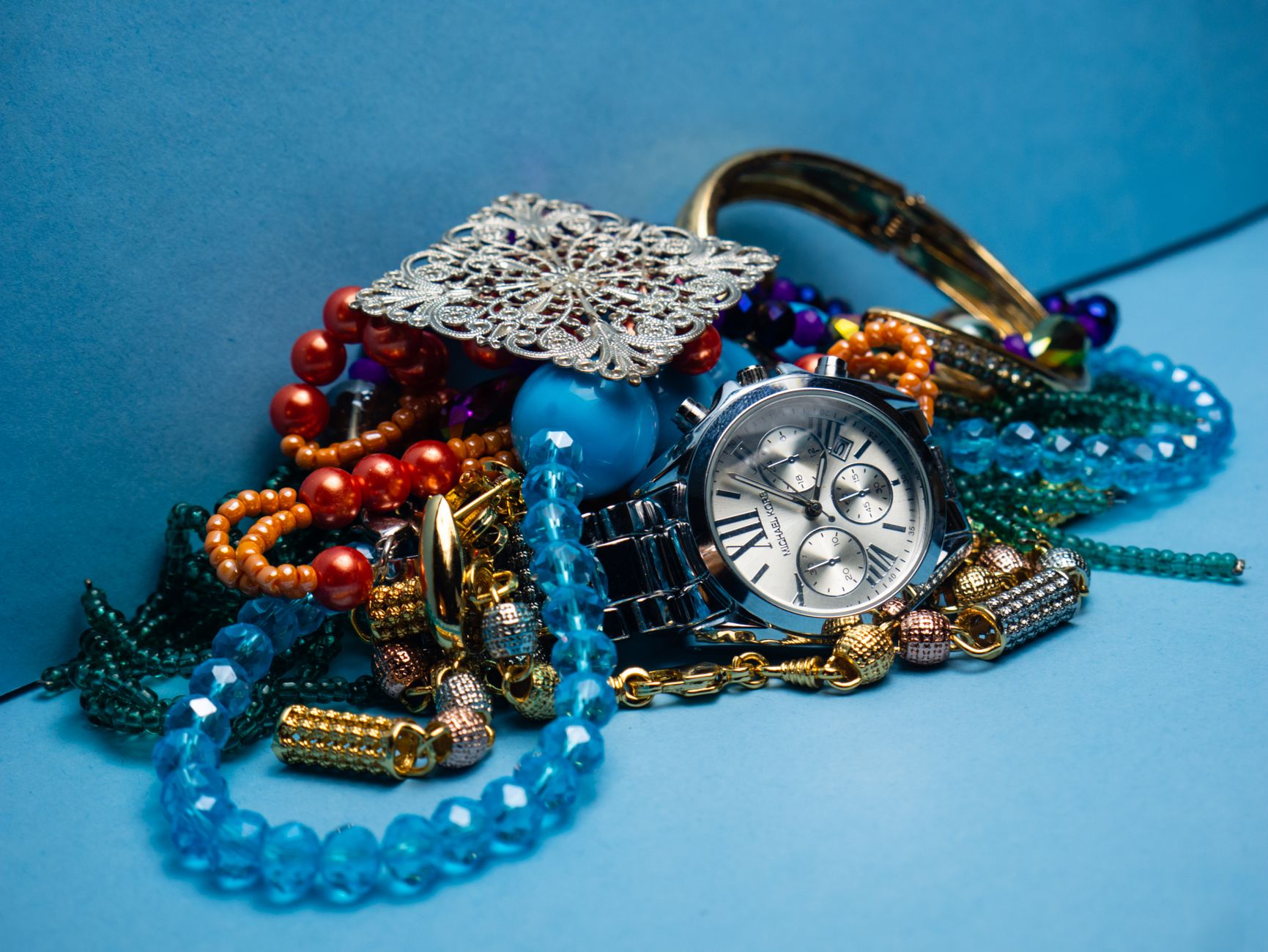
To buy antique estate jewelry safely, confirm age in writing, test metal and gems independently, and inspect condition before payment. Estate jewelry means any pre-owned jewelry, not necessarily old, so treat antique as a claim that needs evidence. According to U.S.
Customs and Border Protection, antique means over 100 years old at importation. Sellers often use antique, vintage, and estate loosely. Ask for age evidence before you pay an antique premium, as described in CBP guidance on antique imports.
Table of Contents
- Do the words prove the age?
- What do marks and metal tests tell you?
- How do you check stones and paperwork?
- What must the seller disclose?
- How do you judge wear and fair value?
Do the words prove the age?
Estate covers every pre-owned piece, from last year's ring to a Georgian brooch. Antique implies great age, so it should come with dates, provenance, or period features. A label alone never justifies a higher price.
Ask how the seller dated the piece. Look for dated hallmarks, maker records, old receipts, or appraisal notes. Walk away from an antique premium without paper or testable clues.
What do marks and metal tests tell you?
According to National Jeweler, hallmarks and maker's marks can identify metal purity, maker, assay office, and period, as explained in National Jeweler's tips for buying antique and estate jewelry. A clear 750 stamp means 18-karat gold. A city leopard or date letter can place a British piece in time.
Limits matter. National Jeweler also notes that Georgian and Victorian pieces may lack marks, and marks can fade or be faked. Use this check routine:.
- Examine marks with a loupe in good light.
- Compare letters and symbols against a hallmark reference.
- Order professional metal testing when marks are missing, worn, or suspicious.
How do you check stones and paperwork?
The Gemological Institute of America says a GIA grading report gives an independent scientific description of a diamond's 4Cs, measurements, diamond authenticity, and known treatments. The 4Cs mean cut, color, clarity, and carat weight. That report does not set monetary value; value is the separate job of an appraisal.
Match the paper to the stone before payment. GIA directs buyers to enter the report number at GIA Report Check and compare grades, measurements, and girdle inscription, through GIA Report Check. A mismatch signals switched or forged paperwork.
What must the seller disclose?
According to the Federal Trade Commission, sellers must truthfully describe metal, gem type, origin, and treatment under the FTC Jewelry Guides, detailed in the FTC amendment to the Jewelry Guides. Disclosure is required when treatment is not permanent, needs special care, or strongly affects value. The seller must also say whether a stone is natural, lab-grown, or imitation.
Apply that rule to estate offers. Ask in writing whether color or clarity comes from treatment. Ask about origin claims, filling, heating, coating, and replaced stones. Keep the answers with the invoice.
How do you judge wear and fair value?
Rapaport Magazine advises review by an independent qualified appraiser, at minimum a graduate gemologist following USPAP standards, rather than the seller. USPAP means Uniform Standards of Professional Appraisal Practice. Grading reports, market evaluations, and insurance appraisals serve different purposes, and seller estimates can be biased. Condition changes price and risk.
National Jeweler and Rapaport Magazine direct buyers to check tight prongs, secure clasps, band thickness, chips, repairs, and enamel wear. Worn prongs risk stone loss. Pristine enamel on a supposedly 200-year-old piece signals a problem. Get the metal, stones, treatments, age basis, and return terms in writing before money changes hands.
- Budget for re-tipping, rebuilding, or restoration.
- Buy from reputable dealers with detailed invoices and return rights.