
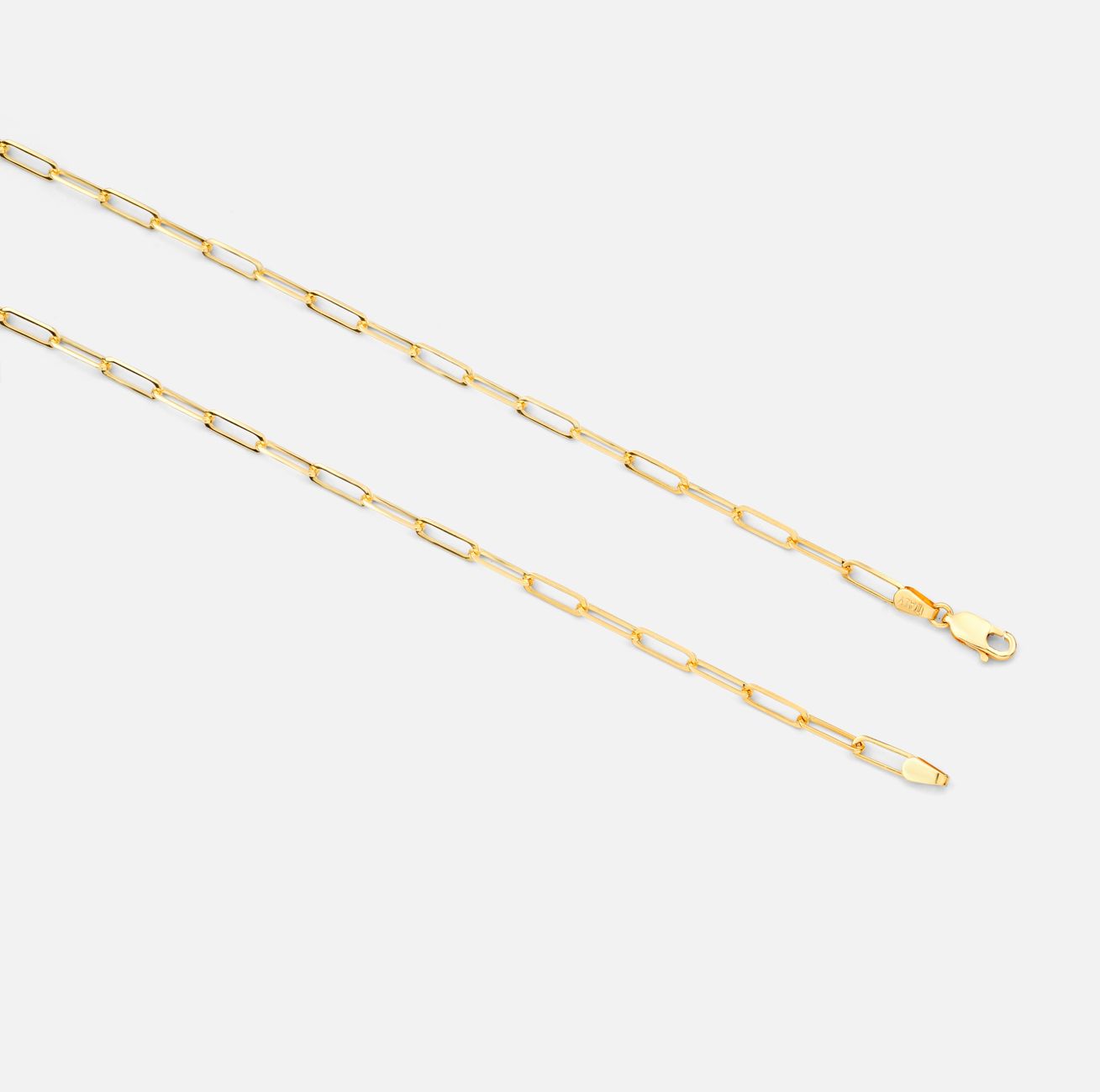
Your necklace clasp is probably catching your hair because it has a gap, rough edge, exposed spring, or moving lever. Stop wearing it until you inspect the clasp, since repeated snagging can break hair, irritate skin, and eventually weaken the necklace. A temporary adjustment may reduce tangles, but a jeweler should repair or replace a damaged clasp. This is especially important for gold, platinum, or gemstone necklaces whose value exceeds the cost of preventive work.
Table of Contents
- Find the Part Catching Your Hair
- Safe Ways to Reduce Snagging
- When the Clasp Needs Professional Repair
- Choosing a Less Snag-Prone Replacement
- Protecting the Necklace After Repair
Find the Part Catching Your Hair
Remove the necklace and examine the clasp under bright light or phone-camera magnification. Check the clasp, connecting rings, chain ends, and any soldered joints rather than assuming the main mechanism is responsible.
Common trouble spots include: Gently pass a cotton ball or a piece of fine fabric over the area. Fibers that catch can reveal a sharp edge, but do not pull hard or force material through the mechanism.
- A jump ring whose cut ends no longer meet
- A lobster clasp with a loose or misaligned lever
- A spring-ring clasp with a protruding tab or exposed internal spring
- Rough solder, burrs, or sharp edges near the chain ends
- A clasp that does not close completely
Safe Ways to Reduce Snagging
If the clasp is intact and simply rotates into your hair, wear the necklace slightly shorter or longer. Moving the clasp away from the hairline often reduces contact, especially with fine chains. An extender can change where the clasp rests, although its own links must be smooth and fully closed.
Wearing hair up also helps confirm whether contact with loose strands—not damaged hardware—is the main problem. Do not coat the clasp with clear nail polish, glue, wax, or tape. These materials can enter the mechanism, collect dirt, irritate skin, and complicate professional cleaning or repair.
When the Clasp Needs Professional Repair
A jeweler should inspect the necklace if the clasp has a visible gap, feels rough, opens under light pressure, or fails to close consistently. Stop using it immediately if the connecting ring is stretched or partly open. Depending on the fault, a jeweler may smooth a burr, close or solder a ring, adjust the mechanism, or install a new clasp.
Replacement is usually the safer choice when a spring has weakened or the clasp body has worn. Tell the jeweler the necklace's metal and whether it is plated, hollow, antique, or set with heat-sensitive stones. Those details affect which repair methods are suitable and whether nearby components need protection.
Choosing a Less Snag-Prone Replacement
A well-made lobster clasp is often a practical replacement because its body is relatively enclosed and easy to operate. Quality matters more than the clasp name: any design can snag if its edges are rough or its connecting rings remain open. A box clasp offers a smooth profile and often includes a safety catch, but it may be larger than a delicate chain.
Magnetic clasps can be convenient, yet they may release under a strong pull and are unsuitable around some implanted medical devices unless a clinician or device manufacturer confirms otherwise. Ask for a clasp that matches the necklace's metal, scale, weight, and finish. A heavy clasp can pull a pendant backward, while an undersized clasp may not provide enough security.
Protecting the Necklace After Repair
Test the repaired clasp over a soft surface before regular wear. Close it, apply gentle tension, and confirm that the lever or tongue returns fully without sticking. Clean around the clasp with a soft brush and mild soapy water only when that method is safe for every metal, gemstone, pearl, and treatment in the necklace.
Residue can restrict moving parts, but harsh chemicals and ultrasonic cleaning can damage certain materials. Inspect the clasp and adjoining rings whenever you put on a valuable necklace. If either ring develops a gap or the clasp stops closing cleanly, leave the piece off until a jeweler examines it.