
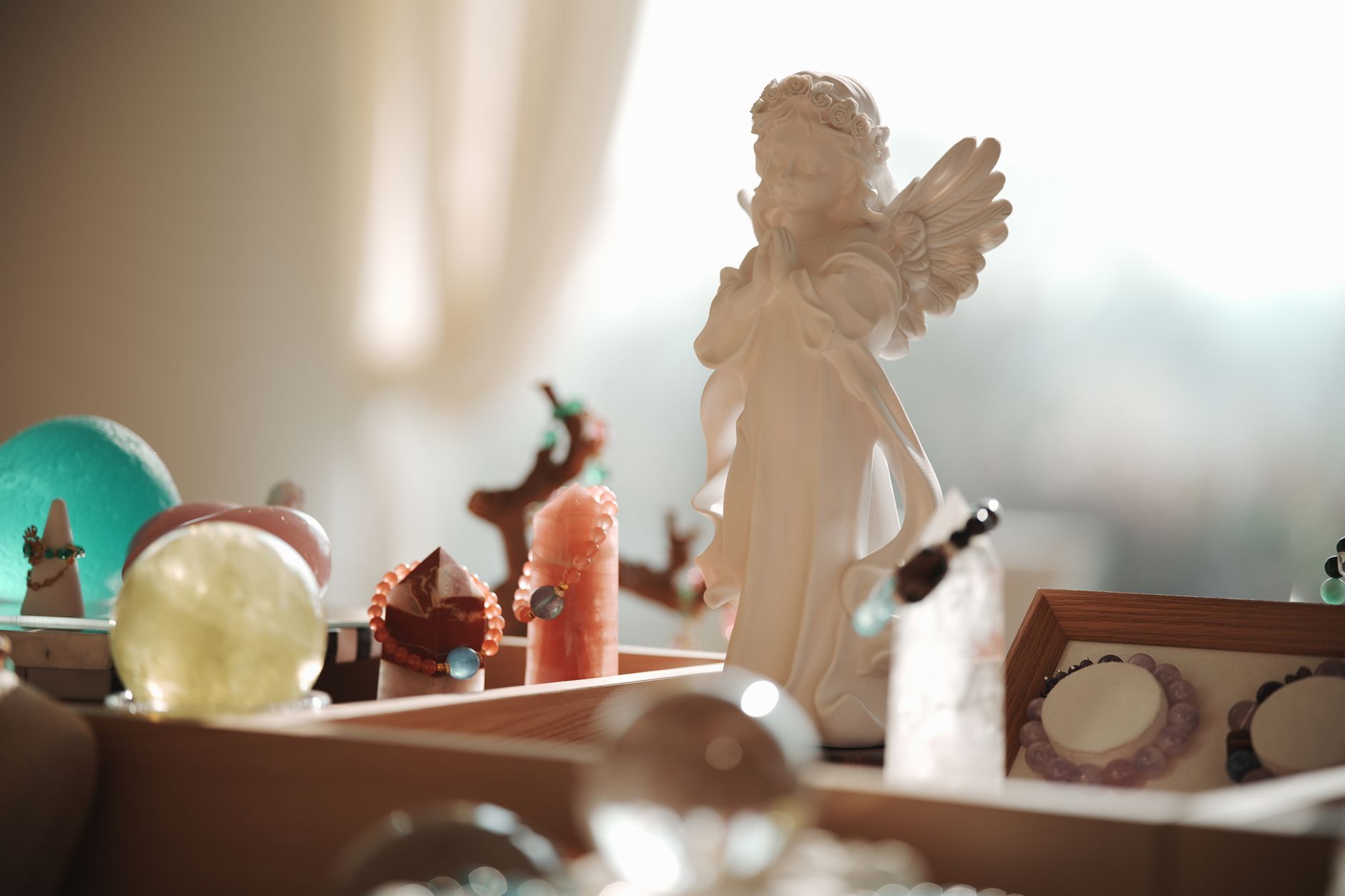
An online buyer should expect a precise material description, seller-backed documentation, and an independent gem report when value depends on authenticity. "Authentic crystal" is vague: it may describe natural quartz, another mineral, manufactured glass, or branded crystal. The evidence should match the price and specificity of the claim. Photographs, luxury packaging, and the word "certificate" do not establish composition by themselves.
Table of Contents
- What Does "Authentic Crystal" Actually Mean?
- Evidence to Request Before Buying
- What Can a Gem Laboratory Report Prove?
- Precious Metal Claims Need Separate Support
- Warning Signs and a Practical Verification Plan
What Does "Authentic Crystal" Actually Mean?
The seller should identify the material by name. "Natural rock crystal quartz," "lead crystal glass," and "laboratory-grown quartz" describe different products, despite sharing the word "crystal." The listing should also disclose treatments, coatings, dyes, assembled components, and synthetic or imitation material.
If the seller claims a geographic origin, rare variety, or famous manufacturer, expect separate support for that claim. "Authentic" may only mean that an item came from the named brand. It does not necessarily mean the stone is natural, untreated, rare, or valuable.
Evidence to Request Before Buying
Start with written information tied to the exact item or model. A useful listing or invoice should preserve the seller's promises after the product page changes.
Ask for: A seller's internal certificate is evidence of what the seller represents, not independent verification. It becomes more useful when it names the item, states test results, and identifies who performed the examination.
- The mineral, glass, or synthetic material's specific name
- Whether it is natural, laboratory-grown, treated, coated, dyed, or assembled
- Stone dimensions and weight, where applicable
- Metal type, fineness, total item weight, and hallmark photographs
- The maker or brand reference for branded crystal
What Can a Gem Laboratory Report Prove?
An independent laboratory can examine properties such as optical behavior, density, internal features, and chemical composition. Its report may identify the material and sometimes detect treatments or manufacturing methods. The report should match the jewelry through measurements, weight, photographs, inscriptions, or another unique description. A generic report for "quartz crystal" proves little if it cannot be connected to the item offered.
A report also has limits. Material identification does not automatically prove geographic origin, age, brand ownership, ethical sourcing, market value, or an absence of every possible treatment. An appraisal serves a different purpose. It estimates value for a stated use, while a laboratory report addresses identity and detectable characteristics; one should not be treated as a substitute for the other.
Precious Metal Claims Need Separate Support
A genuine crystal can still sit in plated or misrepresented metal. The seller should state whether the setting is solid gold, sterling silver, platinum, vermeil, gold-filled, or merely plated.
Hallmarks can support a fineness claim, but they are not conclusive because marks may be missing, misunderstood, or copied. For an expensive purchase, a qualified jeweler or assay service can test the metal after delivery. Check whether stone weight has been included in any quoted "gold weight." A total jewelry weight is not the same as the amount of precious metal in the piece.
Warning Signs and a Practical Verification Plan
Treat broad language as a warning when the price depends on rarity. Phrases such as "real crystal," "healing-grade," "diamond-like," or "premium Austrian style" may describe appearance or marketing position rather than material identity.
Before the return window closes: If the seller will not define "crystal" in writing, assume the phrase does not guarantee a natural gemstone. Pay only a price you would accept for the least valuable material consistent with the disclosed description.
- Save the listing, invoice, photographs, messages, and advertised specifications
- Compare the received item with its measurements, marks, report number, and packaging
- Verify report details through the named laboratory's official contact channel, if available
- Avoid scratch, flame, acid, or impact tests that could damage the jewelry
- Obtain independent testing when the cost is reasonable relative to the purchase