

Givenchy is experiencing a significant cultural resurgence driven by a combination of creative leadership, strategic positioning within the luxury market, and a broader generational shift toward heritage brands with authentic design credentials. The French luxury house, long considered Hubert de Givenchy’s legacy, has moved into the spotlight again following years of steady work to reestablish itself as a design-forward brand rather than a coasting heritage label. This moment reflects not nostalgia, but genuine momentum: Givenchy’s 2024-2025 collections have generated significant media coverage, luxury retailers are reporting stronger sales, and the brand’s jewelry and accessories divisions—particularly relevant to collectors of fine goods—are seeing increased demand from both established collectors and younger luxury consumers.
The timing converges with several market factors. The luxury jewelry and precious metals sector has seen renewed interest from investors and collectors seeking tangible assets with aesthetic value, and Givenchy’s distinctive aesthetic—sharp geometries, bold silhouettes, refined materials—positions its accessories particularly well within this moment. When celebrities like Ariana Grande, Bella Hadid, and others in influential circles wear Givenchy pieces, it signals legitimacy across demographics from Gen Z to affluent collectors in their 40s and 50s who appreciate heritage craftsmanship.
Table of Contents
- How Strong Design Direction Rebuilt Givenchy’s Market Position
- The Risk of Authenticity Fatigue in Heritage Brand Revivals
- Celebrity Visibility and Generational Handoff in Luxury Consumption
- Givenchy in the Context of Precious Metals Market Dynamics
- The Counterfeit Market Risk and Authentication Challenges
- The Jewelry Renaissance Within Givenchy’s Broader Resurgence
- What Givenchy’s Moment Signals About Luxury Market Direction
- Conclusion
How Strong Design Direction Rebuilt Givenchy’s Market Position
givenchy‘s current moment is built on consistent creative choices rather than a single viral moment or celebrity endorsement. The appointment of a leadership team committed to honoring Givenchy’s heritage while pushing contemporary boundaries has given the brand a clear editorial voice that appeals to both traditionalists and those seeking modern luxury. This contrasts sharply with the 2010s, when Givenchy felt scattered—sometimes chasing trends, sometimes retreating into safe archives.
The jewelry and accessories collections now reflect this clarity. Givenchy’s signature G-chain, reinterpreted across various weights and materials, has become a status symbol among luxury collectors comparable to Cartier’s Juste un Clou or Hermès Evelyne bag—it’s recognizable, versatile, and carries genuine craft. The brand has also invested in high-visibility collaborations and limited-edition releases that generate collector interest without oversaturating the market. For example, special jewelry editions released in partnership with luxury retailers have sold out within weeks, driving both FOMO (fear of missing out) among consumers and confidence among investors tracking luxury goods as alternative assets.

The Risk of Authenticity Fatigue in Heritage Brand Revivals
One limitation worth noting: Givenchy’s resurgence depends on maintaining the perception that it’s genuinely evolving, not merely reviving its founder’s old designs under new management. Luxury consumers are increasingly skeptical of heritage brands that lean too heavily on nostalgia without innovation. The brand must balance its archive—Givenchy’s 1950s-70s output remains genuinely influential—with contemporary relevance, a tightrope that many heritage houses have fallen off of in recent years.
There’s also a practical consideration for investors and collectors: growth in brand desirability doesn’t always translate to asset appreciation in the secondary market. While Givenchy bags and jewelry from recent collections are holding value reasonably well compared to other contemporary luxury goods, they lack the multi-decade track record of Hermès or Chanel. A collector purchasing a Givenchy precious metals piece or high-end jewelry item should do so with the understanding that resale value depends on the brand maintaining momentum—which, historically, luxury houses don’t always sustain.
Celebrity Visibility and Generational Handoff in Luxury Consumption
Givenchy’s visibility has surged partly because it appeals across age groups in ways that feel organic rather than forced. Audrey Hepburn’s iconic relationship with Givenchy in the 1950s and 60s still carries cultural weight, positioning the brand as sophisticated and historically significant. Simultaneously, younger consumers discovering Givenchy through contemporary celebrities and fashion media perceive it as cutting-edge rather than dated—a rare combination that many legacy brands struggle to achieve.
The jewelry component of this visibility is particularly significant for collectors. Givenchy’s luxury jewelry lines—especially pieces incorporating precious metals and gemstones—are visible on red carpets, in paparazzi photography, and across social media in ways that amplify awareness among high-net-worth individuals who might otherwise miss brand developments. A Givenchy bracelet worn to a major awards ceremony reaches millions of viewers and signals to jewelry collectors that the brand is competing at the highest aesthetic and craft levels.

Givenchy in the Context of Precious Metals Market Dynamics
From an investment perspective, Givenchy’s current moment intersects with broader interest in luxury goods as alternative investments. Precious metals prices have volatility, but branded jewelry and accessories incorporating gold, silver, or platinum offer both the commodity value and the brand premium. Givenchy pieces, particularly those in yellow or white gold, benefit from this dual value proposition in ways that pure fashion jewelry does not.
However, there’s a tradeoff to understand: jewelry from newer collections commands higher prices than vintage Givenchy pieces of equivalent craft and materials, entirely because of brand momentum and contemporary desirability. A collector buying Givenchy jewelry specifically as a precious metals investment might find better commodity value in unmarked or less-trendy branded pieces. But if the goal is to own beautiful, design-significant jewelry that may appreciate as Givenchy’s market position strengthens, recent collections offer stronger potential than older pieces that lack the benefit of current brand elevation.
The Counterfeit Market Risk and Authentication Challenges
A warning for collectors: Givenchy’s increased desirability has made it an attractive target for counterfeiters. The G-chain, in particular, is frequently counterfeited across various price points and material qualities. Authenticating Givenchy pieces—especially jewelry—requires understanding materials, construction techniques, hallmarks, and packaging details that can be replicated convincingly by sophisticated counterfeit operations. A collector should purchase from authorized retailers, directly from Givenchy boutiques, or from reputable secondary market dealers with transparent authentication processes.
The luxury jewelry market’s reliance on blind trust is a structural vulnerability. Unlike watches, which have specific serial numbers and service records, jewelry authentication often depends on provenance and documentation. Givenchy doesn’t maintain a centralized registry of individual pieces, so a collector purchasing a significant Givenchy jewelry piece should obtain a certificate of authenticity from the retailer and consider professional appraisal from a gemologist experienced with luxury branded goods. This adds cost but protects both the collector and the piece’s resale value.
The Jewelry Renaissance Within Givenchy’s Broader Resurgence
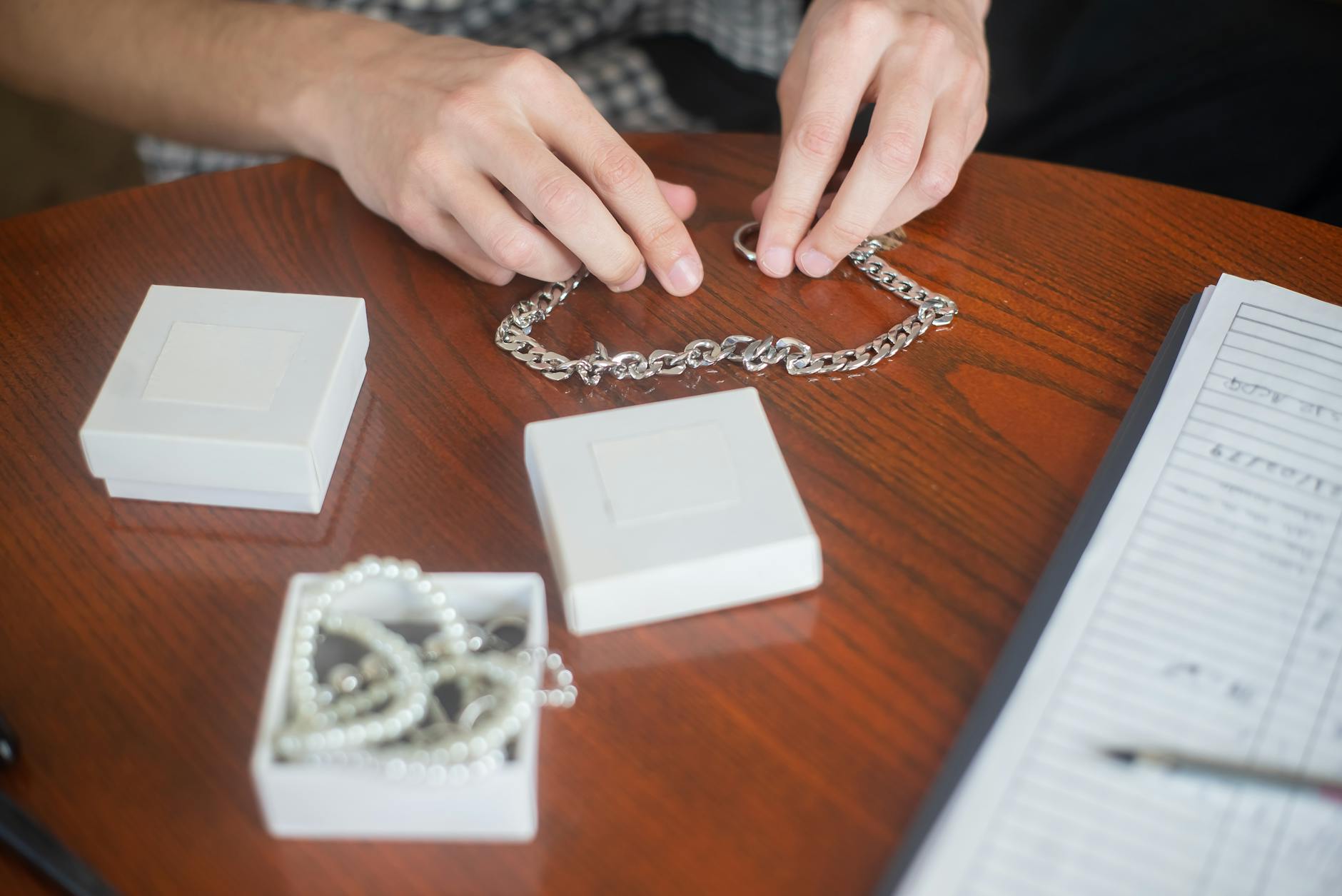
Givenchy’s jewelry division deserves specific attention because it’s often overlooked relative to the brand’s ready-to-wear and handbags, yet it represents some of the brand’s most compelling work. The current collections balance boldness with wearability—geometric designs that read as contemporary without becoming dated, precious metal work that demonstrates genuine technical skill, and price points that, while luxury-level, offer better value than equivalent pieces from some competitors.
The brand has invested in highlighting jewelry craftsmanship through more detailed product storytelling, including information about sourcing and production techniques. This transparency appeals to collectors interested in understanding what they’re buying, particularly important for precious metals pieces where material quality directly affects long-term value. A Givenchy gold bracelet from 2024 comes with clearer material specifications than equivalent pieces from 10-15 years ago, making it easier for collectors to evaluate authenticity and craft quality.
What Givenchy’s Moment Signals About Luxury Market Direction
Givenchy’s resurgence reflects a broader shift in luxury consumption away from logomania toward houses with genuine design authority and heritage. Collectors and consumers increasingly value brands that have something meaningful to say about aesthetics and craft, rather than brands that rely primarily on brand recognition and price points. For precious metals and luxury jewelry specifically, this means brands like Givenchy that can combine material quality with distinctive design philosophy will likely maintain relevance longer than those trading purely on status.
The sustainability of Givenchy’s momentum depends on consistent creative direction and the brand’s ability to maintain production quality as demand increases. Luxury goods manufacturers often struggle with scaling production while preserving the craftsmanship that drove desirability in the first place. If Givenchy successfully navigates this challenge—continuing to produce pieces that justify premium pricing through design and material quality—the brand’s current moment could extend into a multi-year resurgence. If production compromises occur, desirability can evaporate quickly in the luxury market.
Conclusion
Givenchy is having a moment because it has earned one: through consistent creative direction, clear positioning within luxury markets, and genuine appeal across demographic groups and price sensibilities. For collectors of precious metals and luxury jewelry, this moment represents a genuine opportunity to acquire beautifully designed, materially excellent pieces from a brand with historical significance and contemporary momentum. The key to successful collecting is understanding that momentum, while real, is not guaranteed to last indefinitely.
The practical takeaway for collectors is to focus on individual pieces that justify their price through material quality and design merit, rather than betting entirely on brand trajectory. A stunning Givenchy gold piece with excellent craftsmanship will retain aesthetic and commodity value regardless of whether the brand’s cultural position remains elevated five years from now. Authenticate carefully, purchase from reputable sources, and approach Givenchy’s current desirability as an opportunity to own exceptional luxury goods—not as speculation on brand future.