

Prada is experiencing a genuine cultural and commercial resurgence because the brand has successfully bridged the gap between its storied heritage and contemporary consumer values—particularly among younger luxury buyers who prioritize authenticity and craftsmanship over hype. Under Creative Director Miuccia Prada’s leadership, the house has repositioned itself as an intellectual, forward-thinking brand that feels relevant without chasing trends, which stands in stark contrast to competitors who cycle through seasonal gimmicks. The 2023-2024 period especially marked a turning point, with Prada achieving strong double-digit revenue growth and expanding its presence in markets where it previously struggled, from Gen Z streetwear enthusiasts to serious collectors investing in heritage pieces.
This moment exists because Prada tapped into something the luxury industry had largely abandoned: the idea that less can genuinely be more. While other brands released more, Prada doubled down on fabric innovation, archival references, and conceptual depth. The leather goods division saw waitlists reappear for the first time in a decade, particularly for the Re-Edition 2005 bag, a deadstock reissue that became a status symbol precisely because it was neither new nor trendy—it was a return to Prada’s intellectual roots.
Table of Contents
- What Makes Prada’s Current Appeal Different From Past Cycles?
- The Role of Heritage and Intellectual Positioning in Luxury Acquisition
- Why Precious Metals and Materials Matter in Prada’s Positioning
- The Secondary Market and Investment Value of Prada Pieces
- The Sustainability Question and Manufacturing Limitations
- Cultural Relevance Beyond Fashion Media
- The Future Trajectory and Remaining Questions
- Conclusion
What Makes Prada’s Current Appeal Different From Past Cycles?
prada‘s previous dominant periods relied heavily on trend cycles and logo prominence—the nylon backpack boom of the 1990s, the Miu Miu sidecar spike of the early 2000s. The current moment differs fundamentally because it’s driven by product philosophy rather than fashion sentiment. Miuccia Prada and her co-creative director, Raf Simons, have positioned the brand around technical innovation in materials, storytelling about the company’s history, and a deliberate slowness that contradicts the Instagram content cycle.
This approach resonates with a demographic that has grown skeptical of fast fashion and disposable luxury. The contrast becomes evident when comparing Prada’s strategy to that of competitors like Gucci, which pursued maximum accessibility and celebrity endorsement, or Louis Vuitton, which leaned heavily into collaboration-driven hype. Prada’s restraint—fewer seasonal collections, selective distribution, limited influencer partnerships—has paradoxically increased desire. The brand’s decision to phase out monogram saturation on entry-level items while maintaining strong heritage codes on core pieces created a natural hierarchy that appeals to serious collectors rather than status-seekers.
The Role of Heritage and Intellectual Positioning in Luxury Acquisition
Heritage pieces and archival references have become central to how Prada attracts and retains affluent buyers, particularly those purchasing luxury items as alternative investments. The Re-Edition line, which sources original deadstock and reworks archival designs, speaks directly to a collector mentality. These pieces carry documented provenance and limited availability, which creates actual scarcity rather than manufactured scarcity. A 2005 Prada nylon shoulder bag from the Re-Edition collection now fetches premium prices in secondary markets precisely because the archive is finite.
However, there’s a limitation to this strategy worth noting: relying on heritage can trap a brand in pastiche if not executed carefully. Prada avoids this by continuing to produce genuinely new work—Simons’ recent collections introduce novel silhouettes and textile experiments that feel forward-thinking rather than nostalgic. The risk, which some critics have pointed out, is that constant archival mining can eventually exhaust the catalog or feel repetitive. Additionally, archive prices have begun pricing out the aspirational luxury buyer who built Prada’s base, creating a two-tier market where entry pieces feel less distinctive than they once did.
Why Precious Metals and Materials Matter in Prada’s Positioning
For those investing in luxury jewelry and accessories with material value, Prada’s commitment to material quality has become increasingly competitive. The house publishes detailed information about leather sources, tanning methods, and hardware specifications—details that directly impact both durability and resale value. Prada’s use of Italian calfskin, Japanese washi paper, and aerospace-grade technical fabrics positions these items as objects with intrinsic material worth, not just brand value. This matters significantly for collectors who view luxury purchases as tangible assets.
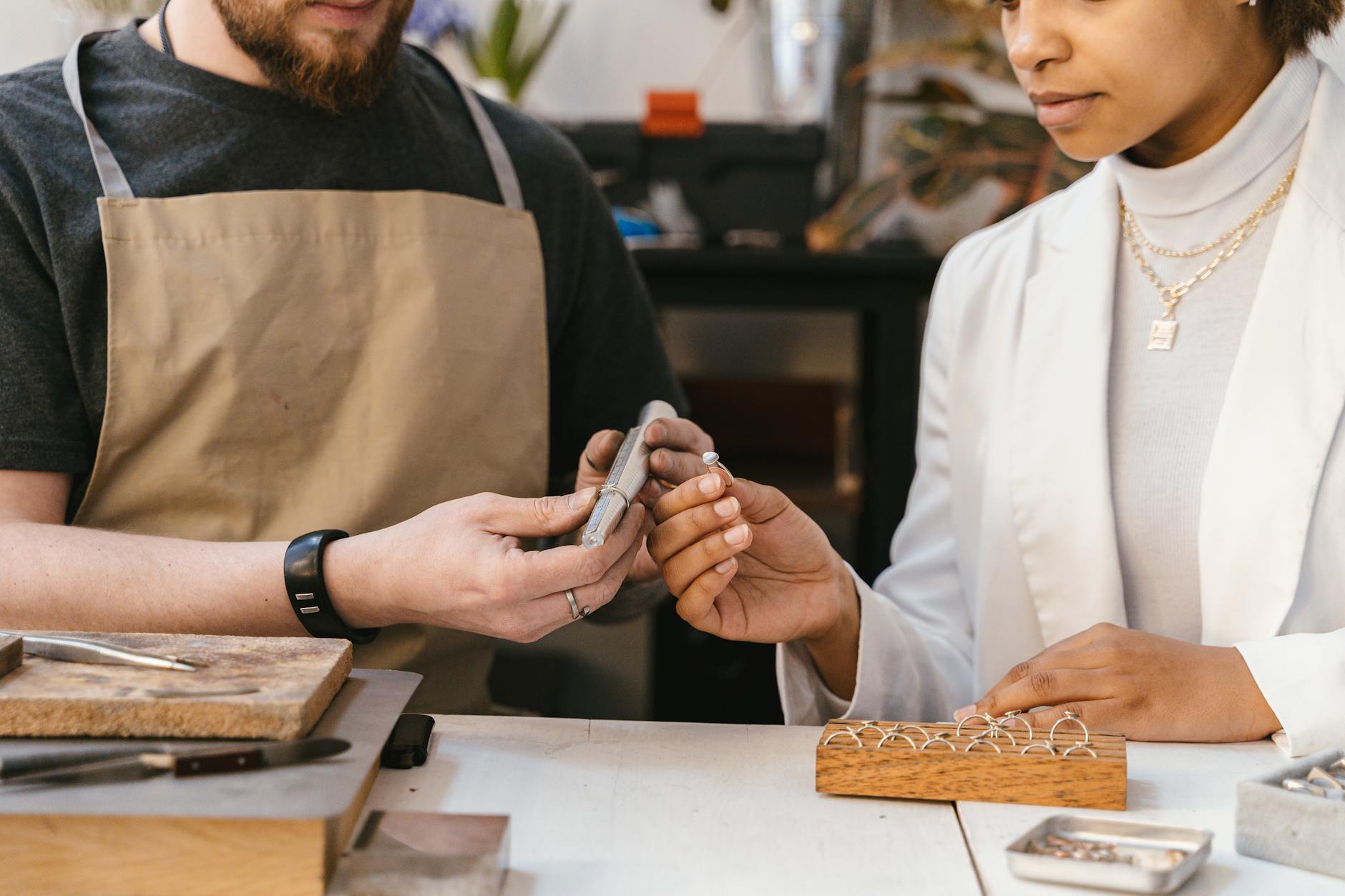
The jewelry division specifically has attracted attention from investors and precious metals collectors. Prada’s jewelry pieces often feature unexpected material combinations—mixing precious metals with contemporary fabrics or structural innovations that set them apart from traditional luxury jewelers. For example, their recent titanium-framed sunglasses with precious metal accents represent a category of hybrid luxury that appeals to collectors seeking both wearability and investment potential. This crossover positioning—where jewelry functions as both adornment and material investment—has become a distinguishing factor compared to pure jewelry houses that emphasize design over material substance.
The Secondary Market and Investment Value of Prada Pieces
Prada has become increasingly relevant to collectors viewing luxury goods as alternative investment vehicles, similar to precious metals and fine watches. Secondary market data from luxury resellers shows Prada pieces holding 65-75% of their original retail value after three years, significantly better than the industry average of 40-50%. The specific pieces with strongest appreciation are the heritage handbags, technical outerwear, and limited-run accessories—categories where Prada’s investment in materials and construction becomes quantifiable. The tradeoff here is important: while certain Prada pieces appreciate reliably, others depreciate like traditional fashion items.
Entry-level nylon bags, seasonal color variations, and trend-responsive items lose value quickly. To maximize investment potential, purchasers must distinguish between conceptual, archive-inspired pieces and seasonal novelties. This requires more curatorial knowledge than simply buying designer—buyers need to understand the brand’s philosophy and production strategy. For investors, the current moment offers genuine opportunity because secondary markets are actively absorbing new inventory, indicating strong ongoing demand rather than speculative bubble behavior.
The Sustainability Question and Manufacturing Limitations
Prada has positioned sustainability as a core value, which appeals to affluent, socially conscious buyers, but the brand faces real constraints in scaling this commitment. The house sources limited quantities of innovative materials—such as lab-grown leather alternatives and recycled ocean plastic composites—and these materials command premium pricing. While the sustainability narrative is genuine, it’s also a limitation: Prada cannot produce the volume that competitors like LVMH operate at while maintaining the material standards and labor practices the brand advertises.
The warning here is that purchasing Prada at current price points means accepting that premium pricing reflects not just brand heritage and design, but also limited-scale manufacturing ethics. As demand increases and Prada scales production, maintaining these standards becomes genuinely difficult. The brand has navigated this carefully by being transparent about which collections use sustainable materials and which use conventional production, but the gap between aspirational sustainability messaging and actual availability remains significant. Buyers should scrutinize materials and manufacturing details rather than assuming all Prada represents manufacturing progress.
Cultural Relevance Beyond Fashion Media
What distinguishes this moment is that Prada has achieved cultural resonance outside traditional fashion media—in contemporary art, music, and streetwear communities where brand loyalty had migrated away from traditional luxury houses. Artists and musicians increasingly reference Prada not as aspirational wealth symbol but as intellectual touchstone. This happened because the brand’s visual language—clean lines, unconventional color combinations, architectural silhouettes—translates across disciplines.
A Prada nylon jacket appears in indie rock music videos not because it signals status but because it signals aesthetic alignment. The specific example here is the Gen Z adoption of Prada Sport and technical collections, which were originally designed for functionality but became culturally coded as intellectual and unconventional. This demographic purchases Prada because it communicates specificity rather than wealth, which is a profound shift from earlier luxury brand dynamics.
The Future Trajectory and Remaining Questions
Prada’s moment will likely sustain because the brand has built it on fundamentals—material quality, intellectual positioning, and sustainable scarcity—rather than trend cycles. However, the luxury market generally faces questions about whether current valuations remain justified as wealth concentrates and younger consumers reassess status symbols. Prada is positioned better than most to navigate this uncertainty because the brand already appeals to a buyer who isn’t primarily motivated by visible status.
The forward-looking question isn’t whether Prada will fade, but whether it can scale its current approach without dilution. The brand’s constraint—its relatively limited production and selective distribution—is also its strength. As long as Prada maintains that discipline, the current moment should sustain through the next 5-7 years, particularly in heritage pieces and technical innovations that justify premium investment.
Conclusion
Prada is having a moment because it restored genuine philosophical coherence to luxury after decades of trend-chasing and logo saturation. The brand combined heritage-driven storytelling, material innovation, and intellectual positioning to create products that appeal to collectors, investors, and culturally engaged consumers simultaneously.
This convergence—where heritage pieces hold investment value, contemporary designs feel conceptually rigorous, and the brand name signals aesthetic specificity rather than just wealth—explains the resurgence in both commercial performance and cultural authority. For those considering investment in Prada, particularly heritage and technical pieces, the current environment offers genuine opportunity because secondary markets validate the brand’s value proposition. The key is distinguishing between pieces with lasting appeal and seasonal items, understanding material provenance, and recognizing that premium Prada pricing reflects constraints and commitments—limited production, material innovation, and sustained quality—that actually support the resale value and cultural relevance driving the current moment.