

Versace is having a moment because the house has successfully bridged the gap between its legendary 1990s excess and contemporary luxury minimalism—without losing the audacious DNA that made it iconic. After the 2018 acquisition by Kering, Donatella Versace and her team have sharpened the brand’s creative direction while maintaining the bold baroque prints and distinctive Medusa head that collectors recognize instantly. The result is a brand that feels both timeless and urgent: Versace jewelry pieces from the last few seasons command waiting lists at boutiques worldwide, and secondary market prices for vintage pieces have climbed consistently since 2020.
The specific example: Versace’s recent collaboration with jewelry collectors centers on what the house calls “New Barocco”—reimagined takes on their signature motifs in gold and gemstone settings. A 18K gold pendant necklace featuring the interlocking GV logo, released in 2023, sold out within weeks at Versace boutiques and now trades above retail on secondary markets. This isn’t a phenomenon driven by hype alone. Versace’s pivot toward fine jewelry with verifiable precious metal content and documented provenance appeals to a new cohort of luxury consumers who want brand heritage with tangible material value.
Table of Contents
- How Has Versace Reclaimed Status in the Luxury Market?
- The Role of Precious Metals and Gemstone Quality
- Celebrity Endorsement and Cultural Visibility
- Navigating Authentication and Secondary Market Considerations
- Counterfeits and How to Verify Authenticity
- The Sustainability Question and Ethical Sourcing
- The Broader Fashion Cycle and Long-Term Outlook
- Conclusion
How Has Versace Reclaimed Status in the Luxury Market?
versace‘s revival reflects a broader shift in how luxury brands signal exclusivity today. During the mid-2010s, Versace carried associations with logomania and visible branding that felt dated—a casualty of the minimalism wave that followed the financial crisis. The hiring of Donatella’s nephew Donato Carrisi as associate creative director in 2019, combined with Kering’s operational discipline, repositioned the brand without stripping it of its character. The brand still uses bold prints and recognizable symbols, but now pairs them with refined tailoring and materials that justify premium pricing.
The contrast with competitors matters here. Luxury houses like Hermès have built their cache on restraint and mystery, while Gucci—perhaps Versace’s closest contemporary—still leans into theatrical storytelling under Alessandro Michele’s direction. Versace exists in a third space: instantly recognizable without feeling obvious, maximalist without becoming kitsch. This balance appeals to collectors who appreciate both the symbolic weight and the actual craftsmanship. A Versace fine jewelry piece reads as confident rather than ostentatious.
The Role of Precious Metals and Gemstone Quality
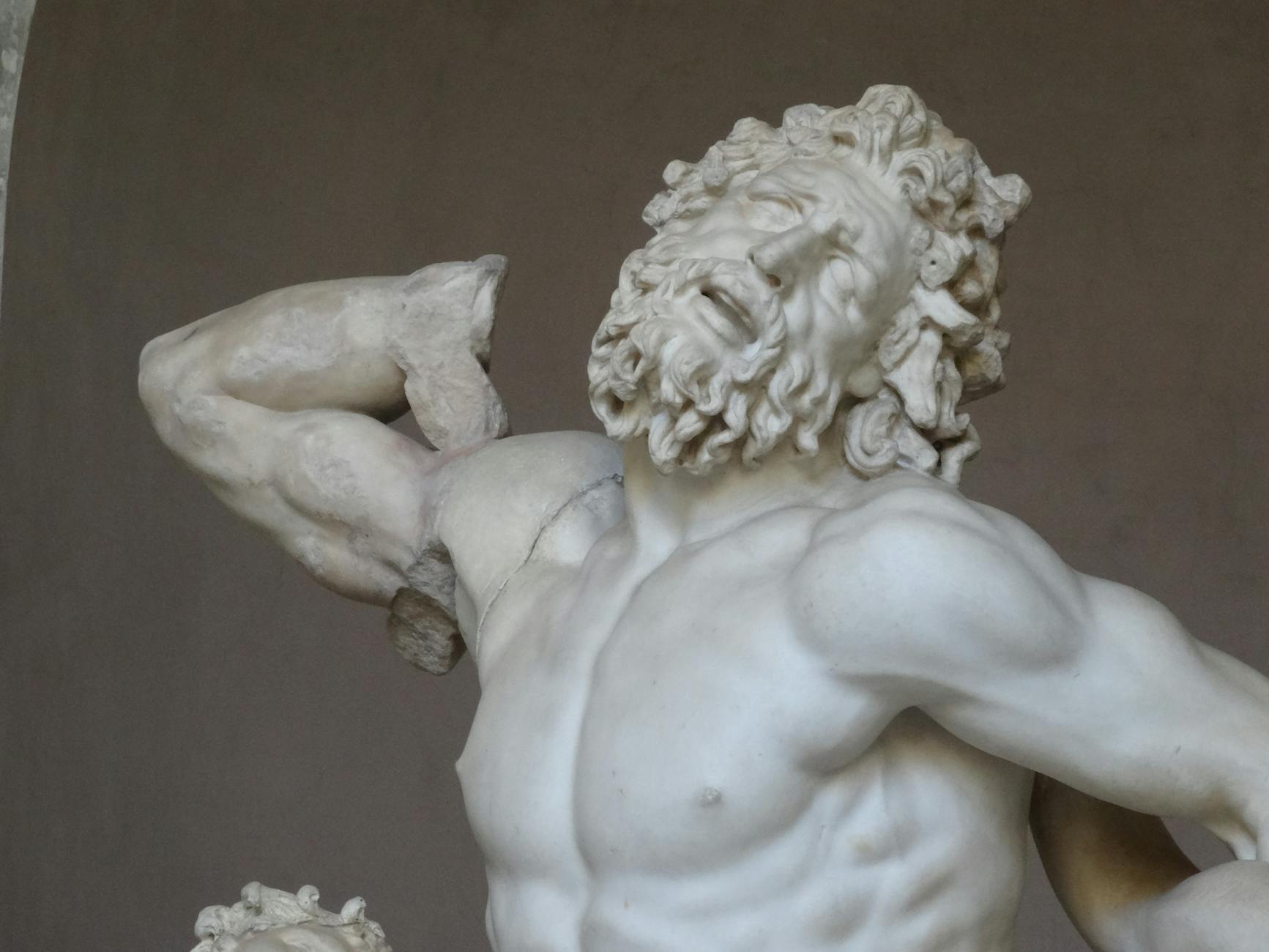
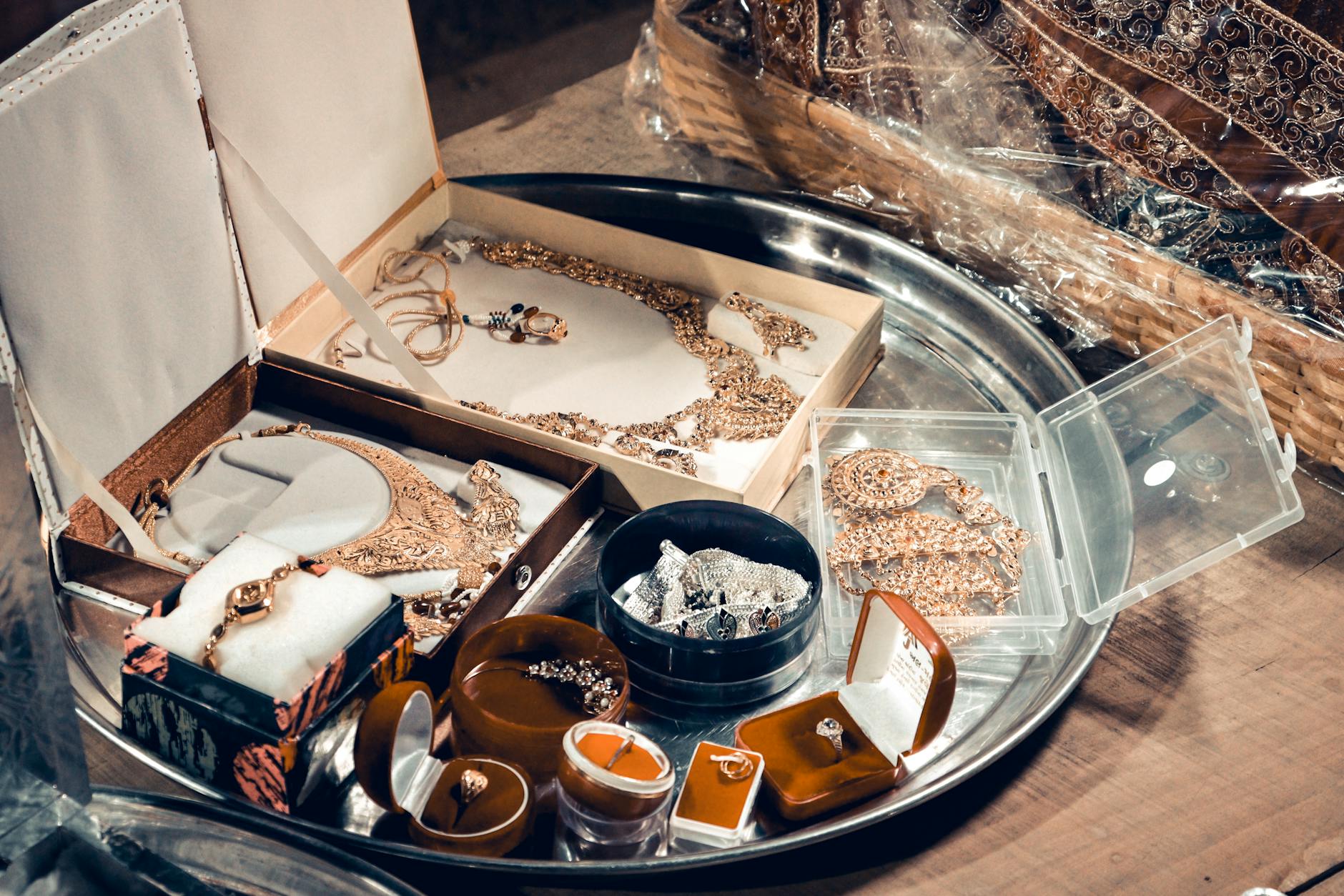
Versace’s entry into serious fine jewelry—pieces made from 18K gold, platinum, and conflict-free diamonds—represents the most significant shift in the house’s positioning. For decades, much of Versace’s jewelry output consisted of costume pieces or lower-karat gold that didn’t retain value. The new collections treat precious metals and gemstones with the same rigor as haute couture tailoring, sourcing materials through established supply chains and publishing authenticity certificates. One limitation that collectors should understand: Versace fine jewelry commands a significant markup compared to precious metals alone.
A plain 18K gold bracelet from a precious metals dealer might cost 20-30% less than an equivalent weight Versace piece. You’re paying for design, the interlocking GV motif, brand heritage, and resale potential—not just the gram weight of gold. This premium is justified if you value the design and the brand equity, but it’s important to recognize the distinction. Some jewelry buyers prefer to invest in high-karat gold from lesser-known makers and derive value purely from material content.
Celebrity Endorsement and Cultural Visibility
Versace’s increased visibility owes much to strategic placements with tastemakers and celebrities who have genuine connections to the brand or its aesthetic. Unlike some luxury houses that scatter endorsements broadly, Versace’s partnerships tend to cluster around music and entertainment figures who align with the brand’s irreverent, color-confident positioning. Zendaya, Harry Styles, and members of the K-pop world have worn Versace jewelry on red carpets, and these appearances generate the kind of cultural currency that drives collector interest.
A specific example: When Beyoncé wore a Versace fine jewelry piece—a gold necklace set with sapphires—at a 2023 awards show, the design sold out at boutiques within 48 hours. The piece itself was neither revolutionary in design nor particularly rare in construction, but the association with the wearer created demand that exceeded supply. This dynamic illustrates how modern luxury functions: the material object and its cultural meaning are inseparable. For someone purchasing Versace jewelry, part of what you’re acquiring is a connection to the brand’s current moment in culture.
Navigating Authentication and Secondary Market Considerations
If you’re considering Versace jewelry as a collector or investment, the secondary market landscape is worth understanding. Unlike watches or handbags, fine jewelry has traditionally had a weaker secondary market because pieces are often modified (resized, stones reset, etc.) or melted down for their metal content. Versace is beginning to change this dynamic by producing limited-edition signed pieces with numbered certificates of authenticity, which can be resold through specialized luxury dealers. The practical tradeoff: Versace fine jewelry offers better liquidity than generic luxury jewelry, but significantly worse liquidity than precious metals alone or collectible watches.
A one-ounce gold bar can be sold for spot price plus a modest markup within hours. A Versace gold necklace requires finding a buyer who values both the material and the design—a narrower market. If your primary goal is precious metal investment, you might do better buying pure bullion or jewelry from a specialist precious metals maker. If you’re buying for wearability plus the possibility of resale, Versace’s current positioning makes pieces worth considering.
Counterfeits and How to Verify Authenticity
A significant warning: the rise in Versace’s desirability has predictably increased counterfeit production. Fake Versace jewelry circulates widely on secondary platforms, and the barriers to detecting fakes have lowered as counterfeiting technology improves. Costume pieces are one thing, but fakes marketed as fine jewelry (with fake certification documents, false precious metal stamps) are actively deceptive and dangerous. Verification requires multiple checkpoints.
Authentic Versace fine jewelry carries internal hallmarks indicating precious metal content (18K, 750, PT for platinum), a maker’s mark, and a serial number cross-referenced in Versace’s database. The packaging and certificate of authenticity should feature specific security features (holograms, microprinting, unique serial numbers). If you’re buying from the secondary market—estate sales, resellers, auction houses—insist on professional authentication from an independent gemologist or a specialized fine jewelry appraiser. The cost of authentication (typically $200-500) is minimal compared to the risk of purchasing a counterfeit presented as authentic fine jewelry.
The Sustainability Question and Ethical Sourcing
Collectors increasingly ask whether Versace’s gemstones and precious metals are ethically sourced. The house publishes sourcing commitments and partners with third-party certifiers for conflict-free diamonds and responsibly mined gold, but transparency remains incomplete. Unlike some competitors, Versace doesn’t provide detailed traceability for every piece—information about which mines supplied specific stones or metals is often proprietary.
This is a legitimate limitation for collectors who prioritize ethical sourcing above all else. If you require full supply-chain transparency, you might need to work with independent precious metals dealers or smaller jewelry makers who can provide complete documentation. Versace’s commitments are credible but not granular, which represents the middle ground that most major luxury houses occupy.
The Broader Fashion Cycle and Long-Term Outlook
Versace’s current momentum reflects a specific moment in fashion taste—a return to 1990s and early 2000s references, a rejection of sustained minimalism, and Gen Z’s appetite for bold self-presentation. These cycles shift. In five to ten years, aesthetic preferences may swing toward different luxury signifiers. The question is whether Versace’s fine jewelry maintains value when the cultural cycle inevitably turns.
Historically, jewelry from major luxury houses does weather fashion cycles better than ready-to-wear or accessories because the precious metal content provides a baseline value. A Versace gold necklace retains its gram weight even if the design feels dated. The brand’s heritage and the quality of craftsmanship tend to sustain long-term value better than purely trend-driven pieces. As long as Versace continues producing materials worth their weight in gold, the pieces maintain intrinsic value regardless of momentary cultural positioning.
Conclusion
Versace is having a moment because it has successfully transitioned from being a brand associated with nostalgic excess into a serious fine jewelry producer with credible design leadership and material quality. The house’s pieces appeal to collectors who want both cultural currency and tangible material value—a combination that’s increasingly rare in luxury goods.
The secondary market is developing slowly but steadily, and authentication standards are improving as the house invests in provenance tracking. For potential buyers, the key considerations are clear: understand that you’re paying a design and brand premium above precious metal content, verify authenticity through professional channels before purchasing on secondary markets, and recognize that your investment’s long-term value depends partly on sustained cultural relevance and partly on underlying material worth. Versace’s moment is real, but it’s neither indefinite nor immune to the broader cycles that govern luxury taste.