
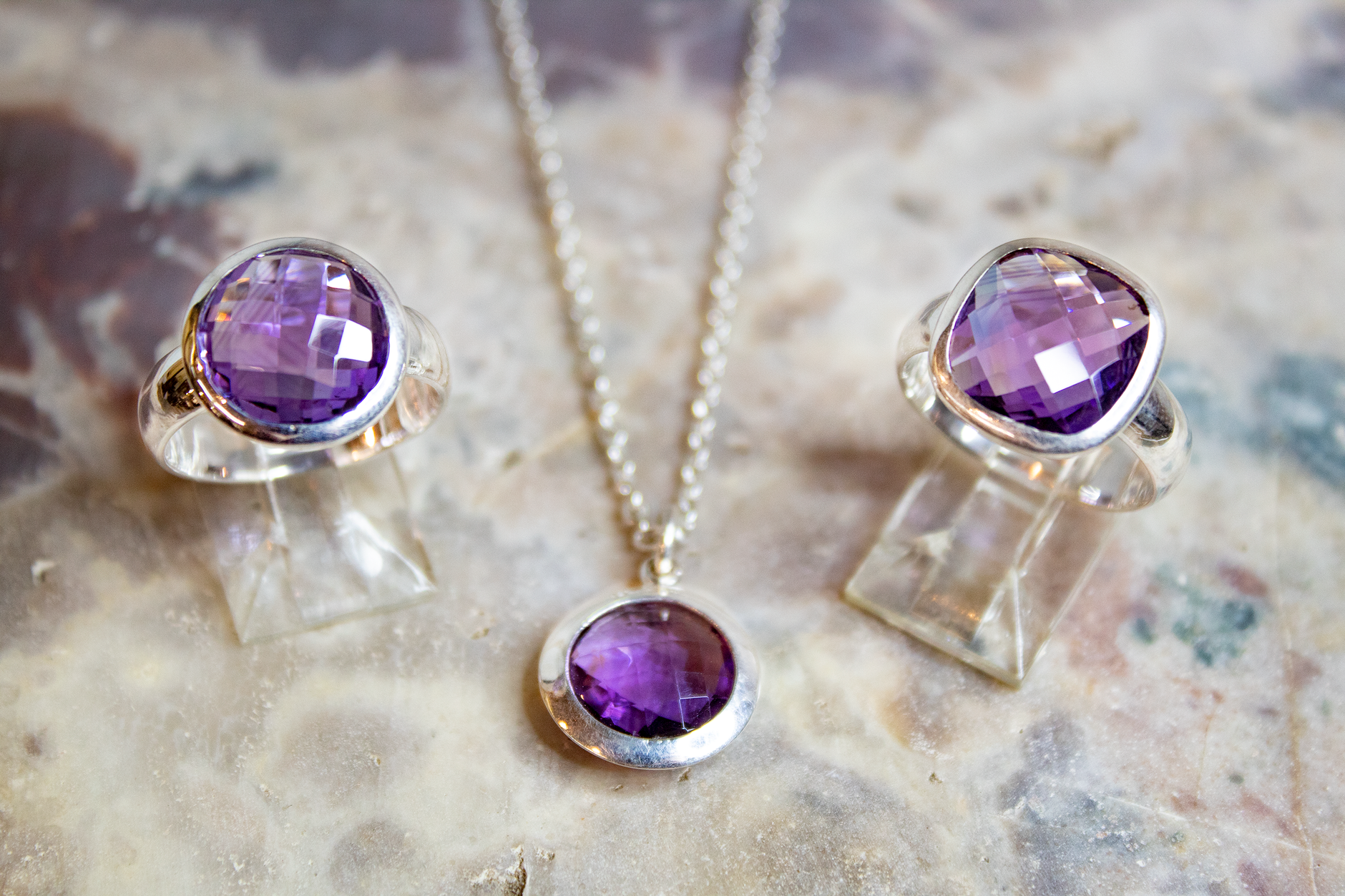
A bezel setting is a metal rim that surrounds a gemstone and holds it by its outer edge. Shoppers choose it for a ring because it shields the stone and gives a smooth surface that catches less. Platinum, yellow gold, white gold, and rose gold can form that rim. The rim can circle the stone fully or hold it at opposite sides with small openings.
Table of Contents
- How a bezel holds a stone
- Why it suits daily wear
- How it changes the look of a ring
- What to weigh before you choose
How a bezel holds a stone
A jeweler shapes a metal collar to match the outline of the stone. The stone drops into the collar, and the top edge of the metal is pressed against the stone. Friction and the lip of metal keep the stone in place. A full bezel runs around the whole stone.
A partial bezel, also called a half bezel, leaves two sides open and uses metal tabs at the ends. The openings admit more light and make cleaning easier. The rim contacts the girdle, which is the thin outer edge of a cut stone. Cabochons, which are smooth domed stones without flat top facets, also sit well in this style. Round, oval, cushion, and emerald cuts are common choices.
Why it suits daily wear
The metal edge covers the most exposed part of the stone. That cover lowers the chance of chipping at the edge during bumps.
The surface also has no tall claws to catch on cloth, hair, or gloves. Active hands benefit from that profile. Nurses, cooks, makers, and parents often prefer a ring that slides into a pocket or glove without effort.
- Smooth rim snags less than raised prongs
- Low profile sits closer to the finger
- Edge cover helps softer stones such as opal, turquoise, and pearl
- Dirt has fewer small claws and corners to collect around
How it changes the look of a ring
A bezel adds a visible band of metal around the stone. That band can make a small stone read larger and gives a clean, modern line. It also hides small chips or uneven edges at the girdle. The same metal can reduce light from the side.
A diamond may show slightly less edge brightness than in an open prong setting, which lifts the stone on small claws. Colored stones still show strong face-up color because most viewing comes from above. Shape and metal color matter. A thin platinum rim looks crisp around a round diamond. A wider yellow-gold rim gives an oval sapphire or emerald a bold frame.
What to weigh before you choose
Resizing can be harder with a full surrounding rim. The shank, which is the band of the ring, may need work that also shifts the setting. Partial styles and plain shanks are often simpler to adjust. Cleaning needs attention at the joint where metal meets stone.
Lotion and soap can collect under the rim. Warm water, mild soap, and a soft brush remove most buildup, and open-backed designs drain faster. Light, inspection, and repair also differ. A closed back blocks side light and hides the underside of the stone. Ask a jeweler how the design allows cleaning behind the stone and how a loose stone would be tightened or replaced.