
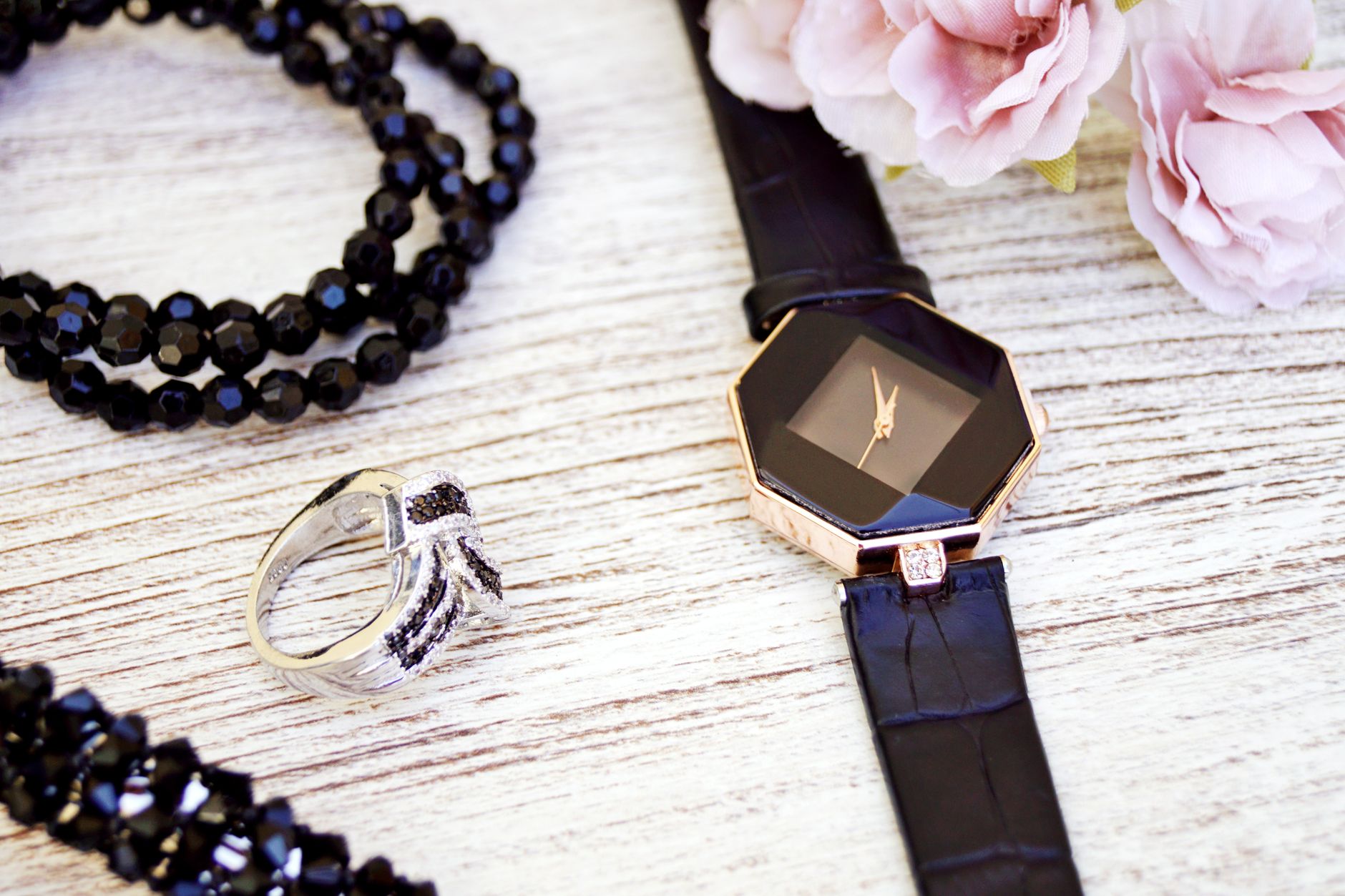
A rose gold vermeil ring has a sterling-silver base coated with rose-colored gold alloy; under U.S. guidance, vermeil requires gold of at least 10 karats and a coating at least 2.5 microns thick.
A "925" or "Sterling" mark identifies the silver beneath, but no common hallmark proves the coating's color, karat, or thickness. Definitions and marking rules vary by country. A careful buyer should therefore check the seller's written specifications instead of relying on the word "vermeil" or a stamp alone.
Table of Contents
- What is beneath the gold?
- What creates the rose-gold finish?
- Why does coating thickness matter?
- What do the hallmarks actually prove?
- How to assess a ring before buying
What is beneath the gold?
In the stricter U.S. sense, vermeil uses sterling silver as its base metal. Sterling silver contains at least 92.5% silver; other metals provide strength because fine silver is relatively soft. A brass, copper, or stainless-steel ring with gold on top is gold-plated jewelry, not vermeil under that definition.
The distinction matters because the exposed base will look and behave differently if the coating wears through. The silver core also affects care. Sterling silver can tarnish where it is exposed, including inside scratches or along worn edges. Tarnish does not necessarily mean the ring is counterfeit, but an unexpected yellow or gray base metal may contradict a vermeil claim.
What creates the rose-gold finish?
Rose gold gets its pink tone from the metals alloyed with gold, especially copper. The exact shade can range from subtle blush to reddish pink, depending on the formulation and any intermediate layers used during plating. A description such as "18k rose gold vermeil" refers to the fineness of the surface alloy, not the entire ring.
An 18-karat coating is nominally 75% gold, while the ring's structural body remains sterling silver. Color alone cannot establish karat fineness. Lighting, photography, copper content, surface polish, and protective coatings can make two rings with the same stated karat look different.
Why does coating thickness matter?
Under U.S. jewelry guidance, a vermeil coating should be at least 2.5 microns thick, equal to 0.0025 millimeters. That is substantially more than a very thin "flash" coating, although both remain surface finishes rather than solid gold. Thickness influences how long the rose color can survive, but it does not guarantee a lifespan.
Rings experience frequent friction from washing, gripping objects, lotions, and contact with other jewelry. Poor surface preparation or plating adhesion can also shorten wear. A seller should state thickness in microns when making a precise vermeil claim. Terms such as "heavy," "premium," or "luxury plated" do not provide a measurable substitute.
What do the hallmarks actually prove?
A "925," ".925," or "Sterling" mark generally represents the fineness of the silver base. Depending on the country, the ring may also carry a maker's, sponsor's, or assay-office mark. Those marks do not ordinarily certify that the gold layer is 2.5 microns thick. A standalone "14K" or "18K" mark may also create confusion because buyers often associate such marks with solid gold.
The product description should clearly connect any karat claim to the coating. Hallmark requirements, exemptions, and enforcement differ across markets. A missing mark is a reason to ask questions, but it is not conclusive proof of misrepresentation; small items and imported jewelry may face different rules. Likewise, a "925" stamp can be applied improperly and is not an independent assay.
How to assess a ring before buying
Use the listing, seller disclosures, and return terms together: For longer wear, remove the ring before swimming, cleaning, exercising, or applying lotions and perfume. Clean it gently with a soft, dry cloth; abrasive polish intended for bare silver can remove the rose-gold surface.
- Confirm that the stated base is sterling silver, not merely "silver tone."
- Look for a specific coating thickness of at least 2.5 microns when applying the U.S. vermeil standard.
- Check whether the stated karat applies to the outer rose-gold alloy.
- Ask about nickel or other intermediate layers if you have a known metal sensitivity.
- Treat "925" as evidence about the base, not proof of plating thickness.