
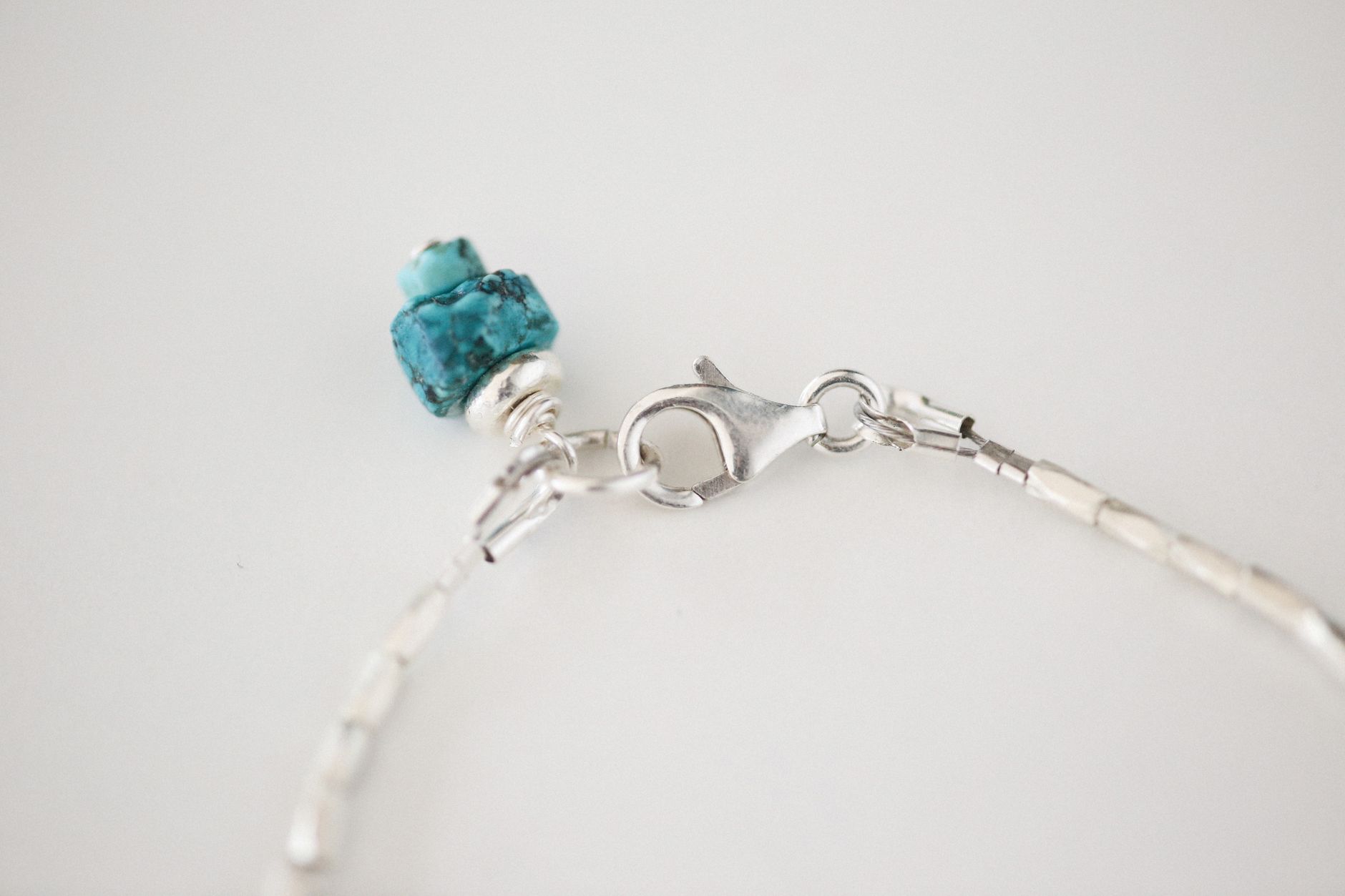
A clasp is the fastener that closes a necklace or bracelet; compare the delivered clasp to the listing photos, title, and specifications line by line. A first-wear failure points to a mismatch or defect when the style, markings, or function differs from what the seller promised. Save the listing, receipt, packaging, and failed clasp before you contact the seller. Clear photos and notes make a warranty or return request faster and stronger.
Table of Contents
- What to compare on the clasp?
- Do the metal marks match the listing?
- Does a first-wear failure count as a defect?
- How do you protect a return or payment claim?
What to compare on the clasp?
Look first at clasp style, size, and operation. A listing may promise a lobster clasp but deliver a thin spring ring. A toggle, box clasp, or magnetic clasp should match the named type and pictured shape.
Test how it opens, closes, and locks. It should snap shut, stay shut with a light tug, and release only with its intended lever or button. Note stiffness, gaps, weak springs, or sharp edges.
- Listing title and photos versus delivered shape and finish
- Stated clasp type versus working mechanism
- Stated length, width, and metal color versus actual piece
- Included safety catch or extender versus what arrived
Do the metal marks match the listing?
Read every stamp with a loupe or phone zoom. Common marks include 14K, 585, 925, or PT for platinum-group metal. Compare each mark to the metal named in the title and product details.
Watch wording around gold and mixed metals. The Federal Trade Commission's Jewelry Guides treat false statements about gold presence, karat fineness, or plating thickness as deceptive, explained in the federal rule text on jewelry claims. For mixed-metal pieces, listers should order metals by weight and avoid suggesting a minor metal dominates.
Does a first-wear failure count as a defect?
A bracelet or necklace should survive normal fastening and daily movement. A clasp that bends, breaks, springs open, or will not lock on day one often fails ordinary use.
Keep the broken parts together and avoid repairs before the seller responds. State law in most purchases adds an implied promise that goods will do their ordinary job, described in Federal Trade Commission guidance on warranties. The Cornell Legal Information Institute notes that Uniform Commercial Code Section 2-314 requires merchant goods to pass without objection, suit ordinary purposes, and match label promises, stated in the Code text on merchantability.
How do you protect a return or payment claim?
Act quickly and use the seller's stated process. The Federal Trade Commission advises buyers to check receipts, packaging, warranties, and the seller's site for return policies and deadlines, noted in Federal Trade Commission advice on business disputes. Ask in writing for repair, replacement, or refund and keep tracking numbers.
A credit-card dispute is narrower than many buyers expect. Federal billing guidance treats a charge for goods not accepted or not delivered as agreed as a billing error, while quality disputes alone are not billing errors, explained in Federal Trade Commission guidance on billing errors. Frame a first-wear claim as "not as agreed" or breach of warranty, not only poor quality, and dispute in writing within 60 days after the first bill showing the error.