

The right backpack depends on three core factors: your primary use case, the materials and construction quality, and how well it fits your body and daily routine. A luxury leather briefcase backpack works beautifully for professional settings, while a technical hiking pack serves completely different needs—and choosing the wrong type wastes money and creates frustration. Before buying, identify whether you need a commuter pack, travel bag, outdoor gear carrier, or everyday casual backpack, because each category has different requirements for weight distribution, weather resistance, and compartment design.
Picking the right backpack also means understanding the tradeoff between aesthetics and functionality. A heritage canvas pack might look exceptional but lack modern organizational features; a technical pack with twenty pockets and modular attachments offers practicality but sacrifices visual simplicity. The best approach is to define your actual daily activities over the next year—not hypothetical uses—and select a pack that handles those scenarios without excess features you’ll never touch.
Table of Contents
- What Should You Use Your Backpack For?
- Materials and Construction Quality Matter More Than Brand
- How Your Body Shape Affects Pack Fit
- Compartments and Organization Systems
- Weather Exposure and Environmental Protection
- Price, Durability, and Cost Per Year
- Resale and Transition Options
- Conclusion
- Frequently Asked Questions
What Should You Use Your Backpack For?
your primary use case shapes every other decision. Someone commuting thirty minutes on public transit needs different features than someone hiking remote trails or traveling internationally. A commuter pack should prioritize quick access (laptop sleeve, front pockets), weight distribution that won’t strain shoulders during a long day, and weather resistance for unexpected rain. A travel backpack needs TSA-friendly dimensions, theft-resistant design, and compartments that separate clean clothes from soiled items. Someone carrying camera gear needs padded internal dividers and protective structure, not fashion.
Be specific about frequency and distance. If you’re carrying this pack four days a week for three miles, your tolerance for weight and frame shape differs completely from someone using it once monthly for backcountry camping. A 45-liter pack designed for three-week treks is excessive for weekend trips and becomes frustrating in everyday use. Conversely, a lightweight 20-liter daypack won’t accommodate a laptop, water bottle, and lunch for a full workday. Write down exactly what items you’ll carry daily, what you’ll add occasionally, and what you’ll never need—this prevents buying packs with unnecessary features that inflate price and weight.
Materials and Construction Quality Matter More Than Brand
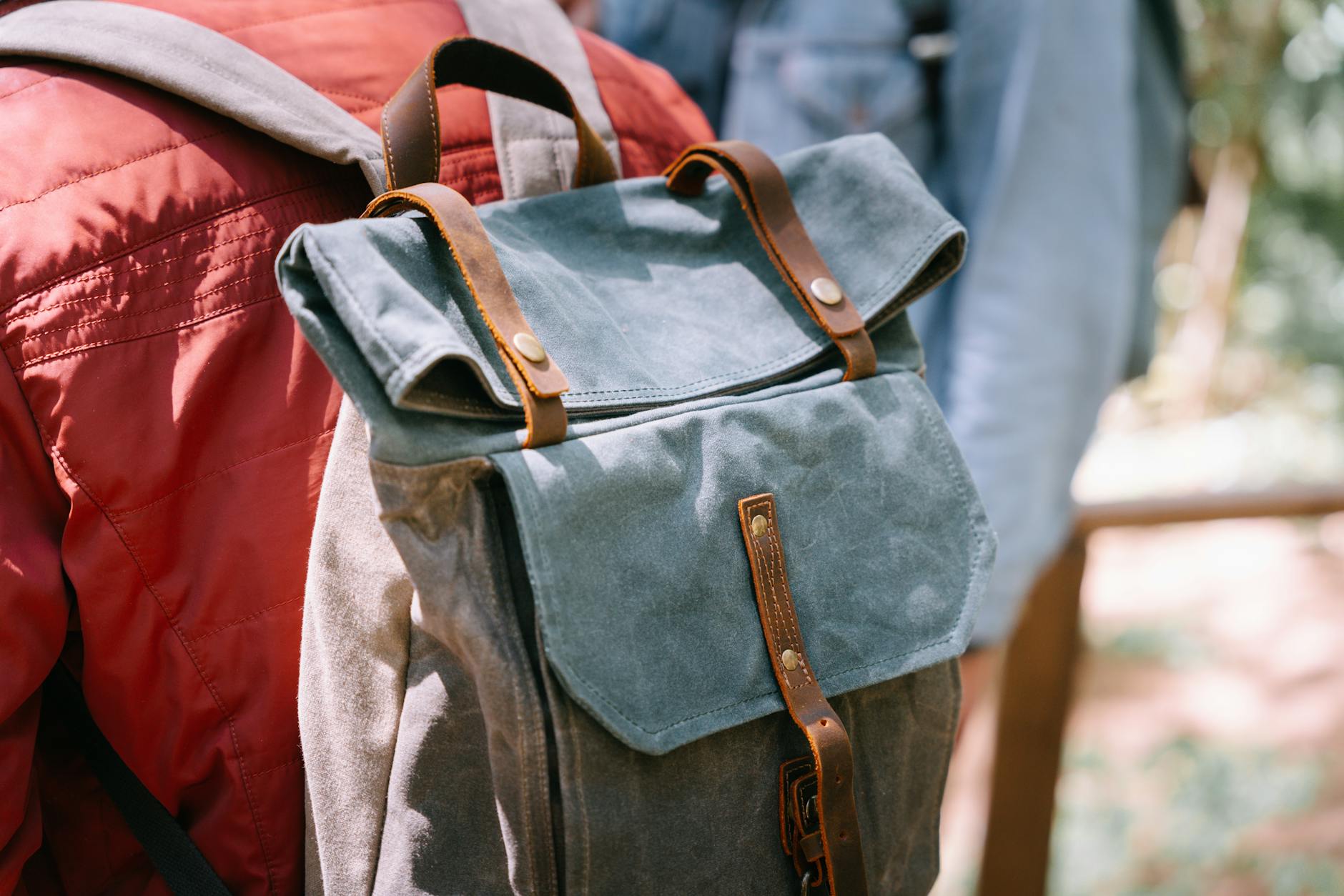
The materials determine longevity far more than the brand name printed on the pack. Ballistic nylon and quality canvas last years of daily use; cheap polyester degrades within months and fails where stress concentrates (straps, zipper corners). Examine the fabric weight (measured in denier), the stitching pattern, and how the manufacturer reinforces high-stress points. A 1000-denier material is lightweight and packable; 1680-denier is heavier but significantly more durable. Premium packs use bar-tacking—dense cross-stitching in an X or box pattern—at stress points like strap attachments and zipper tabs.
The catch is that durable materials increase weight and cost. A 2000-denier ballistic nylon pack lasts a decade but weighs twice as much as a lightweight 500-denier option. For someone commuting five days a week, the extra durability justifies the weight; for occasional weekend use, it’s overkill. Also examine the zipper quality—YKK zippers cost more but don’t fail mid-hike, while cheaper zippers jam and break. Waterproofing is essential if you live in a wet climate, but genuine waterproof treatment adds cost and stiffness, while water-resistant coatings are cheaper and lighter but won’t protect against sustained rain. If you live somewhere dry, water-resistance is sufficient; if you’re caught in downpours regularly, spend for true waterproofing.
How Your Body Shape Affects Pack Fit
A backpack that fits poorly causes back pain, shoulder strain, and neck tension even if the weight capacity is adequate. The critical measurements are torso length and hip width. Most packs offer adjustable shoulder straps and hip belts to accommodate different frames, but the base dimensions—where the pack sits on your back—are fixed. Someone with a short torso needs a pack with a 16- to 18-inch back panel; someone with a long torso needs 20-plus inches. Wearing an oversized pack shifts the weight center higher on your shoulders, causing them to round forward.
The hip belt matters more than many people realize. A properly fitted hip belt transfers 70 percent of the pack weight to your hips, where your legs can support it easily; poor hip fit leaves all weight on your shoulders and spine. Try packs on before buying whenever possible, and position the hip belt so it sits directly above your hip bones, not on your ribs or lower back. Many retailers allow returns for fit issues, so test a pack around your home for a few days if you can’t try it in person. If you have a narrow frame, many smaller packs sit too wide and shift sideways as you move; if you have a broad back, ensure the pack width accommodates your shoulder width without the straps cutting into your armpits.
Compartments and Organization Systems
Modern packs offer organizational features ranging from simple single chambers to complex modular systems. A laptop sleeves saves time and protects expensive equipment; dedicated shoe pockets keep dirty footwear away from clothes; hydration reservoir pockets with internal routing let you drink without removing the pack. However, more compartments don’t automatically improve organization—they can fragment your items into too many small sections, making it harder to locate essentials. A commuter needs fewer compartments than someone with camera gear, and an ultralight backpacker benefits from a single large compartment where everything packs efficiently.
Consider the tradeoff between quick access and security. A pack with multiple external pockets offers convenient grab-and-go access to phones, keys, and snacks, but items stuffed in external pockets are vulnerable to theft or falling out during active use. A pack with minimal external storage forces you to open the main compartment, which is slower but prevents loss. TSA-friendly designs that open flat or have pass-through compartments for security screening matter if you fly frequently; if you rarely travel, this feature is unnecessary weight.
Weather Exposure and Environmental Protection
Waterproofing isn’t universal across backpack designs, and many people buy packs that fail their first heavy rain. Full waterproofing seals all seams, uses coated materials, and employs waterproof zippers—this costs significantly more and adds stiffness. Most affordable packs offer water-resistant coatings that shed light rain but leak under sustained downpour or submersion. If you commute in a climate with frequent hard rain, budget for genuine waterproofing or plan to use a rain cover.
The warning: rain covers add weight and volume to your pack, so factoring that into your base size prevents buying a pack that won’t accommodate the cover when you need it most. Weather also affects material selection. Leather and waxed canvas develop character over time but require maintenance and break-in; synthetic materials are lower-maintenance but less aesthetically interesting. UV exposure degrades many synthetics, so a pack left in sunlight regularly—hanging in a car or outdoors—will fade and deteriorate faster than one stored indoors.

Price, Durability, and Cost Per Year
Investing in a quality backpack spreads cost over years of use. A $300 pack used daily for five years costs $0.16 per day; a $60 pack lasting six months costs $0.33 per day. Premium brands command higher prices, but name recognition doesn’t guarantee value—mid-tier manufacturers often deliver better quality per dollar than luxury brands where you’re partially paying for heritage.
Research reviews specific to your use case; a pack praised for hiking may fail as a commuter bag due to organization design or strap placement. Expect to spend $80 to $150 for a solid everyday commuter pack, $200 to $400 for specialized travel or outdoor gear, and $100 to $200 for a daily casual pack. The least expensive option—under $40—is rarely worth the savings after it tears or fails. Many people buy multiple packs for different purposes instead of seeking one universal solution, which actually saves money long-term if you’re deliberate about use cases.
Resale and Transition Options
Quality backpacks hold resale value if you decide to upgrade. Established brands like Peak Design, Osprey, and heritage manufacturers retain 40 to 60 percent of retail value even after years of use, while cheaper brands drop to 10 to 20 percent. If you’re uncertain about a purchase, choosing a reputable brand provides an exit ramp—you can recover some cost if the pack doesn’t meet your needs.
This flexibility is especially valuable if your lifestyle changes (new job, moving to a different climate, starting a family) and your pack needs shift accordingly. The market for secondhand packs is robust, so a pack you’ve outgrown or no longer need finds a buyer. This creates an option value: you can experiment with different styles and materials without being locked into a single choice permanently.
Conclusion
Picking the right backpack requires defining your actual use, understanding materials and construction quality, and ensuring fit for your body shape. These fundamentals matter far more than brand prestige or feature quantity. Spend time identifying what you’ll actually carry and how often, then prioritize durability and fit over aesthetics or unnecessary features.
A well-chosen pack serves you reliably for years, while a poorly selected one—however attractive—becomes a source of frustration and wasted money. Your next step is to list your daily items and activities, then research packs specifically designed for that purpose. Try them on if possible, or purchase from retailers with generous return policies. The small time investment upfront prevents costly mistakes and ensures you own a pack that genuinely fits your life.
Frequently Asked Questions
How much should I spend on a backpack?
Budget $80 to $150 for an everyday commuter pack, $200 to $400 for specialized travel or outdoor use. Cost per day of use matters more than absolute price—a $300 pack lasting five years costs less daily than a $50 pack lasting six months.
Can one backpack work for all purposes?
Generally no. A travel pack designed for multi-week trips carries too much capacity for commuting; a commuter pack lacks the durability and weight distribution for serious hiking. Most people benefit from two packs: a daily commuter or casual pack, and a specialized bag for travel or outdoor activities.
What makes a backpack waterproof versus water-resistant?
Waterproof means water won’t penetrate under sustained exposure (submersion, heavy rain). This requires sealed seams, coated fabrics, and waterproof zippers. Water-resistant sheds light rain but fails under heavy downpour. True waterproofing costs significantly more and adds weight and stiffness.
Should I prioritize lightweight design or durability?
The answer depends on your use. A hiker who carries the pack eight hours weekly should prioritize lightweight materials; someone commuting thirty minutes daily with the pack resting against their back benefits more from durable, heavier materials that last years. Understand your actual distance and frequency before choosing.
How do I know if a pack fits correctly?
The hip belt should sit directly on your hip bones, not ribs or lower back. Shoulder straps should feel snug without cutting into armpits. The pack should sit against your back without gaps. Wear it loaded with weight—unloaded testing misses fit issues.
Is brand reputation worth the premium price?
Not always. Established brands offer better resale value, customer service, and design refinement, but mid-tier manufacturers often deliver equal quality at 30 to 40 percent lower cost. Research reviews specific to your use case rather than choosing based on brand name alone.