

Every man needs at least three essential backpacks in his rotation: a professional daypack for work and travel, a versatile weekend bag that bridges casual and business settings, and a durable everyday backpack for casual use. These three styles cover the majority of situations you’ll encounter throughout the week, whether you’re commuting to the office, heading to the gym, or taking a weekend trip. The mistake most men make is treating backpacks as interchangeable—buying one mid-range bag and expecting it to work for everything from a business presentation to a hiking trip.
Instead, investing in a few quality backpacks designed for specific purposes means you’ll actually use them properly and maintain them longer. Consider a professional like Mark, a consultant who travels twice monthly. He keeps a slim 20-liter laptop backpack at his desk for city commutes and client visits, a 30-liter weekender at home for travel, and a rugged 25-liter pack in his car for weekend adventures. Each bag serves a distinct purpose, and he doesn’t have to compromise on either functionality or appearance—his work bag looks sharp in an office, while his weekend pack handles real outdoor conditions without looking out of place.
Table of Contents
- What Makes a Backpack Essential for Modern Men?
- The Professional Daypack—Where Most Men Start Wrong
- The Weekender Bag That Actually Works for Both Casual and Travel
- The Everyday Casual Backpack—Function Versus Style
- Weather Protection and Material Degradation—Hidden Costs of Cheap Materials
- The Crossbody Day Sling—A Valuable Specialty Addition
- Building Your Backpack Wardrobe Over Time
- Conclusion
- Frequently Asked Questions
What Makes a Backpack Essential for Modern Men?
A truly essential backpack combines durability, organization, and aesthetic versatility. The materials matter more than most people realize—ballistic nylon and quality canvas last years longer than cheap polyester, and leather accents or straps actually improve grip and handling over time. More importantly, the bag needs compartments that actually organize your items rather than creating one large void where everything tangles together. A proper laptop sleeve, separate water bottle pocket, and internal organization make the difference between grabbing your bag confidently and frantically searching for your keys. The aesthetic factor shouldn’t be overlooked.
A good backpack should feel like a natural extension of your wardrobe across multiple contexts. This is where men often fail—they buy a bright outdoor pack that looks ridiculous with business casual, or a sleek minimalist bag that can’t hold the essentials for a workday. The best essential backpacks manage to look appropriate whether you’re heading to a meeting or grabbing coffee on a Saturday. Materials like muted earth-tone canvas, charcoal gray, or navy blue work across more outfits than you’d expect. A bag like the Bellroy Classic Plus, for example, works equally well over a blazer at a conference or thrown in a car for a weekend trip.

The Professional Daypack—Where Most Men Start Wrong
The professional daypack is where most men make their first critical error: buying something too small or too flashy. A 20-25 liter capacity is the sweet spot—large enough to hold a laptop, documents, a change of clothes, and personal items, but not so large that it looks like you‘re prepared for a three-day expedition when you’re just going to the office. One major limitation with many “professional” backpacks is that they sacrifice functionality for looks. Some bags look fantastic but have zero weather protection, meaning a sudden rainstorm destroys your laptop. Others are built like tanks but look too casual or outdoor-focused for professional environments.
The key warning here is that cheaper professional backpacks often have laptop sleeves that don’t offer adequate padding or protection. If your bag costs $60, the padding is likely thin foam that won’t absorb impact if you drop the bag or set it down hard. A professional pack should have at least 10mm of protective padding around the laptop compartment. Additionally, the straps on budget backpacks tend to dig into your shoulders after thirty minutes of wear—quality professional packs have contoured, padded straps that distribute weight properly. Spending an extra $50-100 on a better pack eliminates chronic shoulder and back discomfort that a cheap bag will cause after months of daily use.
The Weekender Bag That Actually Works for Both Casual and Travel
A true weekender backpack should hold 30-40 liters and accommodate a 2-3 day trip without feeling oversized for a casual day out. This is where many men get confused between a weekend backpack and a full travel backpack—a weekend bag is smaller, more refined, and useful for actual weekends, while a full travel pack is designed for expeditions and looks too utilitarian for everyday use. The weekender needs to work for throwing some clothes, toiletries, and a pair of shoes together, but also feel appropriate whether you’re heading to a friend’s place or catching a flight. One specific advantage of a dedicated weekender is that it teaches you to pack efficiently.
A 35-liter bag forces you to choose your items carefully, which is genuinely useful for frequent travelers—it conditions you to pack smarter rather than just grabbing everything. Compare this to a massive 60-liter travel backpack that lets you throw in anything you want; after using a larger pack for a few trips, you’ll have no idea what you actually need versus what you’re just dragging along. A quality weekender in something like vintage waxed canvas or ballistic nylon also develops character over time—scuffs and marks actually look better on these materials as they age, rather than making the bag look worn out. A canvas weekender at three years looks distinguished; a cheap polyester one looks beat up.
The Everyday Casual Backpack—Function Versus Style
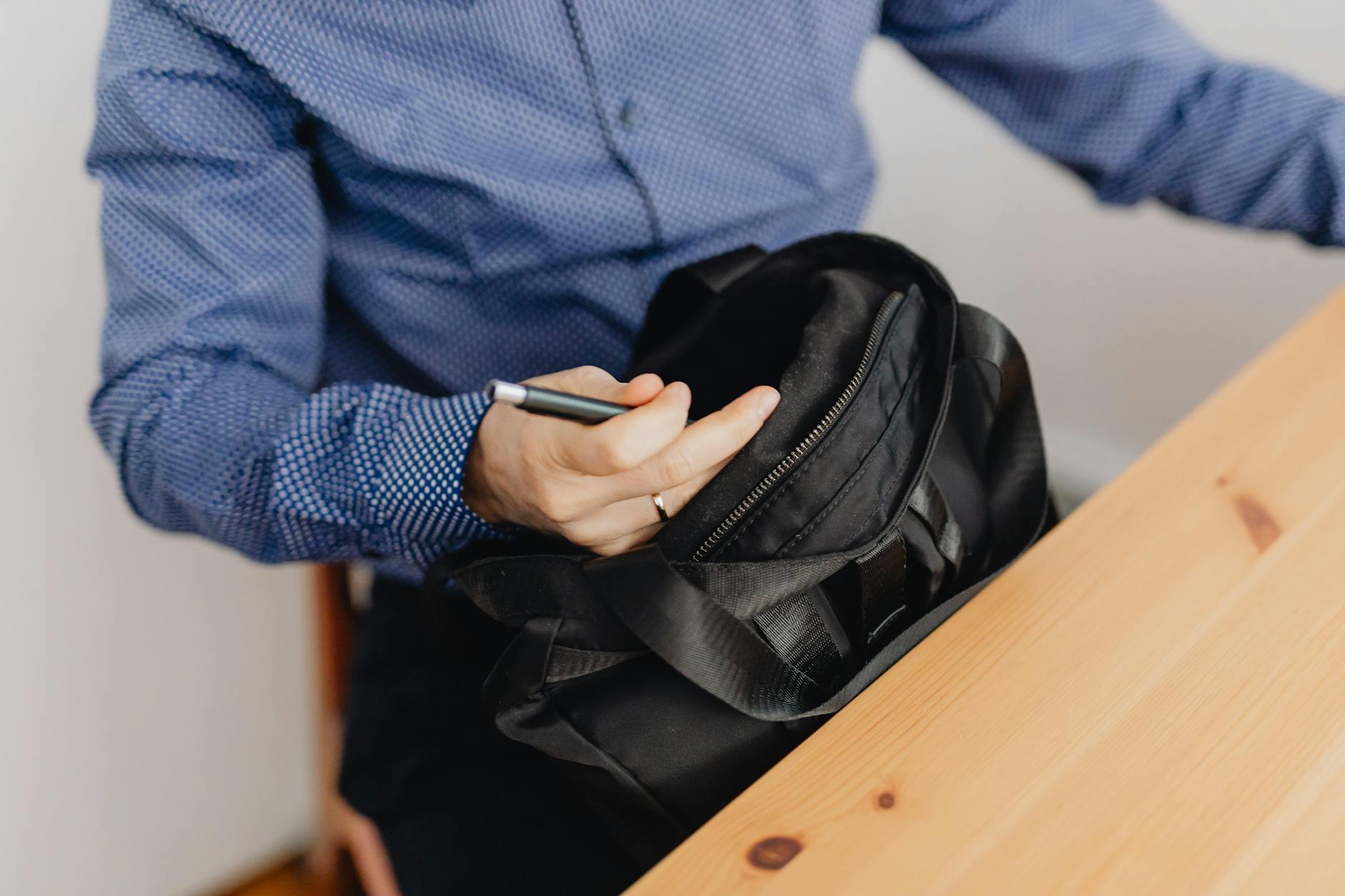
The everyday casual pack is where men often try to save money, buying whatever is cheapest at a big-box retailer, only to replace it within a year. This pack needs to be durable enough for daily abuse—slung over a shoulder while getting on the bus, dropped on gym floors, crammed into car trunks—while still looking intentional rather than accidental. A 20-25 liter capacity works best for daily use; anything larger and you’ll inevitably fill it with things you don’t actually need. The major tradeoff in casual backpacks is between weight and durability.
Ultra-lightweight bags feel great when they’re empty, but they often sacrifice durability and end up wearing through within a year of regular use. A slightly heavier bag made from quality materials will actually be more comfortable over time because it won’t shift awkwardly on your shoulders as materials stretch and weaken. Consider comparing a 12-ounce ultralight nylon pack to a 20-ounce canvas pack: the canvas bag feels heavier when empty, but once you load it up, the weight distributes more evenly and the bag doesn’t shift as much. After six months, the nylon bag has likely started developing small tears and the straps are fraying, while the canvas pack is just beginning to show character. Real durability costs a few dollars more, but saves you the headache of replacing your bag every eighteen months.
Weather Protection and Material Degradation—Hidden Costs of Cheap Materials
Most men don’t think about water resistance until they’re standing in the rain with a wet laptop. Budget backpacks often use untreated polyester that water soaks through in minutes, while quality packs use either waxed canvas, sealed seams, or treated materials that shed water effectively. The critical warning here is that water-resistant doesn’t mean waterproof—even good bags will eventually allow water through if you’re submerged, but they’ll keep casual rain and spills out. Cheap bags fail at even casual exposure.
Another limitation of budget materials is UV degradation. An inexpensive nylon bag exposed to sun for a year or two will lose color and the material becomes brittle. Canvas and heavier nylon materials resist this much better, which is why a good backpack actually looks better after some weathering—the canvas darkens evenly, the leather accents develop patina—while a cheap bag just looks faded and tired. This is why buying a durable bag actually saves money; your third backpack over ten years costs less per year than replacing cheap bags every 18-24 months.

The Crossbody Day Sling—A Valuable Specialty Addition
Beyond the core three, many men benefit from having a small sling bag or crossbody pack (8-12 liters) for situations where a full backpack is overkill but a pocket won’t cut it. This is perfect for running errands, casual outings, or when you just need your phone, keys, wallet, and maybe a light jacket.
A specific example: if you’re grabbing lunch near your office, a small sling bag lets you carry a light layer without the bulk of your full daypack, and it looks more appropriate in a casual setting than bringing your work bag to a restaurant. The key here is choosing one that doesn’t look like outdoor gear. A small canvas or waxed cotton sling in a neutral color works as a casual alternative to carrying a messenger bag while remaining functional and durable.
Building Your Backpack Wardrobe Over Time
Rather than buying all three essential backpacks at once, most men benefit from starting with one quality professional pack, then adding the casual everyday pack within a few months, and finally investing in a weekender when travel demands arise. This approach lets you understand what features matter to you—some men discover they need more laptop protection, others realize they need weather resistance more than anything else. By spacing purchases out, you make better decisions based on actual usage rather than guessing what you need.
Looking forward, the backpack market continues to improve with better materials, more thoughtful design, and greater recognition that men want bags that work across multiple contexts. Brands are moving away from the either/or mentality (either dressy or functional) toward packs that genuinely work for both. Investing in quality now means your bags will last through several years of genuine use and style changes.
Conclusion
Every man needs a professional daypack for work and commuting, a casual everyday backpack for daily life, and a weekender for trips—these three bags cover nearly every real-world scenario you’ll encounter. The difference between a useful backpack and a frustrating one comes down to thoughtful materials, proper weight distribution through padded straps, and compartmentalization that actually organizes your stuff rather than just holding it.
Most men save money in the short term by buying cheap bags, then end up replacing them constantly; a mid-to-better quality backpack costs more upfront but genuinely lasts years and remains functional and appropriate throughout your lifestyle changes. Start with a solid professional pack if work is your priority, or a durable casual pack if you need something for everyday life. Once you use a well-designed backpack for a few weeks, you’ll understand what quality construction actually means, and you’ll likely never go back to grabbing whatever is cheapest.
Frequently Asked Questions
How much should I spend on a quality backpack?
A solid professional daypack runs $80-150, a weekender typically costs $100-200, and a casual everyday pack ranges $60-120. These aren’t luxury prices, but they represent the point where materials and construction become genuinely durable rather than disposable.
What’s the actual lifespan of a quality backpack?
A well-made backpack used daily should last 5-10 years with proper care. Canvas and ballistic nylon actually improve with age, while the stitching on quality bags rarely fails unless severely abused. Budget bags typically fail within 1-2 years of regular use.
Can one backpack really work for both professional and casual use?
Yes, but you’ll always be compromising slightly. A versatile bag won’t have the polish of a true professional pack or the ruggedness of a true outdoor bag. If your lifestyle genuinely calls for both contexts equally, you benefit from having two bags.
Should I prioritize weather resistance?
If you live in a wet climate or travel frequently, absolutely. If you mostly stay in dry climates and keep your bag in a car or office most of the time, it’s less critical. But weather resistance is one advantage that doesn’t add significant cost, so it’s worth getting.
What about “one bag” minimalist setups—do they actually work?
For some people yes, for most people no. A true one-bag setup requires discipline and works best for people who travel constantly or live in mild climates. Most men benefit from having the right tool for the job rather than forcing one bag to do everything.
How do I know if a backpack is actually waterproof?
Check for sealed seams, treated fabric descriptions, and YKK zippers (generally more reliable than cheap alternatives). If a bag costs under $50, it’s almost certainly not truly water-resistant. Test it yourself by spraying water on a sample or seam before committing.