

The best backpacks for men today offer a combination of durability, smart organization, and refined aesthetics that transcend casual use. Whether you’re commuting to the office, traveling internationally, or simply need a reliable everyday carry solution, the market now includes several standout options that prioritize both function and form. The Osprey Nebula, for instance, has become the gold standard for general-purpose use because it handles school, the gym, air travel, and weekend trips with equal competence—a versatility that matters when one bag needs to serve multiple roles.
What separates the truly excellent backpacks from the merely functional is attention to detail in materials, ergonomics, and compartmentalization. Modern premium backpacks use advanced fabrics like Cordura ballistic nylon, thoughtfully designed carrying systems, and organizational features that eliminate the need to search for your phone or keys. The investment in a quality backpack pays dividends through years of daily use, whether you’re moving through a busy airport or settling into a coffee shop to work.
Table of Contents
- What Makes a Quality Backpack Stand Out for Men?
- Travel-Specific Backpacks and Their Design Advantages
- Work and Commute Solutions for Professional Men
- Budget Considerations and Value Propositions
- Materials, Weather Resistance, and Maintenance
- The Osprey Advantage in Proven Performance
- Future Trends and the Evolving Backpack Market
- Conclusion
What Makes a Quality Backpack Stand Out for Men?
A superior men‘s backpack distinguishes itself through several critical factors: material durability, weight distribution, and purposeful design. Cordura fabrics, which are significantly stronger than standard nylon, resist tears and abrasions that would compromise lesser packs. Look at the GR2 26L, a backpack with such a devoted following that owners discuss it with the fervor typically reserved for high-end watches.
Its Cordura shell, wide chunky straps, and American manufacturing at a $345 price point demonstrate that durability isn’t negotiable for men who expect their gear to last. Organizational design separates daily irritation from daily utility. A backpack should feature dedicated compartments for laptops, accessible pockets for frequently used items, and ventilation systems that prevent sweat buildup—not cosmetic features, but practical necessities. The Aer City Pack Pro 2, for example, incorporates a 24-liter capacity with a padded sleeve that accommodates 16-inch laptops, while the Modern Dayfarer Backpack V2 takes practicality further by including a ventilated shoe compartment, essential for men who transition between the gym and the office.

Travel-Specific Backpacks and Their Design Advantages
Travel demands a different set of priorities than daily commuting. A travel backpack must compress efficiently for airport security, organize items for easy access during journeys, and maintain structural integrity after repeated packing cycles. The Osprey Farpoint 40L emerged as the top choice for carry-on travelers precisely because it balances these requirements without sacrificing usability.
For digital nomads and longer trips, the Peak Design Travel Backpack with its 45-liter capacity offers the space needed for extended travel without transitioning to a full suitcase. Aer’s Travel Pack 4 brings a different philosophy to the category—refined style combined with smart organization—making it suitable for professionals who refuse to sacrifice appearance for function. The limitation to consider: larger travel packs can make it tempting to overpack, which defeats the purpose of carry-on efficiency and transforms a convenience into a burden.
Work and Commute Solutions for Professional Men
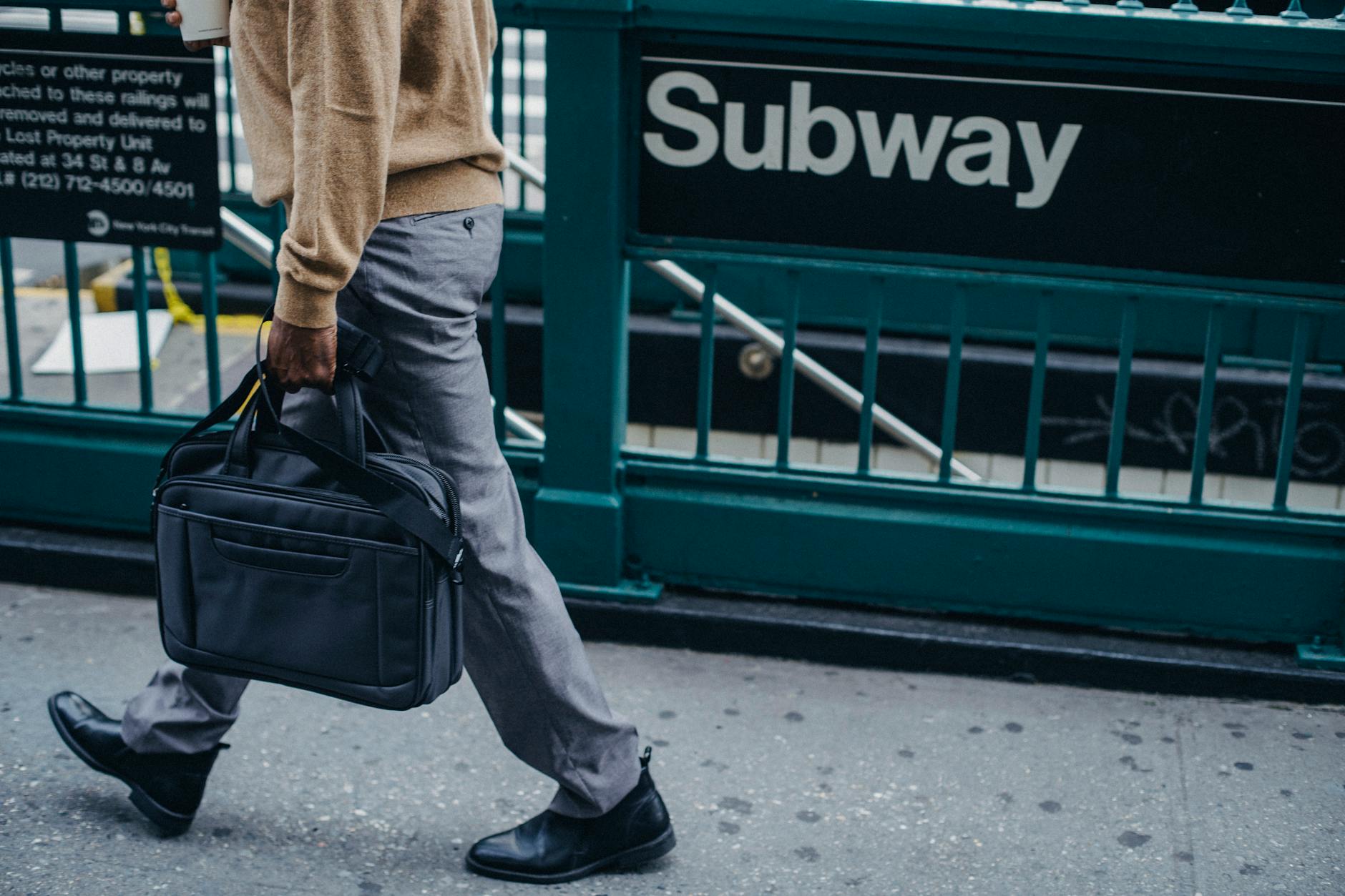
The commute backpack serves a specific purpose that differs from travel or outdoor recreation. It needs to hold a laptop securely, keep documents organized, and survive daily wear without looking like adventure gear. The Aer City Pack Pro 2, built from 1680D Cordura ballistic nylon with capacity for 16-inch laptops, represents the contemporary standard for this category.
The Modern Dayfarer Backpack V2 approaches the work commute with equal seriousness, offering 24 liters of organized space with a padded laptop sleeve and that ventilated shoe compartment that saves professional embarrassment when gym clothes are packed alongside work attire. These bags succeed because they acknowledge that men want their backpacks to complement their appearance at the office or client meeting, not announce that they’re prepared to summit mountains after work. The tradeoff: specialized work backpacks typically offer less versatility than general-purpose options, limiting their utility beyond the intended use case.
Budget Considerations and Value Propositions
Not every excellent backpack requires premium pricing. The Volher Travel pack delivers a 30-liter capacity with sufficient padding at a notably lower price point, making it an intelligent choice for travelers who value functionality over brand prestige. This option proves that durability and thoughtful design don’t exclusively belong to $300+ price brackets.
However, budget considerations should account for longevity and intended use. A $100 backpack used daily for five years costs roughly four cents per day; a $300 backpack with twice the lifespan costs approximately 16 cents per day. For men who prioritize one reliable bag over a rotation of secondary options, the premium materials and construction of higher-priced packs often justify the investment. The comparison reveals a practical principle: the best value isn’t the lowest price, but rather the lowest cost-per-day of reliable use.
Materials, Weather Resistance, and Maintenance
Premium backpack materials like Cordura don’t just resist wear—they actively improve with age. Scuffs and marks develop character rather than revealing damage, and proper care extends their usable life substantially. However, material superiority comes with maintenance responsibilities. Ballistic nylon requires occasional cleaning, and hardware like zippers demands attention to prevent deterioration.
Weather resistance presents another consideration often overlooked by backpack buyers. While Cordura and similar materials resist water splashes, few backpacks are truly waterproof. Men relying on backpacks in rainy climates should anticipate either upgrading to specialized weather-sealed models or accepting the risk that sustained downpour will eventually reach their contents. The middle ground—a quality pack plus a rain cover—offers practical protection without the cost and rigidity of fully sealed designs.

The Osprey Advantage in Proven Performance
Osprey’s reputation in the backpack market stems from uncompromising engineering and genuine warranty support. The Osprey Nebula, positioned as the best general-use option, earned this status through actual performance across diverse applications rather than marketing positioning.
Users report that the pack distributes weight intuitively, compartments remain organized without excessive internal structure, and the brand handles repairs with genuine interest in customer satisfaction. The Osprey Farpoint 40L demonstrates similar quality applied specifically to travel, offering the carry-on advantage while maintaining the same attention to detail that characterizes the brand’s other offerings. This consistency—whether a pack costs $150 or $300—creates a reliable signal when decision-making.
Future Trends and the Evolving Backpack Market
The backpack market continues evolving toward hybrid functionality, where bags serve multiple purposes without feeling compromised in any single role. Modular components, reversible compartments, and materials that bridge the gap between tech-forward and traditional aesthetics represent the direction premium manufacturers are pursuing.
For men evaluating backpack purchases today, this evolution means existing recommendations will remain relevant for years while new innovations offer incremental improvements rather than revolutionary changes. The fundamentals—durable materials, thoughtful organization, proper weight distribution—remain constant. Current options like the Osprey Nebula, Aer packs, and GR2 designs will continue performing admirably years into the future.
Conclusion
The best backpack for you depends fundamentally on your primary use case, budget, and standards for design. If general-purpose versatility matters most, the Osprey Nebula delivers proven reliability. For dedicated travelers, the Osprey Farpoint 40L or Peak Design Travel Backpack offer the specific features that make extended journeys manageable.
Work-focused men should consider either the Aer City Pack Pro 2 or Modern Dayfarer Backpack V2, while those prioritizing durability above all else will find the GR2’s American manufacturing and cult following compelling despite its premium price. Moving forward, identify whether your backpack needs to excel at one primary function or provide versatility across multiple scenarios. Assess the materials and construction quality relative to your intended use, and recognize that a well-chosen backpack becomes invisible through daily life—you stop noticing it and simply appreciate how reliably it works.