
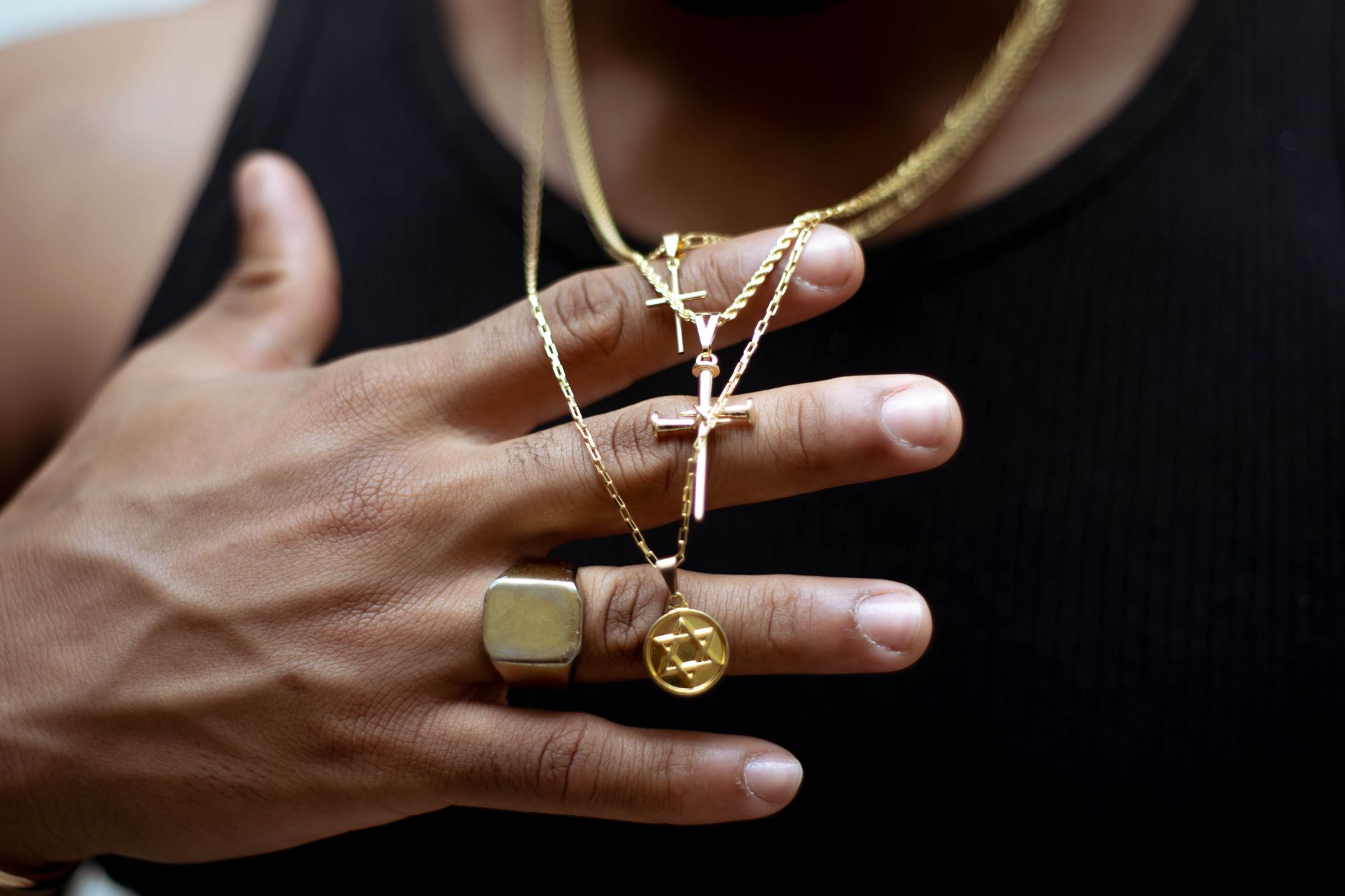
Pick a necklace gift by fixing your upper spending limit first, then choosing the metal, length, and design inside it. Match the scale and length to what the recipient already wears, not to what looks striking in the case.
A pendant necklace — a chain with one hanging charm or stone — works across budgets because changes in metal and weight shift cost. Precious metals hold up to daily wear when you choose the right alloy and thickness. A clear plan keeps you from paying for details the recipient will not notice or use.
Table of Contents
- What should you decide before you shop?
- Which metal fits your budget?
- How do length and design change the fit?
- How can you check quality before you buy?
What should you decide before you shop?
Start with daily habits. Someone who works with children, uniforms, or machinery needs a short, smooth chain that stays close and snags less. Someone who wears open necklines often can carry a longer chain or larger pendant without crowding clothes. Note metal color and skin reaction.
If her earrings or rings are mostly yellow-toned, yellow gold will mix more easily. If earrings leave green marks or itching, choose nickel-free sterling silver, higher-karat gold, or platinum and check the clasp metal too. Set use, care, and exchange limits in advance. A gift for daily wear should survive water, sweat, and tugs, while an occasional-wear piece can be finer and lighter. Confirm that unworn returns or exchanges are allowed before you pay.
Which metal fits your budget?
Sterling silver keeps cost lower and suits small pendants, slim chains, and simple lockets. It darkens with air and sweat, so plan on gentle polishing and dry storage. Thicker chains and closed settings resist bending and show less wear. Gold vermeil — sterling silver coated with a thick layer of gold — gives a gold color at a middle cost.
The coating wears thin with rubbing, perfume, and water, so save it for occasional wear or pendants that touch skin less than chains do. Check that the coating is described as thick and over sterling silver, not over brass. Solid gold costs more because the metal runs through the whole piece. Karat means the share of pure gold, so 14 karat has more pure gold than 10 karat and often resists scratching better for daily chains. Platinum costs the most and feels dense, and it suits small diamonds or daily bands where strength matters.
How do length and design change the fit?
Length controls where the eye rests. A shorter chain frames the throat and suits higher necklines. A medium chain leaves room for a small pendant and suits work shirts.
A longer chain suits tall frames and layered looks but catches more often. Use this quick comparison before you choose: Keep the pendant in proportion to the chain. A heavy stone on a fine chain will break links and flip forward. A plain chain can be slightly thicker because it takes the full strain alone.
- shorter fit: sits near the collarbone, stays put, suits small pendants
- medium fit: rests on the upper chest, suits most necklines and lockets
- longer fit: falls lower, suits layering, needs a stronger clasp
How can you check quality before you buy?
Look for a metal stamp, called a hallmark, inside the clasp or near the pendant bail. Common marks include 925 for sterling silver and 10K, 14K, or 18K for solid gold. Missing, blurry, or mismatched marks warrant questions before purchase. Test movement and closure in person or on arrival.
The clasp should snap shut with finger pressure and stay shut with a light tug. Links should lie flat, the pendant should face forward, and sharp edges should not catch cloth. Ask about care, repair, and returns in plain terms. Find out whether polishing, restringing, or clasp repair is included and how long it takes. Keep the receipt, appraisal if supplied, and care card with the gift box.