
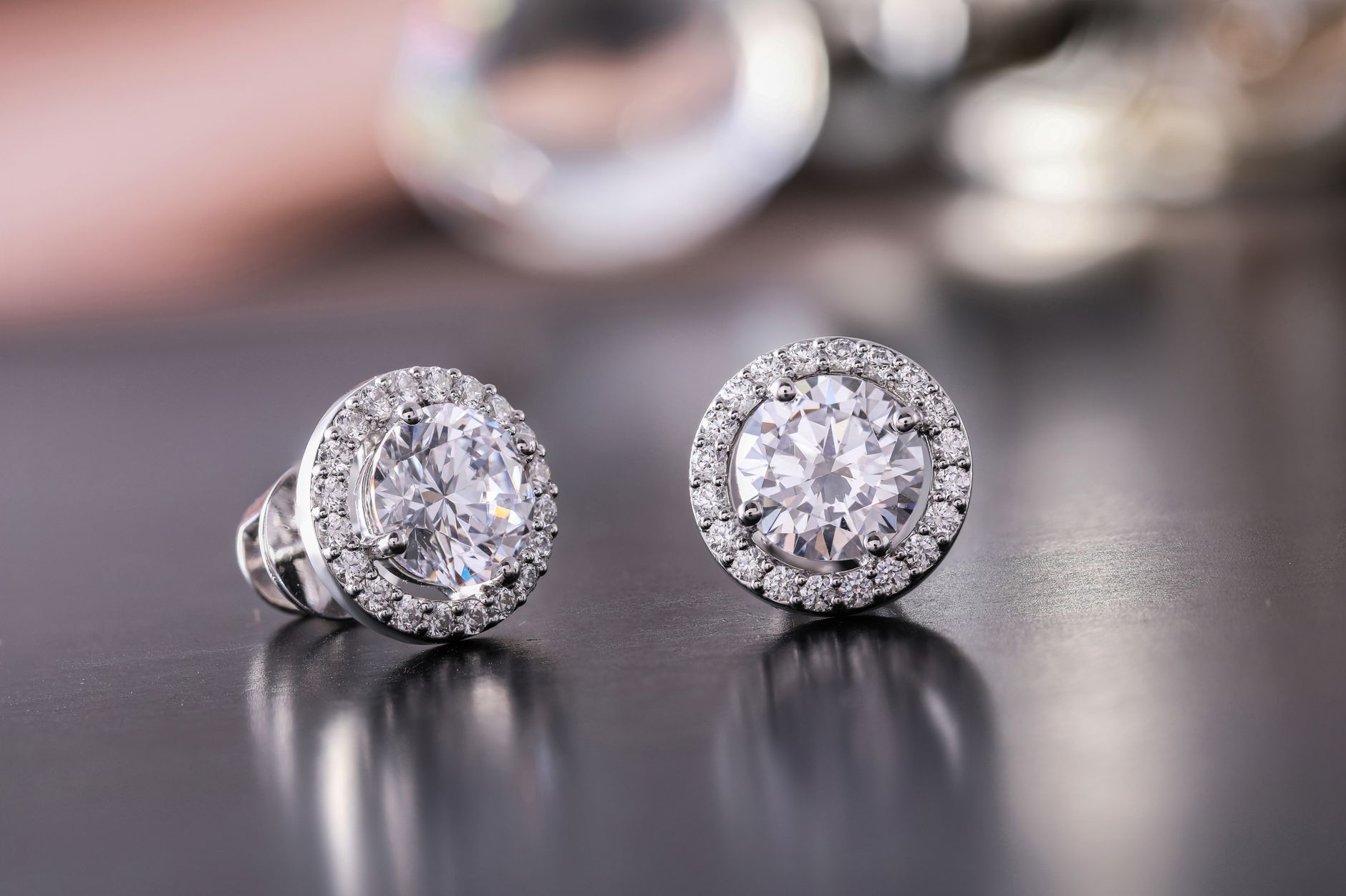
For solid-metal earrings, remove grime with warm water, mild dish soap, and a soft brush, then disinfect only the posts and backs in 70% isopropyl alcohol or 3% hydrogen peroxide for 5-10 minutes, rinse, and dry completely. For healing piercings and delicate gems, skip alcohol and peroxide and use sterile saline for skin and a gentle wipe for jewelry.
Earrings collect dead skin, oil, sweat, and bacteria during daily wear. Board-certified dermatologist Shari Sperling recommends removing and cleaning earrings at least once weekly to prevent odor, buildup, and infection. The American Academy of Dermatology also advises washing hands before touching a newly pierced area, as described in the Academy's piercing-care guidance.
Table of Contents
- The safe routine for solid metal
- How should you treat a healing piercing?
- Which earrings should never be soaked?
- When should you stop home care and seek help?
The safe routine for solid metal
Start with clean hands and a clean work area. Remove the earrings and backs. Mix warm water with a drop of mild dish soap.
Jewelers recommend this two-step method because soap lifts oil and skin film while the short soak targets bacteria. CDC disinfection guidance supports the same timing, recommending 5-10 minutes with 3% hydrogen peroxide or 70% alcohol after cleaning, as detailed in the CDC healthcare-equipment disinfection guidance. Let hollow drops, threaded backs, and earring grooves air-dry fully before storage.
- Wash hands well before handling earrings or piercings.
- Brush fronts, posts, grooves, and backs with warm soapy water and a soft brush.
- Disinfect posts and backs for 5-10 minutes in 70% isopropyl alcohol or 3% hydrogen peroxide.
- Rinse under clean water and pat dry with a lint-free cloth.
How should you treat a healing piercing?
Use only sterile saline wound wash with 0.09% sodium chloride on healing ear tissue. This concentration means salt and purified water with no added fragrance, alcohol, or antiseptic. Spray it gently as directed and pat dry with clean gauze. Do not move, twist, or rotate the jewelry.
Rotation drags crust and bacteria through the wound channel and causes irritation. Leave the stud or hoop settled so the channel can line with new skin. Alcohol and hydrogen peroxide are too harsh for healing tissue. Aftercare guides advise avoiding them on new piercings because they dry tissue and can delay healing. Stay with saline or a cleanser your piercer specifically recommends.
Which earrings should never be soaked?
Keep pearls, opals, turquoise, coral, glued stones, and plated finishes out of alcohol, peroxide, bleach, and ultrasonic cleaners. These materials are porous, coated, or adhesive-set, so soaking can dull luster, loosen glue, fade color, or lift plating. A pearl stud, opal drop, or gold-plated hoop needs surface care, not disinfection. Wipe the metal parts lightly instead of soaking the whole earring. Use a soft cloth barely dampened with soapy water.
Clean around, not over, the delicate stone or finish. As jewelers reporting Mikimoto and GIA guidance explain, owners should wipe rather than soak these pieces and keep them away from hand sanitizers, as noted in this Clodius jewelers' jewelry-cleaning guide. Store delicate pairs separately after they are fully dry. Keep them away from perfume, hairspray, and sanitizer trays. For valuable pearl or opal earrings, ask a jeweler about professional restringing checks and gentle cleaning.
When should you stop home care and seek help?
Mild crusting can occur during healing, but spreading soreness is different. Watch for skin that turns sore, red, puffy, or tender to touch. Yellowish discharge, growing pain, heat, or swelling also signal possible infection.
Do not remove a new stud to force cleaning if swelling traps it. Avoid applying alcohol, peroxide, ointments, or heavy oils to the wound. Seek prompt care from a board-certified dermatologist when these signs appear.
- Redness that spreads beyond the piercing hole
- Puffiness, throbbing pain, warmth, or feverish feeling
- Yellowish or greenish oozing, crust with odor, or bleeding that recurs
- Earring back sinking into swollen skin or inability to move the post gently